As professionals in aesthetics, we’ve long known that skin is more than surface deep. But what if the true power to transform skin lies not just in what we apply, but in how we communicate with the skin’s genetic code?
Enter epigenetics – a revolutionary field reshaping how we understand skincare, aging, and long-term results. This science goes beyond DNA, exploring how our environment, lifestyle, and treatment room recommendations influence the way genes behave. For skincare professionals, it’s an opportunity to shift from symptom treatment to reprogramming skin behavior at a biological level to create visible, lasting results.

August 2025 L+A Report
Science of Regenerative Esthetic Treatments for Skin Laxity
Regenerative esthetics is rapidly redefining the way skincare professionals approach age-related concerns—particularly skin laxity. As a specialized branch of regenerative medicine, this evolving discipline prioritizes the restoration and revitalization of the skin’s natural structure and function.
According to The Evolving Field of Regenerative Esthetics, the path forward requires a fresh look at how we define aging skin, the challenges of soft tissue degeneration, and the clinical goals of regenerative therapies.
Look for Regenerative Esthetic Solutions from BioSkin Aesthetics, SkinAct, Rezenerate, Roccoco Botanicals, IOKA + TiZO for sponsoring this article.
What Is Epigenetics?
“Epigenetics” comes from the Greek prefix epi, meaning “above.” It’s the science of how genes are expressed based on internal and external factors. While DNA remains unchanged, epigenetics affects how that genetic blueprint is read and acted on. Epigenetics is like a light switch for your genes, lifestyle, and environment to decide which lights get turned on or off.
The key message? Genes are not your destiny. With the right inputs, we can influence how skin behaves – its texture, tone, resilience, and healing capacity.
How Epigenetic Changes Show Up in Skin
Epigenetic mechanisms like DNA methylation and histone acetylation affect gene expression in fibroblasts, keratinocytes, and melanocytes. In practice, this means we can help direct how the skin produces collagen, pigment, or inflammation-related proteins.
Premature Aging
Linked to silenced COL1A1 and ELN genes – less collagen, more wrinkles.
Skin loses bounce because its scaffolding proteins are dialed down.
Hyperpigmentation
This stems from up-regulated TYR and MITF genes – especially post-UV exposure.
Even minimal sun can trigger overproduction in melanin-prone clients.
Inflammation
This arises when NF-κB pathways activate inflammatory cytokines like IL-6 and TNF-α.
Reactive skin may be genetically switched into fight mode by stress.
Loss of Elasticity
This is caused by reduced fibroblast activity and matrix-remodeling gene expression.
Skin looks tired or lax due to decreased structural proteins.
Barrier Dysfunction
This results when FLG and LOR genes (lipid/protein support) are suppressed.
Chronic dryness or reactivity may stem from epigenetically weakened defences.
Slow Healing
This may signal downregulation of VEGF and TGF-β, often due to oxidative stress.
Stubborn breakouts or post-peel irritation can indicate impaired repair.
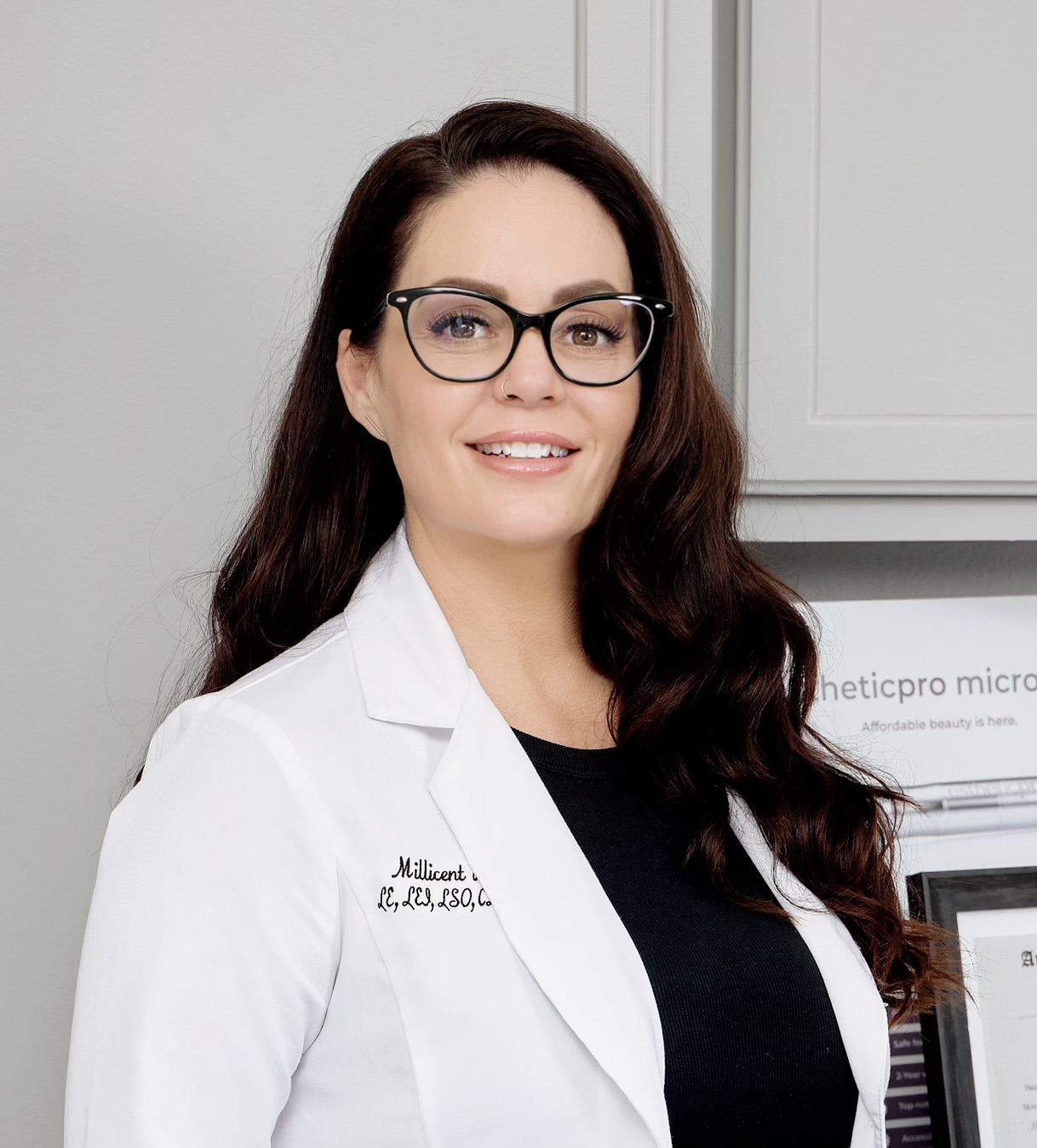
Contribution by Millicent Russo LE, LEI, CLT, LSO, WFR
Millicent Russo, LE LEI CLT LSO WFR is a thought leader hailing from Scottsdale, Arizona, and is on a mission to elevate the aesthetics industry through brand-neutral science-backed educational experiences. She is the executive director and founder of the Integrated Aesthetics Institute, specializing in advanced microneedling training. She is the founder and president of the Integrated Aesthetics Association and Scholarship Fund. She is the CEO of EstheticPro and a board member of the Learn Skin Integrative Dermatology Symposium Esthetics Track. She was named a ‘Top 30 Womenpreneurs of Arizona in 2023’ and the EstheticPro Micropen was named “Best Facial Tool” in the 2024 Skin Inc. Reader’s Choice awards. She is a sought-after public speaker, internationally published author, and aesthetics educator. Please join her in elevating our professional standard, visit integratedaesthetics.net and epmicropen.com.
Top Epigenetic Influencers
Studies confirm that even short-term environmental changes can shift skin gene expression. This means simple lifestyle or product upgrades can visibly change skin health.
UV Radiation
This silences protective genes and upregulates MMPs that break down collagen.
Unprotected sun exposure accelerates aging even without sunburn.
Nutrition
This influences methylation pathways – folate, B12, and polyphenols activate detox and repair genes.
A colorful, nutrient-rich diet supports youthful skin at the genetic level.
Sleep
Sleep regulates CLOCK genes responsible for nighttime regeneration.
Poor sleep often shows up as puffiness, dullness, or slow healing.
Chronic Stress
This activates NR3C1 receptors, increasing inflammation.
Breakouts or redness may signal the skin’s stress pathways are overactive.
Pollution
This triggers AhR and inflammatory genes like IL-1, breaking down the barrier.
Urban clients often present with sensitized, dull, or prematurely aged skin.
Harsh Skincare
This can suppress barrier genes like FLG, leading to tightness or irritation.
Too many actives can silence the very defenses we’re trying to support.
Epigenetics In Aesthetics Top Skincare Ingredients That Speak the Skin’s Language
Epigenetic skincare uses bioactive compounds that influence gene expression, activating beneficial pathways and suppressing harmful ones. Think of these ingredients as molecular coaches guiding skin to perform like it did in its prime.
Peptides
Palmitoyl Tripeptide-1 (Matrixyl®) stimulate COL1A1 for increased collagen.
Firms and softens fine lines by “waking up” structural genes.
Growth Factors
TGF-β3 mimics natural repair signals for fibroblast and keratinocyte regeneration.
They’re like messengers that tell the skin to act younger and heal faster—ideal post-treatment or for aging skin.
Polydeoxyribonucleotide (PDRN)
This enhances healing by activating adenosine A2A receptors.
Boosts skin healing and regeneration, making it a powerful ally post-procedure or for compromised skin.
Vitamin A (retinoids)
These upregulate genes for turnover and collagen synthesis.
Still the gold standard for reprogramming skin to act younger.
Niacinamide (Vitamin B3)
This modulates 1,000+ pathways, including pigmentation (MITF), inflammation (IL-8), and barrier (FLG).
A multitasker that strengthens, calms, and brightens the skin.
When we select ingredients that work with the skin’s biology, not against it, we move from temporary fixes to long-term reprogramming.
Applying Epigenetics in the Treatment Room
You don’t need a genetics lab to integrate epigenetics into your practice; you just need intention, education, and strategy.
Here’s how to start:
Educate Clients
Show them how sleep, sun, stress, and skincare all influence how their skin behaves at a genetic level.
Upgrade Consultations
Ask about lifestyle, not just symptoms.
Choose Smart Ingredients
Use formulas with proven gene-activating actives.
Pair with Technology
Combine with LED, microneedling, or oxygen therapy to amplify gene response.
Track Progress
Use photos, analysis tools, and consistent feedback to document change help you prove the power of this approach.
From Skin Provider to Skin Coach
Epigenetics is not just a trend; it’s the future of our industry. We have the power to not only treat skin but to guide its destiny. By integrating this science into our services, we stop chasing symptoms and start creating lasting transformation. So let’s rise as leaders, educators, and gene-smart professionals who don’t just treat what we see, but understand why it’s there. Epigenetics unlocks the code, and we hold the key.