Everyone Talks About Regenerative Aesthetics. Then I Walked Into Dr. Shino Bay Aguilera’s Practice
There are two kinds of physicians in medical aesthetics.
The ones who give incredible lectures, and the ones whose practices actually look like their lectures.
Those two groups overlap far less often than we would probably like to admit.
Over the past decade, L+A has attended conferences across three continents, interviewed physicians, scientists, researchers, educators, and innovators, and watched countless technologies arrive with the promise that they were about to change everything.
Some did.
Others quietly disappeared after a brief but very committed relationship with dramatic booth lighting, enthusiastic sales teams, and before-and-after photographs featuring suspiciously improved posture.
Aesthetic medicine moves quickly. Sometimes brilliantly. Sometimes breathlessly.
The conversation has also changed considerably. Our industry has moved beyond discussing only wrinkles, pigmentation, laxity, and volume loss. Today, the most thoughtful conversations include cellular health, extracellular matrix biology, inflammation, tissue function, regenerative medicine, longevity, and the possibility of helping the body age differently rather than simply disguising the evidence that aging has occurred.
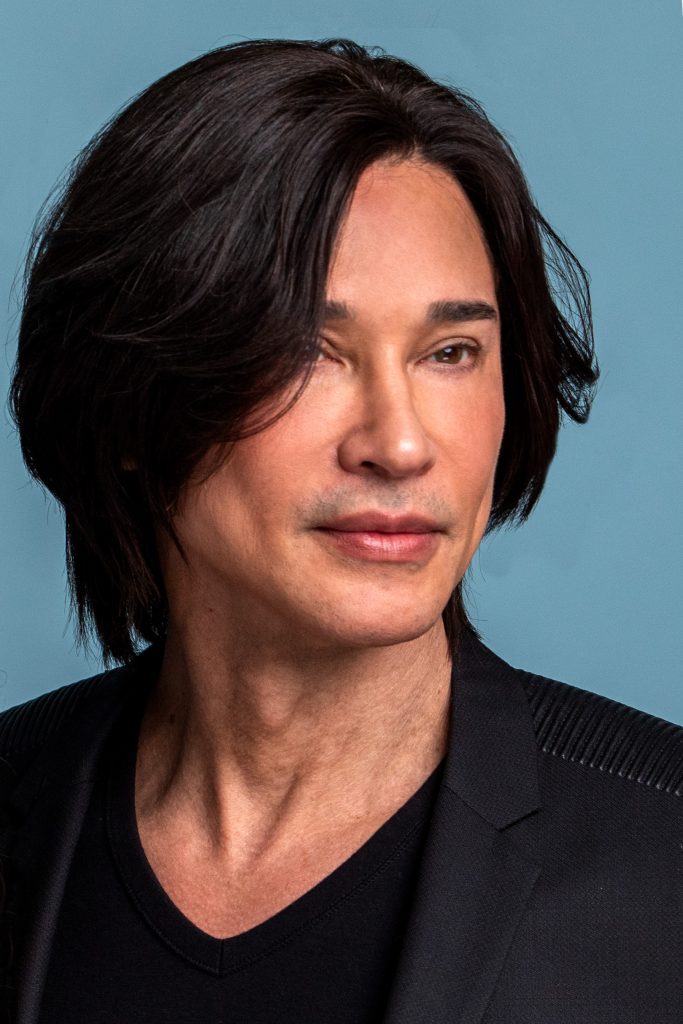
One physician has been having those conversations for much longer than most.
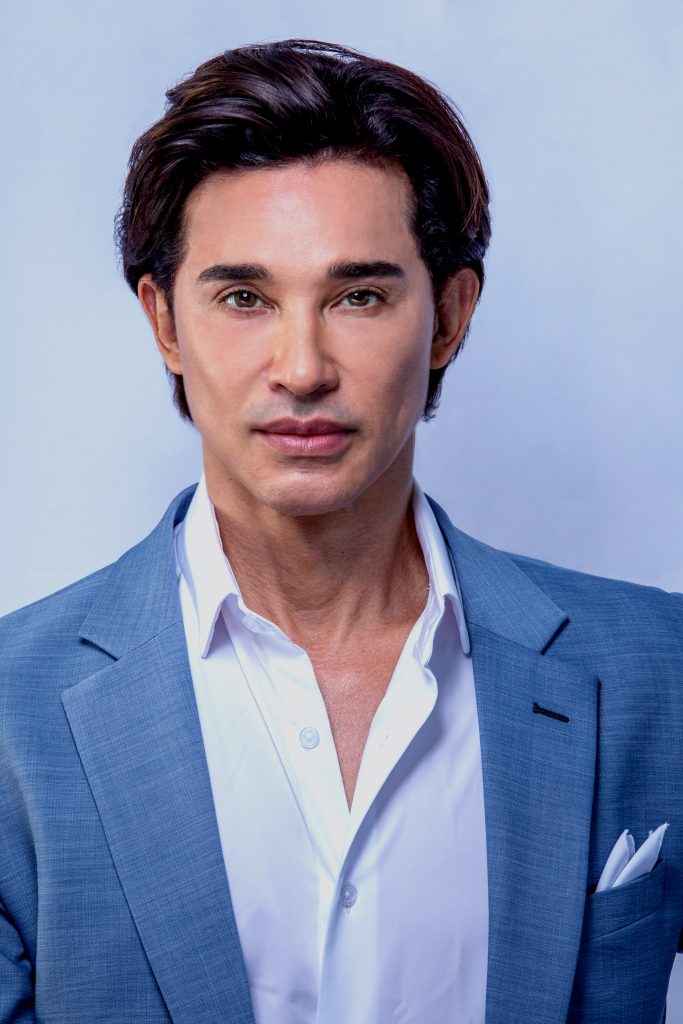
Shino Bay is one of the most respected aesthetic physicians in the international medical aesthetics industry. He is a board-certified dermatologist and dermatologic surgeon, cosmetic laser expert, researcher, published author, and one of the world’s most requested physician educators.
Anyone who has attended one of his lectures knows a Shino Bay presentation rarely begins like a conventional medical session. There may be music. There may be dancing. There may be color, movement, laughter, and an audience full of physicians suddenly participating in something they did not realize was going to be participatory.
Then the science begins.
Cellular biology. Tissue health. Anatomy. Regeneration. Longevity. The extracellular matrix. The relationship between structural support and visible aging.
His lectures are rigorous without becoming emotionally flat. They are optimistic without becoming scientifically careless. They remind audiences that medicine can be serious without becoming lifeless.
It all sounds compelling from the stage.
But conference stages have excellent lighting.
Practices tell the truth.
The Friend Who Needed Proof For Everything
Like many people working in this industry, I have a friend who regularly asks questions about skincare products and aesthetic treatments.
Not casual questions.
Ongoing investigations.
She wanted to know which ingredients worked, which technologies had credible science behind them, how long results would last, whether the downtime was reasonable, and whether the person recommending the treatment had any evidence beyond an extremely confident Instagram caption.
She was searching for solutions to the things she did not like about her appearance, but she was not willing to purchase every treatment that appeared in front of her.
She wanted proof.
She wanted logic.
She wanted a plan.
After months of answering questions, I finally told her to schedule a consultation at Shino Bay Cosmetic Dermatology and Laser Institute in Fort Lauderdale.
She asked me to go with her.
Of course I did.
Before the appointment, I already had a general treatment philosophy in mind. I am not a physician, and I would never pretend to be one. However, after years of attending education, interviewing experts, and covering regenerative aesthetics, certain philosophies begin to stand out.
My friend did not need aggressive correction.
She needed a long-term regenerative strategy.
She needed a plan designed to improve tone, texture, laxity, structural support, and overall tissue quality over time. I imagined a combination of biostimulatory injectables, controlled trauma treatments, and regenerative products or technologies intended to support the body’s repair processes.
Minimal hyaluronic acid filler.
Maximum attention to tissue quality.
As the consultation unfolded, the patient coordinator and nurse practitioner created a treatment plan.
It was remarkably similar to what I had imagined.
Biostimulators.
Controlled trauma.
Regenerative-based products.
A structured approach to helping the body improve over time.
What surprised me was not that they agreed with my instincts.
It was everything they did not recommend.
They did not rush toward the highest-priced service.
They did not attempt to fill every area where volume had changed.
They did not imply that every concern required immediate correction.
They did not push an overly aggressive treatment as the fastest route to tighter skin.
They did not appear interested in winning the consultation.
They were interested in earning the next ten years.
That distinction stayed with me.
We hear the phrase regenerative aesthetics constantly now. It appears in conference titles, educational programs, product launches, and treatment menus. Everyone is regenerating something.
Inside Shino Bay’s practice, I witnessed what regenerative thinking actually looked like when no one was on stage.
It looked like restraint.
It looked like education.
It looked like a long-term plan.
It looked like allowing biology to participate in the result.
It looked like accepting that collagen is apparently unaware of our preferred shipping speed and will not arrive tomorrow morning simply because we selected expedited treatment.
After that appointment, I knew I wanted to interview Shino.
Not because he travels the world talking about regenerative aesthetics.
Because I had seen his practice quietly implement the philosophy he teaches.
He was walking the walk.
A Practice Should Communicate Before The Physician Arrives
One of the first questions I asked Shino was what he hoped patients experienced during their first five minutes inside his practice.
His answer immediately brought me back to the consultation.
“I hope they experience my energy before they ever meet me,” he said. “A practice is a reflection of its leader, and I believe my team carries the same spirit that I try to bring every day: kindness, empathy, positivity, and genuine human connection.”
He does not describe his clinic as a sterile medical office. He also does not position it simply as a luxury spa.
“My clinic is neither a sterile medical office nor simply a luxury spa,” he explained. “It is a sanctuary for transformation. A place where science, compassion, and human connection coexist.”
Sanctuary is not a word we often hear in aesthetic medicine.
Transformation certainly is.
The industry loves transformation. We place it in headlines, treatment descriptions, patient testimonials, and social captions written with enough urgency to suggest that unchanged pores may constitute a personal emergency.
Shino’s definition is broader than a visible result.
“Patients come to rejuvenate not only their skin, but often their confidence and their outlook on themselves,” he said. “Within the first five minutes, I want them to feel safe. I want them to know they will never be judged, rushed, or treated as just another appointment on the schedule.”
This was exactly what I observed.
The staff did not begin by identifying flaws.
They began by listening.
They did not create urgency.
They created context.
Shino continued, “While we practice aesthetic medicine, our real purpose is to improve lives. Sometimes the most meaningful thing we offer is not an injection or a laser treatment, but making someone feel seen, understood, and inspired to become the best version of themselves.”
Almost every practice can say it cares about patients. The real test is whether the patient feels that care before meeting the physician whose name appears on the building.
“If a patient leaves feeling more hopeful than when they arrived,” Shino said, “then we have already begun the healing process.”
Science Before The Shiny New Thing
Aesthetic medicine is deeply connected to innovation.
That is one of the most exciting things about the industry. It is also one of the most dangerous.
New treatments can become popular before the science is fully understood. Marketing can move faster than clinical consensus. Social media can turn a procedure into a cultural phenomenon before providers have agreed on patient selection, realistic outcomes, or whether anyone involved has properly defined the word regenerative.
Shino has had the privilege of seeing technologies years before they reach everyday clinical practice. I asked how he determines whether an innovation deserves attention or is simply another trend wearing very expensive branding.
“I’ve been fortunate to be in this field long enough to watch countless trends come and go,” he said. “True innovation has staying power because it solves a biological problem, not just a commercial one.”
That distinction may be one of the most important in modern aesthetics.
Commercial problems are often solved quickly.
A new name. A new campaign. A new handpiece.
Biological problems require mechanism, evidence, reproducibility, and time.
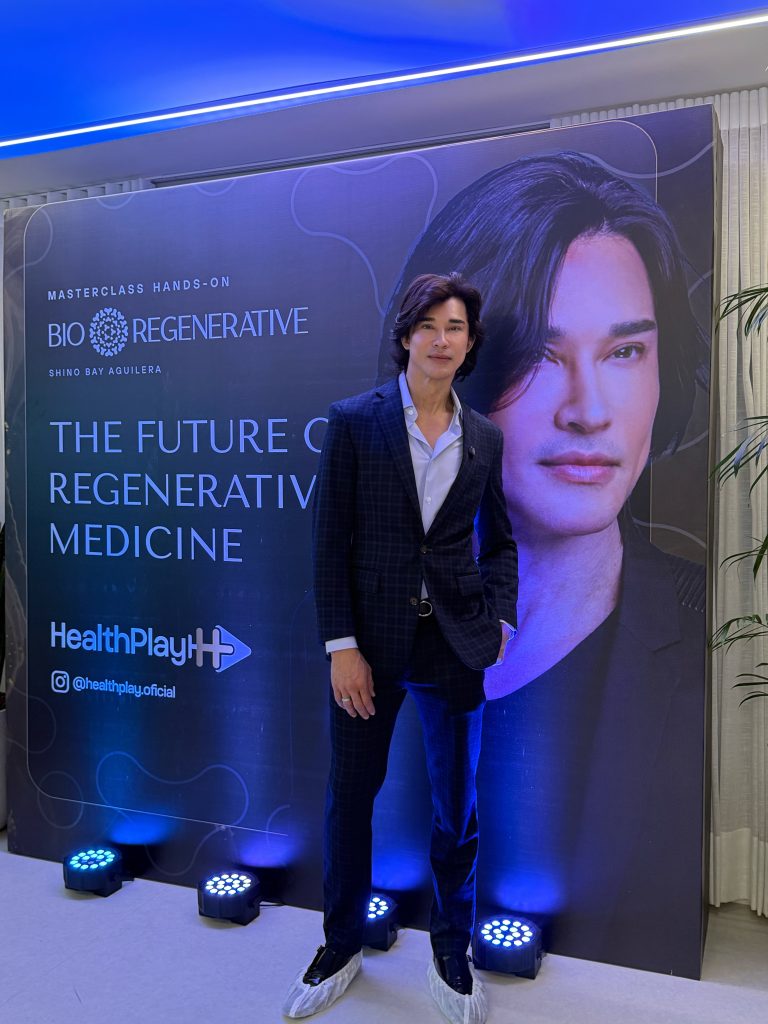
“The first question I ask is never, ‘Is this exciting?’” Shino explained. “It’s, ‘Does this make scientific sense?’ I look at the mechanism of action, the quality of the evidence, whether it respects tissue biology, and most importantly, whether it has the potential to meaningfully improve patients’ lives.”
Then he added a line that should probably appear inside every device purchasing meeting.
“If a technology simply creates a temporary aesthetic effect without advancing tissue health, I’m much less interested.”
Shino does not see early access as permission for automatic endorsement.
He sees it as a responsibility.
“I don’t see myself as someone who chases the newest thing,” he said. “I see myself as a filter. My role is to help separate genuine scientific progress from passing enthusiasm.”
That might be the least glamorous and most useful description of thought leadership I have heard.
The industry does not necessarily need more people announcing what is new.
It needs people willing to determine what is credible.
“The innovations that excite me most are those grounded in biology,” he continued. “Technologies that work with the body’s own regenerative capacity, preserve cellular health, and move our specialty beyond simply changing appearances toward improving tissue function and longevity.”
History, he believes, has already established the standard.
“The best innovations don’t arrive with the loudest marketing campaigns,” he said. “They earn their place because the science is sound, the outcomes are reproducible, and patients genuinely benefit.”
Science can be terribly inconsiderate that way.
It rarely organizes a launch party.
The Teacher Who Refuses To Stop Being A Student
Shino has taught thousands of providers around the world.
I asked whether teaching had changed the way he practiced medicine or whether practicing medicine had changed the way he taught.
“Both,” he said. “I don’t think you can do one well without allowing it to transform the other.”
Every patient presents a different combination of anatomy, biology, medical history, expectations, and emotional context.
Teaching challenges his practice because it forces him to articulate why he believes something, question assumptions, and evolve as new science emerges.
“Years ago, much of aesthetic education centered on anatomy, safety, and artistry,” he said. “Those principles remain essential, but today my conversations have expanded beyond appearances. I find myself teaching more about cellular health, tissue regeneration, extracellular matrix biology, and longevity.”
That evolution reflects a larger shift throughout medical aesthetics.
Artistry still matters.
Anatomy remains non-negotiable.
Safety is foundational.
But the future is asking clinicians to think beyond placement, energy settings, and visible correction.
“The future of aesthetic medicine is not simply about making people look younger,” Shino said. “It is about understanding how to work with the body’s own biology rather than against it.”
That growing understanding has not made him more certain.
It has made him more humble.
“As our understanding of regenerative medicine grows, so must our humility,” he said. “We have to remain students ourselves.”
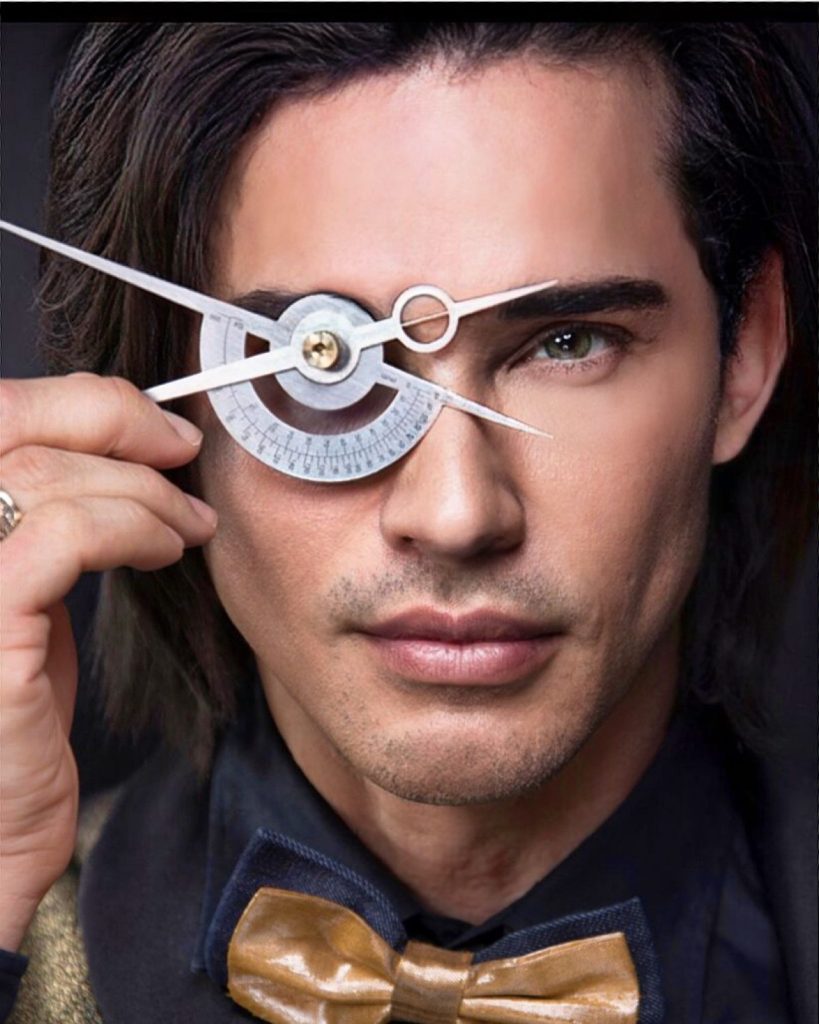
He also recognizes that providers do not all learn the same way.
“Some learn by seeing, others by doing, others by asking difficult questions,” he explained. “I never want my courses to feel intimidating or competitive. I want them to be safe environments where people feel comfortable asking questions, making mistakes, and growing.”
That philosophy mirrors the patient experience he wants inside his clinic.
The audience should feel safe enough to learn.
The patient should feel safe enough to be honest.
Culture Is What Happens When The Leader Leaves The Room
During my friend’s consultation, the most revealing thing was not the treatment plan.
It was the consistency.
The patient coordinator and nurse practitioner appeared completely aligned with Shino’s philosophy. They were not repeating memorized language. Their decisions reflected a shared way of thinking.
That is culture.
Culture is not what the founder says during a team meeting.
It is what the team does when the founder is lecturing in Stockholm.
“Culture is never created by a mission statement on the wall,” Shino said. “It’s created by what people experience every single day.”
Then came an important distinction.
“I don’t ask my team to represent me. I ask them to represent our purpose.”
Representing a person creates dependence.
Representing a purpose creates culture.
He explained that the practice devotes significant attention to clinical excellence, but also to empathy and communication.
“Technical skills can be taught,” he said. “Genuine compassion has to be cultivated and reinforced every day.”
Perhaps the most memorable line followed.
“We are not in the business of treating faces. We are in the business of caring for people.”
Faces have ligaments, fat compartments, muscles, bone, vessels, nerves, and skin.
People have stories.
“Behind every consultation is a story, an insecurity, a milestone, or a life transition,” he said. “If we remember that, our decisions naturally become more thoughtful and personalized.”
Aesthetic concerns are rarely isolated from life.
A patient may be preparing for a wedding, recovering from a divorce, navigating menopause, beginning treatment after weight loss, or trying to recognize themselves again after a significant transition.
The visible concern may be laxity.
The actual concern may be identity.
Shino also believes the way a leader treats the team determines how the team treats patients.
“When people feel valued, they naturally extend that same kindness to others,” he said.
His measure of success is not whether a patient enjoyed meeting him.
“The greatest compliment I can receive is when a patient says they felt cared for by every single member of our team,” he explained. “That tells me we’ve built something much bigger than one physician. We’ve built a culture.”
Trust Before Treatment
I asked Shino to identify the one expectation every member of his team understands before treating patients.
His answer did not involve revenue, rebooking, conversion rates, or even clinical outcomes.
“Every patient must leave feeling better than when they walked in, regardless of whether we performed a treatment that day.”
Feeling.
Not looking.
Feeling.
“Sometimes the greatest transformation begins because they felt heard, respected, educated, or simply treated with kindness,” he said.
Technical excellence is expected.
Safety is expected.
Clinical knowledge is expected.
What defines the practice is the human experience.
“We don’t just perform procedures,” he said. “We build trust.”
This is where the treatment plan I observed makes even more sense.
A practice focused on trust does not need to manufacture pressure.
A team focused on long-term care does not need to force every treatment into the first appointment.
A physician focused on tissue health does not need to use filler as the universal answer to aging.
“At the end of the day, I can teach someone how to use a laser or perform a treatment,” Shino said. “It’s much harder to teach someone to genuinely care.”
The Courage To Believe The Science Before Everyone Else
Many providers dream of building an internationally respected practice.
They may assume the defining decision is choosing the right location, purchasing the right device, or becoming highly visible online.
Shino’s answer was different.
“Without question, the most important decision I made was choosing to invest in regenerative medicine long before it became widely accepted.”
More than twenty years ago, aesthetic medicine was captivated by immediate correction.
Patients loved instant results.
Providers loved treatments that produced visible change during or shortly after the appointment.
Biostimulatory treatments such as poly-L-lactic acid were often misunderstood because the results required patience.
Shino chose patience anyway.
“The science made sense to me,” he said. “Instead of simply replacing lost volume, I was fascinated by the possibility of restoring the skin’s own regenerative capacity.”
That choice required conviction.
It also required business patience.
“It wasn’t always the easiest business decision,” he explained. “It required educating patients, earning their trust, and sometimes recommending treatments that required patience before the results became visible.”
Patience is not the easiest thing to sell in an industry where a patient may arrive asking what can be accomplished before dinner.
Yet Shino believed aging should be treated by working with biology rather than masking it.
The decision eventually shaped his professional identity and opened doors to research, education, and international collaboration.
“If there’s one lesson I’ve learned,” he said, “it’s that lasting success doesn’t come from following trends. It comes from having the courage to follow good science, even when the rest of the world hasn’t caught up yet.”
Leadership Through Adversity
Medicine is humbling.
No physician is immune to complications, challenging cases, unexpected outcomes, or difficult business decisions.
I asked Shino which leadership principle he returns to when something does not go according to plan.
“Every challenge carries a lesson,” he said. “My responsibility is to find it.”
His first instinct is not to assign blame.
It is to understand.
What happened?
Why did it happen?
What can be learned?
How can the process improve?
“I believe leadership begins with accountability,” he said. “If I make a mistake, I own it. My responsibility is not to protect my ego but to protect my patients, support my team, and preserve the trust they place in us.”
Some of his greatest growth has come from the moments that challenged him most.
“I don’t let adversity define the story,” he said. “I let the lesson define the next chapter.”
That philosophy becomes even more meaningful when you understand his personal story.
The Achievement That Had Nothing To Do With Medicine
When I asked Shino which achievement made him most proud, excluding awards, publications, and speaking engagements, his answer changed the interview.
“Without question, it’s the person I chose to become.”
His childhood was marked by abuse, neglect, bullying, poverty, and circumstances that could have led him toward anger or bitterness.
He chose something different.
“I decided that my past would inform me, but it would never define me,” he said. “Instead of allowing pain to harden my heart, I wanted it to deepen my compassion.”
That sentence explains so much of his energy.
It explains the kindness he wants patients to feel.
It explains the atmosphere he creates during lectures.
It explains why his definition of youth extends beyond the absence of wrinkles.
“Every day we decide whether we will pass our wounds on to someone else or transform them into something that heals,” he said.
Shino has often been told he looks younger than his age. He acknowledges biology may play a role, but believes perspective matters too.
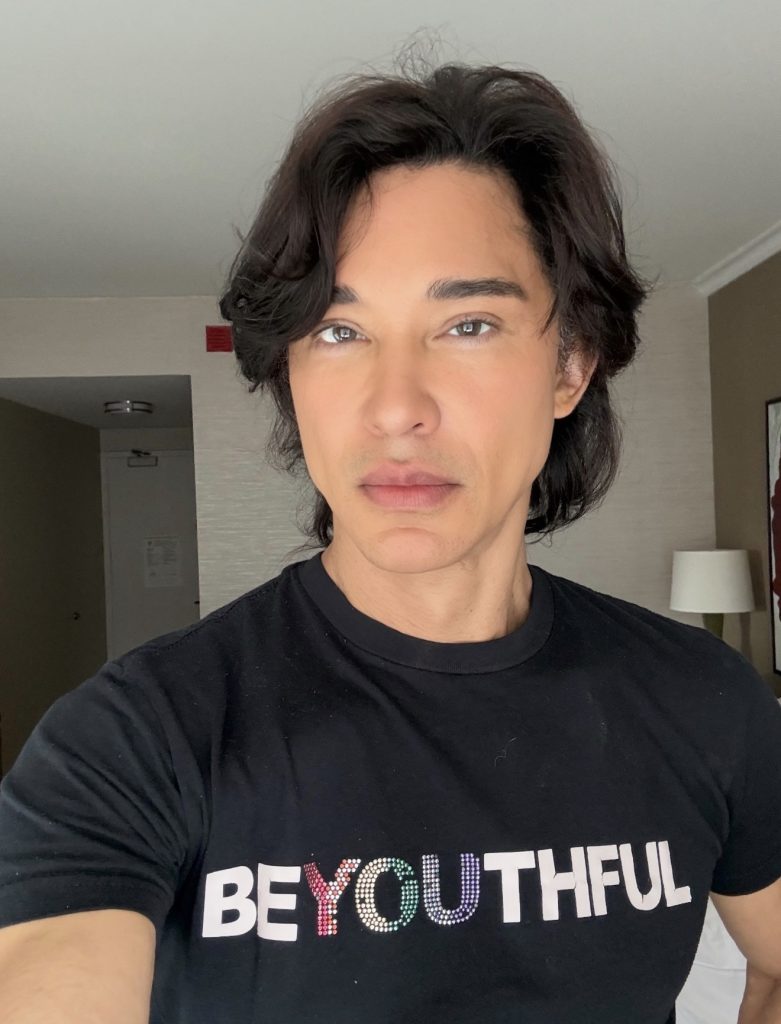
“I like to believe that love, gratitude, forgiveness, and purpose are powerful forms of longevity,” he said. “Carrying resentment is exhausting. Carrying love is liberating.”
For a physician known internationally for teaching regenerative aesthetics, this may be one of his most compelling observations about longevity.
“If I’m most proud of anything,” he said, “it’s that despite everything I experienced, I never allowed my heart to become bitter. I still believe in people. I still believe in goodness. I still choose to love.”
Authenticity Matters More Than Becoming A KOL
Many young physicians entering aesthetic medicine look toward successful mentors for guidance.
They study how leading physicians lecture, treat, communicate, build teams, and grow practices.
Shino believes admiration can be useful.
Imitation can become dangerous.
His first piece of advice is practical.
Become an exceptional physician, but understand that you are also building a business.
Medical education teaches diagnosis, treatment, anatomy, and patient care. It rarely teaches leadership, finance, communication, or team development.
His second lesson is more personal.
“Be unapologetically authentic.”
Early in his career, Shino admired mentors who inspired him. Eventually, he realized admiration should influence a physician without erasing that physician’s individuality.
“Don’t spend your career trying to sound like someone else, lecture like someone else, or build someone else’s practice,” he said. “Your greatest strength will always be your own voice.”
Comparison, he believes, steals confidence. It fuels self-doubt, impostor syndrome, and the belief that someone is falling behind simply because another person’s career looks different.
“The moment I stopped comparing my journey to everyone else’s and embraced my own path was the moment I truly began to grow.”
He also does not aspire merely to be known as a Key Opinion Leader.
He prefers a different phrase.
Key Leading Mentor.
“Opinions can influence people for a moment,” he said, “but mentorship has the power to influence an entire career.”
If he can help a physician think more critically, become more compassionate, avoid mistakes, and care for patients better, he considers that more meaningful than simply sharing an opinion.
Education Is Emotional Before It Is Intellectual
People occasionally misunderstand Shino’s creativity.
The clothing.
The music.
The dancing.
The energy before a lecture.
Some assume it reflects a desire to become the center of attention.
He sees it differently.
“Everything I do is intentional,” he said. “It’s never about spectacle. It’s about creating an emotional connection before I begin teaching.”
His philosophy is simple.
“Education is emotional before it is intellectual.”
People may not remember every slide or statistic.
They remember how the experience made them feel.
“Science deserves rigor, integrity, and honesty,” he said, “but it can also inspire wonder, joy, curiosity, and hope.”
Those emotions do not diminish science.
They make it memorable.
His larger purpose is to challenge how people define youth.
When Shino asks an audience to dance, smile, or share a moment, he is creating what he calls micro moments of community.
“Youth is far more than the absence of wrinkles,” he said. “It is energy. It is curiosity. It is movement. It is community. It is purpose. It is laughter.”
“They don’t just hear me talk about vitality,” he said. “They actually feel it.”
Giving Cells A Voice
Looking ahead, Shino believes aesthetic medicine is approaching a fundamental transformation.
For decades, the specialty focused primarily on changing appearance.
Today, it is beginning to influence the biology of aging itself.
“The future belongs to treatments that are cell-centric, regenerative, and grounded in the science of tissue health,” he said.
Beauty does not begin at the surface.
It begins at the cellular level.
It depends on the extracellular matrix, communication between cells, balanced inflammation, tissue structure, and the body’s capacity to repair itself.
The coming years may bring significant advances in regenerative biologics, tissue engineering, extracellular matrix science, precision diagnostics, artificial intelligence, and personalized medicine.
Instead of asking how to make someone look younger, physicians may increasingly ask how to help tissues function younger and remain healthier longer.
“The future of aesthetic medicine isn’t about faking younger,” Shino said. “It’s about creating healthier tissues, healthier cells, and ultimately healthier human beings.”
Twenty years from now, he does not hope people remember him for a specific technique, product, or lecture.
He hopes they remember that he helped the specialty see aesthetic medicine through a different lens.
“Beneath every wrinkle, every ligament, every volume deficit, and every aesthetic concern are living cells working tirelessly every second of every day,” he said.
Those cells are born, mature, communicate, respond to their environment, age, and eventually lose function.
“In many ways, they have their own life story,” he explained. “Perhaps my greatest contribution has been trying to give those cells a voice.”
By encouraging physicians to think from the cell outward rather than the surface inward, he hopes the profession will ask different questions.
Not only “How do we correct what we see?”
But, “What do these tissues need to become healthier?”
“If aesthetic medicine becomes more cell-centric, regenerative, preventive, and respectful of biology,” he said, “I will feel that I played a small part in moving our profession in the right direction.”
Walking Out Thinking Differently
After the consultation, my friend asked whether the treatment plan surprised me.
It did not.
The plan looked remarkably similar to the one I had imagined before we arrived.
What surprised me was everything surrounding it.
The patience.
The education.
The restraint.
The absence of pressure.
The belief that a thoughtful treatment plan should improve tissue quality rather than simply erase a visible complaint as quickly as possible.
The willingness to explain that biological improvement takes time.
The understanding that overfilling is not the same thing as rejuvenating.
The recognition that aggressive treatment is not automatically advanced treatment.
The confidence to build slowly.
That experience changed the article I thought I was going to write.
I expected to write about an internationally respected physician who travels the world teaching regenerative aesthetics.
Instead, I found myself writing about a physician who built an entire culture around a way of thinking.
It was reflected in his team.
It was reflected in the consultation.
It was reflected in the treatment plan.
It was reflected in what they recommended.
More importantly, it was reflected in what they chose not to recommend.
Shino did not need to be in the room for his philosophy to be present.
That may be the strongest evidence of leadership.
His work is certainly about aesthetic medicine.
It is also about humanity.
It is about helping physicians remain curious.
It is about helping patients feel seen.
It is about reminding an industry fascinated by visible change that some of the most important work is happening underneath the surface.
Everyone talks about regenerative aesthetics.
Then I walked into Dr. Shino Bay’s practice.
That is where I finally understood what regenerative thinking actually looks like.
It looks like science before hype.
Biology before popularity.
Trust before treatment.
Compassion before correction.
And when I asked Shino to finish one final sentence, his answer brought the entire conversation back to its simplest truth.
“Great skincare is healthy cells.”