The treatment room of 2026 looks markedly different from its predecessor. Gone is the era of the single-function device and the aggressive, one-size-fits-all correction protocol. In its place, a more sophisticated philosophy has emerged, one that the industry is calling “Skin Architecture.” Rather than targeting isolated concerns with isolated tools, today’s most forward-thinking providers are rebuilding skin’s structural integrity from the inside out by using platforms that deliver multiple modalities in a single, seamless session.
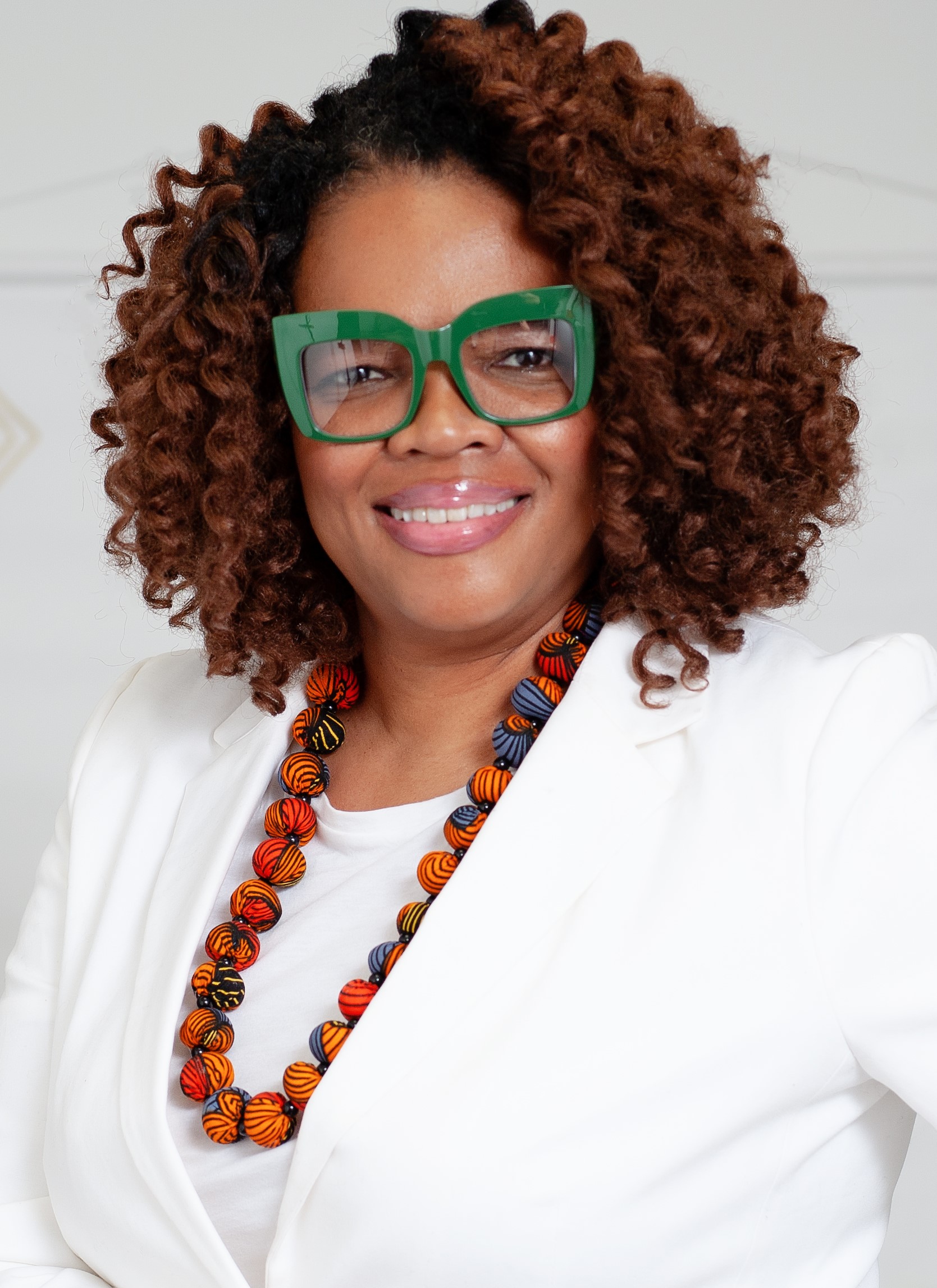
Contribution by Dr. Sherrie Tennessee
Dr. Sherrie Tennessee began her career in the scientific world by conducting research at renowned institutions, including Johns Hopkins University and MedImmune. With over 20 years of experience in the beauty, spa, and wellness industries, she has served as a massage therapist, nail technician, spa owner, professor, speaker, and educator. Her diverse background informs her unique approach to workplace wellness, stress management, and resilience training, particularly for high-performance professionals.
A Certified Integrative Health and Wellness Coach, Dr. Tennessee specializes in helping individuals and organizations manage stress, enhance wellbeing, and navigate change. She has developed and facilitated evidence-based wellness and stress-management programs for private-sector leaders and government agencies. Her insights on wellness technology and innovation have been featured in leading industry publications, and she is a frequent speaker at national and international forums.
Dr. Tennessee holds a B.S. in Biology, an MBA, and a Ph.D. in Hospitality Administration from the William F. Harrah College of Hospitality at the University of Nevada, Las Vegas. Her doctoral research focused on wellness tourism, self-service technology, and the integration of innovation into wellness environments. She has partnered with distinguished organizations, including Johnson & Wales University, Sandals Resorts International—Red Lane Spa, and Mandarin Oriental, continuing to bridge the gap between traditional hospitality and forward-thinking wellness strategies.
The numbers reflect this shift in unmistakable terms. The global energy-based aesthetic devices market is valued at $6.62 billion in 2026, growing at a compound annual growth rate of 12.4%. Non-invasive technologies now represent fully half of that market. Medical spas, long considered the middle ground between clinical dermatology and traditional spa services, are the fastest-growing end-user segment, fueled by a 40% increase in total cosmetic procedures since 2019. Clients are not simply seeking more treatments; they are seeking smarter ones.
The Case for Multi-Modality Devices
The traditional model of investing in separate devices for separate concerns, one for laxity, one for pigmentation, one for hydration, is giving way to integrated platforms on multi-modality devices capable of addressing multiple skin concerns within a single appointment. This evolution serves both the client and the provider. For clients, it means fewer visits, less downtime, and more comprehensive results. For providers, this translates to increased treatment efficiency, reduced overhead, and a stronger return on investment in devices.
Never Miss An Article – Get On The VIP Email List
Joni Torres, Director of Spa Services at the Golden Nugget Las Vegas, has seen this transformation play out firsthand in her treatment rooms. “Its ability to deliver immediate results, customizable protocols, and multiple technologies in one platform makes it an invaluable asset in modern aesthetic practice,” Torres said of her team’s experience integrating a multi-modality device into their service menu.
Multi-modality devices like the Zemits HydroDiamond exemplify this direction. Rather than asking providers to choose between exfoliation, hydration, radiofrequency lifting, or ultrasonic refinement, the system delivers all of these, and more, within one cohesive treatment experience. Its eight integrated technologies include HydroDiamond® exfoliation and extraction, DermeDrop™ pressure-based serum infusion, DermeBoost™ micro-pulse infusion for delicate eye and lip areas, ultrasonic skin refinement, RF collagen remodeling, oxygen serum delivery, cold skin toning therapy, and vacuum massage with extraction. Each modality addresses a distinct concern; together, they compose a complete skin treatment rather than a partial one.
Matching Technology to Concern
What makes multi-modality devices particularly compelling is their capacity for customization. Not every client presents the same concerns, and not every concern responds to the same energy. Providers working with platforms that offer true modality flexibility can adapt in real time, adjusting the protocol based on what the skin actually needs rather than what a single-function device is capable of delivering.
For skin laxity, radiofrequency therapy remains the clinical standard, using controlled thermal energy to stimulate collagen remodeling deep within the dermis. Joni Torres stated, “For volume loss and dehydration, pressure-based infusion technologies like DermeDrop™ deliver active serums beneath the surface without needles, an increasingly attractive option for clients seeking visible plumping with minimal intervention. For tone, texture, and refinement, ultrasonic technology and cold toning therapy work in concert to calm, clarify, and smooth.
Combination sequencing is where the most dramatic results are achieved. Joni describes the clinical logic clearly: “Layering technologies further elevates results. Pairing DermeDrop™ with Cold Skin Toning helps depuff, tighten, and calm the skin, while finishing with oxygen infusion boosts hydration and plumps the complexion. These combinations create a comprehensive, results-driven experience that clients can see and feel immediately.”
This kind of strategic stacking aligns with one of the most important insights emerging from advanced aesthetic practice in 2026: treating the skin as an interconnected system rather than a collection of isolated problems yields superior, longer-lasting outcomes.
Preparation Matters as Much as the Protocol
Industry data increasingly supports a “barrier-first” approach to device treatments. Providers are seeing stronger results and fewer complications, particularly among clients with deeper skin tones, when the skin is primed with medical-grade topicals for 2 to 4 weeks before high-energy treatments. This preparation reduces the risk of post-inflammatory hyperpigmentation and allows the skin to receive energy-based modalities at their full therapeutic potential.
For those working with multi-modality devices like the Zemits HydroDiamond, incorporating dermaplaning prior to treatment takes preparation a step further, removing surface dead skin cells and fine vellus hair to allow for deeper product penetration and a more refined post-treatment finish.
Training as a Competitive Advantage
Technology alone does not produce results; the provider behind it does. As multi-modality platforms become more sophisticated, the clinical and consultative skills required to operate them effectively have risen accordingly. Joni Torres is direct on this point: “Equipping your team with in-depth device education ensures consistency, confidence, and optimal outcomes. Proper training empowers providers to customize protocols, explain benefits clearly, and maximize the full capabilities of advanced technologies.”
This investment in education pays dividends beyond treatment outcomes. A well-trained team communicates the value of advanced technology with confidence, supports higher service price points, and builds the kind of client trust that drives repeat visits and referrals. In a market where over 40% of bookings now occur outside business hours through AI-enabled scheduling platforms, the in-person client experience, shaped entirely by the skill and knowledge of the provider, becomes the primary differentiator.
From Transactions to Rituals
Perhaps the most meaningful shift underway in the aesthetic space is not technological but philosophical. Leading spas and aesthetic practices are repositioning device-based treatments not as one-time corrective fixes, but as ongoing wellness rituals: experiences clients return to consistently as part of a proactive approach to skin longevity. This reframing, from reactive correction to regenerative maintenance, supports membership models, strengthens client retention, and aligns with the broader industry pivot away from “anti-aging” language toward the more resonant language of longevity and restoration.
Multi-modality devices are uniquely suited to support this model. Their versatility means that the same device can serve a client’s skin across different seasons, life stages, and concerns, evolving alongside the client rather than addressing a single moment in time.
The treatment room of 2026 is defined not by how many devices it contains, but by how intelligently those devices work together. For providers ready to meet that standard, the multi-modality devices are not simply a technology investment; it is a practice philosophy made tangible.