
Microneedling and longevity are tied in aesthetic medicine as we enter a new era, one where the goal is no longer just looking younger, but aging better at the cellular level. Among modern skin modalities, microneedling has emerged not only as a powerful modality for collagen remodeling and scar revision, but also as a treatment with compelling links to telomere extension, epigenetic reprogramming, and the broader science of longevity. This places microneedling in a unique position: it is both a cosmetic and regenerative procedure, capable of influencing key pathways involved in cellular aging.

December 2025 L+A Report
Technology for Skin Longevity: The New Pathway for Lifelong Skin Vitality
Skin longevity isn’t just a wellness trend—it’s becoming the lens through which today’s medical and spa skincare professionals design treatment plans, choose technologies, and guide patients through their long-term skin health journeys. The new frontier of skincare is rooted in the understanding that when we improve cellular function, we improve everything: resilience, vibrancy, structure, and the skin’s ability to age slowly and gracefully.
Microneedling and Longevity – Why This Modality
Traditionally, microneedling has been understood through the lens of wound healing and collagen induction. But a deeper examination reveals a more sophisticated story. When the skin experiences controlled microinjury, an entire cascade of mechanotransductive signals is released. These signals influence the activity of fibroblasts, stem cells, and growth factor pathways that are intimately tied to biological aging. Research indicates that mechanical stimulation can modulate: cellular turnover rate, gene expression patterns, dermal stem cell activation, extracellular matrix renewal, and inflammation resolution pathways. These biological responses place microneedling squarely within the realm of anti-aging therapeutics, not merely anti-wrinkle treatments.
The Telomere Connection: Extending the Life of Skin Cells
Telomeres (protective DNA caps at the ends of chromosomes) shorten with each cell division. The shorter the telomere, the older the cell. When telomeres become critically short, the cell becomes senescent or dies, contributing to visible and biological aging. What does microneedling have to do with telomeres? Emerging evidence shows that controlled dermal injury increases telomerase activity, the enzyme responsible for maintaining and lengthening telomeres. This is the same enzyme activated by practices associated with extended healthspan, such as exercise, meditation, and fasting. Microneedling stimulates: cellular regeneration, fibroblast proliferation, stem cell recruitment, and increased telomerase expression in the wound-healing phase. By encouraging healthier, younger-acting cells to repopulate the dermis, microneedling may indirectly support telomere preservation and reversal of cellular senescence markers. The result: skin that not only looks younger, but behaves younger at the molecular level.
Epigenetics: The New Frontier of Aesthetic Intervention
Epigenetics refers to modifications that turn genes “on” or “off” without altering the DNA sequence. These modifications, DNA methylation, histone acetylation, and microRNA activity, are the most accurate predictors of biological age we currently have. And here’s where things get exciting: Microneedling is a powerful epigenetic stimulus. In simpler terms, microneedling shifts the skin’s epigenetic programming toward a younger biological state.
Mechanical stimulation alters the expression of genes responsible for:
Collagen production (COL1A1, COL3A1)
Elastin synthesis
Fibroblast migration
Inflammation control (IL-10, TGF-β)
Matrix remodeling (MMPs and TIMPs)
Beyond this, micro-injury triggers a transient increase in youth-associated epigenetic patterns, including:
Reduced DNA methylation of repair-related genes
Activation of SIRT pathways (sirtuins), key longevity regulators
Enhanced antioxidant response element (ARE) signaling
Upregulated mitochondrial biogenesis
Mechanotransduction: How Physical Stimulation Rewrites Aging Programs
Mechanotransduction, the conversion of mechanical force into biochemical signals, is the bridge between microneedling and longevity science. Every controlled needle pass creates a mechanical cue that tells the cell: activate repair, regenerate, rebuild.
These cues influence:
Cytoskeleton tension
YAP/TAZ activation (youth-associated transcription factors)
Stem cell differentiation
ECM gene expression
Reduction of inflammaging markers
This isn’t just superficial rejuvenation. Mechanotransduction alters the entire cellular environment, making it more conducive to youthful function.
Why Microneedling and Longevity Medicine Align
Longevity medicine focuses on:
1. Reducing cellular senescence
2. Improving mitochondrial function
3. Enhancing stem cell communication
4. Supporting telomere stability
5. Optimizing epigenetic expression
Microneedling touches all five pillars.
While it is not a systemic longevity therapy, it is one of the few aesthetic treatments with a demonstrated potential to reprogram local tissue toward a more youthful biological age, not just cosmetically, but epigenetically.
Enhancing Epigenetic Benefits: Pairing Microneedling with Regenerative Topicals
Certain topical actives are shown to amplify epigenetic and telomerase pathways, including:
Stem cell-derived molecules (exosomes, SRM, growth factors)
Peptides (GHK-Cu, acetyl hexapeptides)
Antioxidants (EGCG, resveratrol)
DNA-repair enzymes
Nucleotides and NAD+ precursors
Post-needling application allows these molecules to influence gene expression and cellular behavior more directly. This synergy elevates microneedling from a collagen treatment to a regenerative longevity protocol.
Aesthetic Longevity Is Here
Microneedling is more than a tool for texture improvement, it is a gateway to epigenetic skincare, where we harness mechanotransduction, telomerase activity, and cellular reprogramming to promote healthier aging. As the science continues to evolve, aesthetic professionals are uniquely positioned to integrate longevity principles into everyday practice, helping clients achieve not just better skin, but better biological aging. The future of aesthetics is longer telomeres, smarter gene expression, and regenerative protocols that go far beyond the surface.
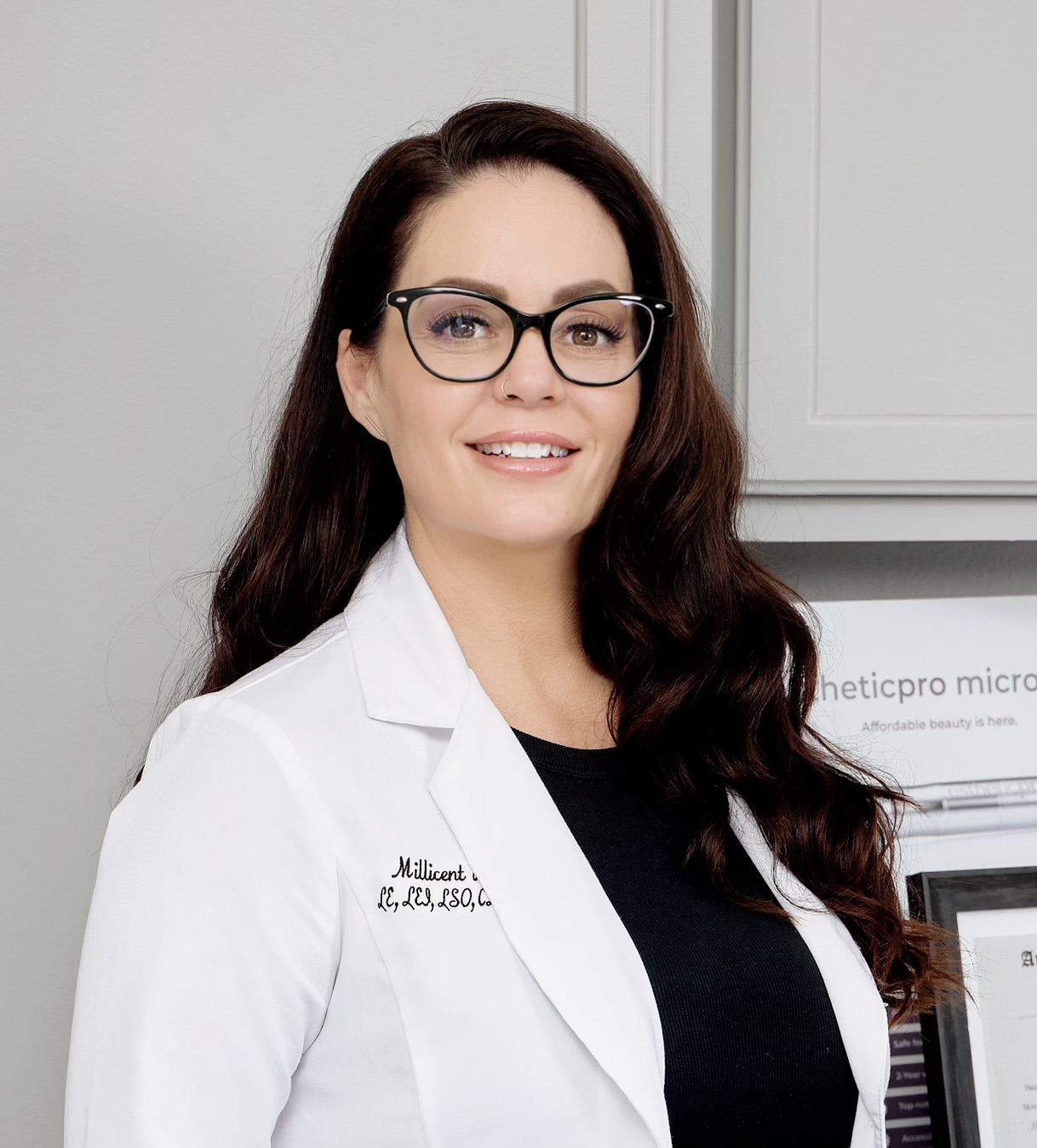
Contribution by Millicent Russo LE, LEI, CLT, LSO, WFR
Millicent Russo, LE LEI CLT LSO WFR is a thought leader hailing from Scottsdale, Arizona, and is on a mission to elevate the aesthetics industry through brand-neutral science-backed educational experiences. She is the executive director and founder of the Integrated Aesthetics Institute, specializing in advanced microneedling training. She is the founder and president of the Integrated Aesthetics Association and Scholarship Fund. She is the CEO of EstheticPro and a board member of the Learn Skin Integrative Dermatology Symposium Esthetics Track. She was named a ‘Top 30 Womenpreneurs of Arizona in 2023’ and the EstheticPro Micropen was named “Best Facial Tool” in the 2024 Skin Inc. Reader’s Choice awards. She is a sought-after public speaker, internationally published author, and aesthetics educator. Please join her in elevating our professional standard, visit integratedaesthetics.net and epmicropen.com.