Med Spa Growth Strategies: Lessons From Top Owners
From the outside, med spa growth strategies can look straightforward: a fuller schedule, a second location, a stronger social presence. Inside the businesses that have scaled well, it looks different. It looks like better systems, deeper patient relationships, more confident teams, and owners who are no longer the default decision-maker for everything.
When AmSpa asked leading owners for their med spa growth strategies and what has actually fueled growth in their businesses, their answers were consistent: sustainable growth comes from building a business that can deliver a trustworthy, consistent experience at scale.
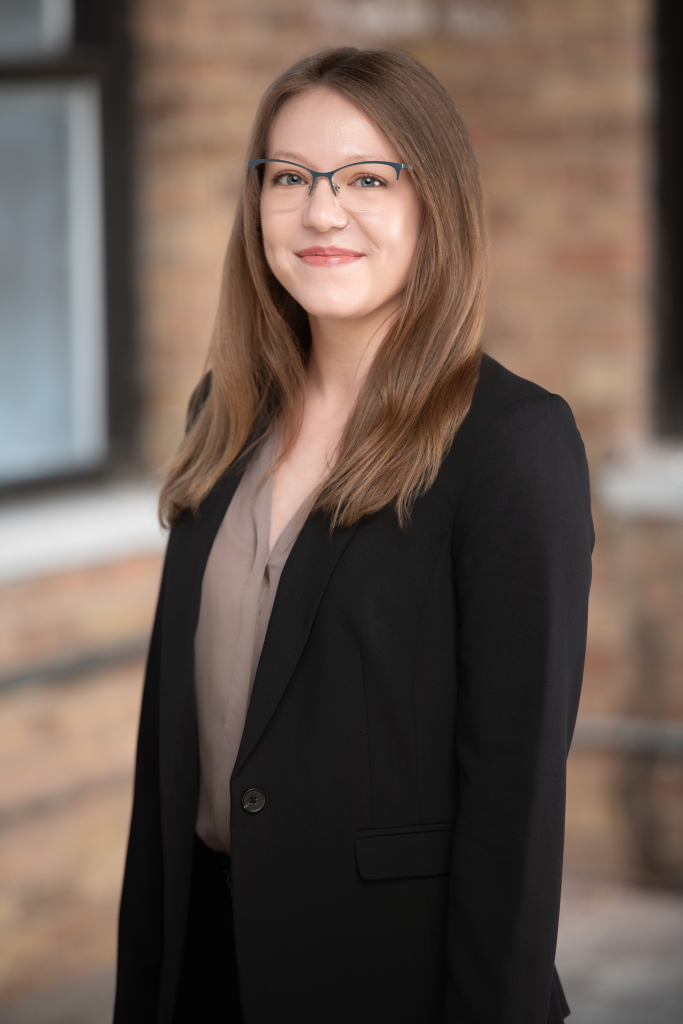
Contribution by Madilyn Moeller – AmSpa, Marketing Content Coordinator
Madilyn Moeller is the marketing content coordinator at the American Med Spa Association (AmSpa), where she leads editorial strategy covering the business of medical aesthetics. Over the past five years, she has interviewed and profiled leading med spa owners, physicians, and industry experts, distilling their expertise into practical insights for aesthetic professionals. Her work spans articles, podcasts, webinars, and conference programming focused on helping practices grow while maintaining compliance and prioritizing patient safety.
When the Founder Becomes the Bottleneck
Nearly all reached the same operational turning point: when the founder began limiting the med spa growth strategies.
“A successful practice cannot depend only on the physician’s hands, schedule, or personal energy,” says Dr. Kay Durairaj, founder of Beauty by Dr. Kay. Her hands-on involvement helped establish quality and trust, but it created a ceiling.
Trying to offload that work can be challenging. “Delegation without systems is just chaos with extra steps,” says Dr. Gretchen Frieling, founder of GFaceMD, explaining that growth accelerated once standards lived in documented processes instead of in her head.
Nicci Levy, founder of Alchemy43, saw growth once she stopped trying to be involved in every decision and gave great people real ownership. “Early on, my job was to solve problems,” she says. “As we grew, my job became building a team that could solve problems without me.”
For Shawna Chrisman, NP, founder of Destination Aesthetics, opening her first brick-and-mortar location with a full appointment book changed her thinking. “It shifted my mindset from simply operating a practice to intentionally building an organization.”
Marria Pooya, founder of Greenwich Medical Spa, had a strong vision for her med spa, but says implementing EOS—the Entrepreneurial Operating System based on the principles in Traction—provided framework her team needed. “Once everyone was rowing in the same direction, we stopped simply managing the day-to-day and started building the business strategically for long-term growth.”
The Highest-Return Med Spa Growth Strategies
While each practice took a different path, the strongest returns came from strengthening patient relationships.
“The highest-return strategy has been building recurring relationships rather than chasing new patients,” says Dr. Frieling. “Lifetime value, not first-visit revenue, is where the real return compounds.”
Dr. Durairaj sees patient education as one of the highest-return investments her business has made. “When patients understand the why behind a treatment plan, they make better decisions, trust the process, and stay with the practice longer,” she says. “Education builds confidence, and confidence builds retention.”
Retention also has a direct impact on profitability, says Dr. Johnny Franco, Austin plastic surgeon. “You can be very busy and still not be as successful as you think,” he says. Without patient retention, practices are “constantly starting over.”
Leslie Fletcher, NP-BC, founder of InjectAbility, approaches retention through rewarding loyalty and supporting more comprehensive treatment planning. She sells by outcome, not by unit or syringe. “Relationships are much more valuable than any single treatment sale.”
Marria Pooya has seen the highest long-term return on investing in clinician training, education, and development. “More confident providers have better consultations, create stronger treatment plans, and build deeper trust with patients, which naturally drives higher sales and retention.”
Sara Cole, NP, founder of The Siren Medical Spa, has seen that same relationship between trust and growth play out through patient outcomes and team development. “While each person brings different talents and perspectives, we are united by a shared purpose: always putting the patient’s best interest first.”
At Disappearing Act Aesthetic Medicine, practice manager and COO Rebecca McAbee says that the best revenue generator has been making compassionate connections with patients: those patients return time and again, referring their family and friends along the way.
Never Miss An Article – Get on the VIP Email List
Systems From the Start
If these owners shared one regret, it was not building systems from the beginning.
“Clinical excellence alone does not create a scalable business,” says Dr. Durairaj, pointing to the importance of SOPs, clear staff roles, documentation standards, follow-up systems, inventory management, and financial tracking.
Dr. Franco agrees. “The more you can outline everything in a structured way—every position, every job, every process—the easier and faster it is to grow.” Without that structure, he warns, businesses often depend on a single “unicorn” employee instead of a repeatable system.
Being an exceptional clinician and building an exceptional business require two very different skill sets.
Cole said she would have formalized front desk workflows, patient communication, and cancellation policies much earlier. Chrisman and Dr. Frieling both wish they had invested sooner in developing business acumen, from financials to hiring and leadership. “Yet I firmly believe a true entrepreneur learns by doing: by staying curious, asking questions, taking chances, and making mistakes along the way,” says Dr. Frieling.
The leaders also challenged the idea that growth comes from constantly chasing the next trend, finding that consistency often drives more revenue than novelty. “The strongest KPIs are often a byproduct, not the goal,” says Chrisman. “They follow when you consistently deliver an exceptional patient experience.”
To Support Growth, the Leader Has to Change
As practices grow, leadership must evolve alongside them.
“The next stage of growth requires the physician-owner to think like a CEO, not only like a provider,” Dr. Durairaj said. Chrisman described one of the most difficult decisions in that transition: stepping out of her role as a primary injector so she could focus on leading the business.
As Levy notes, “growth requires leaders who can make decisions, take accountability, and move the business forward without waiting for founder approval.”
Dr. Franco highlights that the more structured the business becomes, the easier it is to make decisions based on data, goals, and processes. “It is a big shift when you move from a people-dependent business to a process-driven business, but that is what allows you to grow and scale in a healthy way,” he says.
Creating a Culture that Grows with the Business
Building a scalable culture takes consistency in values. “We hire, promote, recognize, and, when necessary, part ways with team members based on those values,” says Pooya.
Dr. Franco takes a similarly direct approach. “I have never regretted parting ways with someone who was hurting the culture, even if they were one of our highest performers.”
If performance issues arise, you need to be able to address and correct them right away, according to McAbee. “They never just go away; they only get worse.”
Fletcher encourages business owners to model the culture and define their core values. “Make sure your place of business is a place where no one wants to leave, because you prioritize culture.”
Growth for these leading med spas depends on training, retention, accountability, and systems strong enough to protect the patient experience as the business gets more complex. When patients have a great experience, achieve great outcomes, and build a strong relationship with their provider, they return more often, explore additional services, refer friends and family, and remain loyal for years.
As Pooya puts it, “the greatest long-term value comes from earning a patient’s trust and becoming their lifelong aesthetic partner.”