
The skincare and aesthetic industry is experiencing a fundamental shift. The traditional anti-aging narrative, focused on concealing signs of aging, has evolved into something far more comprehensive: longevity. This transformation represents more than semantics; it reflects a consumer-driven movement toward cellular health, preventative care, and holistic wellness that is reshaping every segment of the professional beauty industry.

December 2025 L+A Report
Technology for Skin Longevity: The New Pathway for Lifelong Skin Vitality
Skin longevity isn’t just a wellness trend—it’s becoming the lens through which today’s medical and spa skincare professionals design treatment plans, choose technologies, and guide patients through their long-term skin health journeys. The new frontier of skincare is rooted in the understanding that when we improve cellular function, we improve everything: resilience, vibrancy, structure, and the skin’s ability to age slowly and gracefully.
The numbers tell a compelling story. The global anti-aging market is projected to reach approximately $140.94 billion by 2034, growing at a CAGR of 6.8% from 2025 to 2034. Within this landscape, the overall longevity market is expected to reach $44.92 billion in economic value by 2031. In the United States alone, anti-aging products are projected to reach $27 billion by 2033, fueled by consumers seeking longevity-centric health solutions. This growth is particularly evident in the Medispa sector, where longevity-focused “biohackers” have helped drive the market to $21 billion.
From Surface to Cellular: The New Skincare Paradigm
The skincare sector, which accounts for approximately 44% of beauty sales, has moved beyond topical solutions to embrace cellular renewal. The anti-aging skincare ingredients market is forecasted to reach $2.70 billion by 2032, reflecting substantial investment in research-backed actives.
Antioxidants dominated the market with a 34.2% share in 2024, driven by their proven ability to neutralize free radicals and combat oxidative stress at the cellular level. This scientific approach resonates with educated consumers who understand that visible aging reflects deeper biological processes.
The concept of “collagen banking” exemplifies this shift. Search interest for collagen has increased by more than 35% year-over-year, as consumers focus on long-term structural maintenance rather than reactive treatments. This preventative mindset aligns with the broader longevity movement, where preservation takes precedence over correction.
Consumer attitudes have evolved alongside these scientific advances. Currently, 73% of consumers are open to cosmetic treatments, with injectables and laser resurfacing generating the most curiosity. This acceptance signals reduced stigma and normalization of preventative aesthetics as part of comprehensive wellness routines.
Technology Meets Longevity: Advanced Devices and Aesthetics
Professional aesthetic devices are becoming increasingly sophisticated, focusing on long-term results rather than temporary cosmetic fixes. The medical aesthetic devices market is projected to reach $27.92 billion by 2030, with a 10.30% CAGR from 2025, outpacing the general anti-aging market and signifying robust demand for technology-driven solutions.
Non-surgical procedures accounted for 55.87% of revenue in 2024, with non-energy devices forecast to grow at a 12.67% CAGR. This preference for minimally invasive, low-downtime treatments reflects the longevity focus on sustainable maintenance rather than dramatic interventions.
The demographics driving this growth are equally revealing. The 40-54 age bracket contributed 46.19% of U.S. aesthetic revenues in 2024 and is expanding at a 13.9% CAGR. This demographic, characterized by high earning power and proactive health management, seeks treatment as visible signs of aging appear rather than waiting for advanced signs.
Cultural acceptance continues expanding beyond traditional demographics. The number of men receiving minimally invasive cosmetic procedures spiked 29% from 2000 to 2020, indicating broader recognition of aesthetic treatments as integral to overall wellness.
Internal Health, External Radiance: Supplements and Injectables
The most direct connection between internal health and external youthfulness manifests in the growing supplements and injectables market. This category demonstrates how longevity thinking has created truly holistic consumer demand.
The global IV hydration therapy market is expected to nearly double from $2.64 billion in 2024 to $5.66 billion by 2033, growing at a 9.0% CAGR. This expansion stems from the rising popularity of wellness and beauty treatments, as IV therapy is believed to enhance natural collagen and elastin production. The Energy Boosters segment held the largest market share at 25.29% in 2024, reflecting consumer focus on vitality and performance alongside aesthetic goals.
Longevity supplements tell a similar story. The healthy aging supplement market is expected to grow from $1.41 billion in 2024 to $2.16 billion by 2034, with a 5.9% CAGR. Products targeting joint health, cognitive function, and skin elasticity are in high demand, with formulations dominated by ingredients that reduce oxidative stress, particularly antioxidants and collagen peptides.
Looking Forward
The longevity movement has fundamentally altered how consumers approach aging and wellness. For medical and spa skincare professionals, this shift demands comprehensive knowledge spanning topical treatments, advanced devices, and systemic interventions. The most successful practitioners will be those who embrace this holistic perspective, recognizing that true longevity requires addressing health from multiple dimensions—cellular to systemic, preventative to restorative, internal to external.
As this market continues expanding, staying current with innovations and consumer expectations will be essential for professionals committed to delivering results that extend far beyond the treatment room.
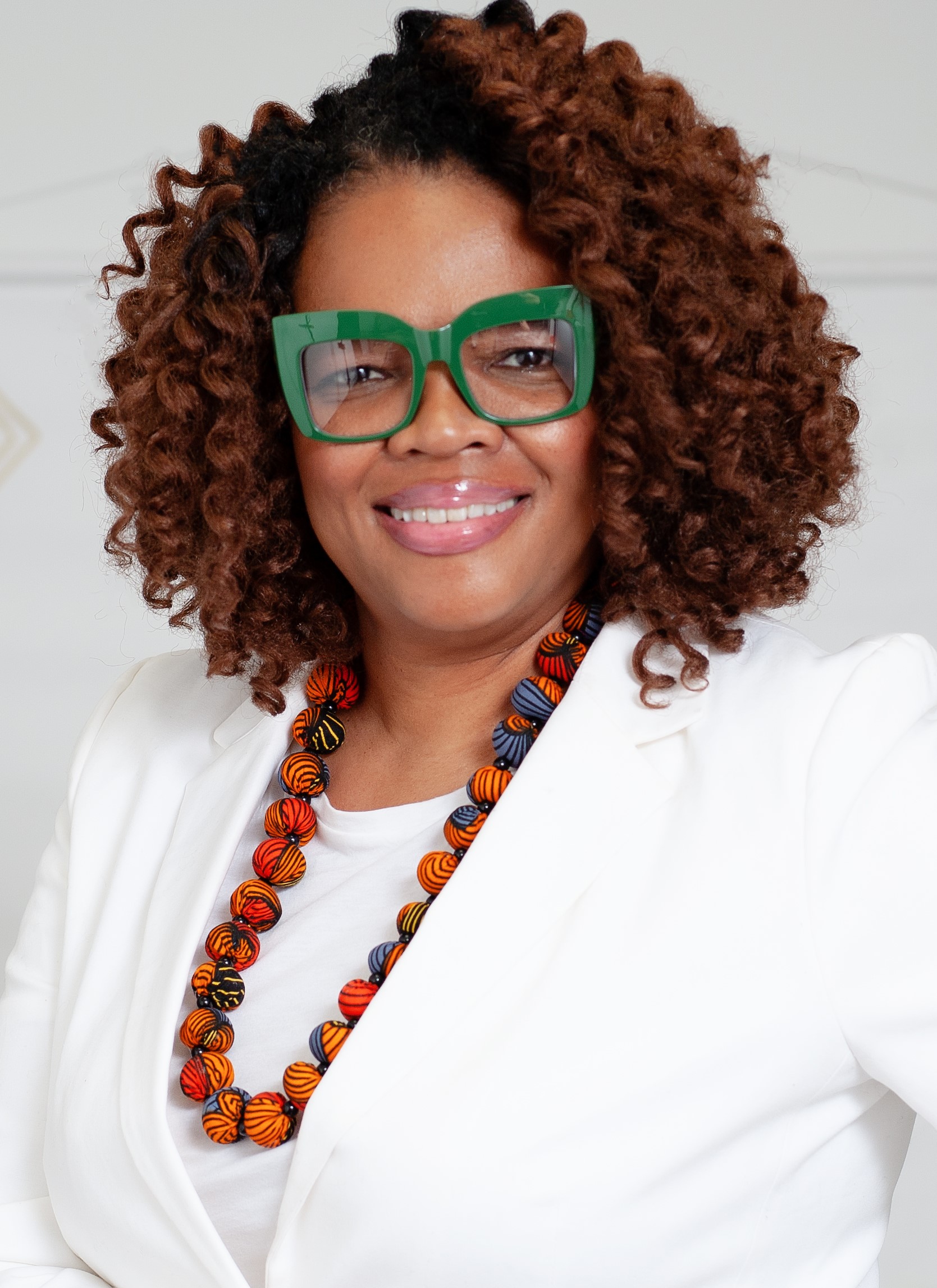
Contribution by Dr. Sherrie Tennessee
Dr. Sherrie Tennessee began her career in the scientific world by conducting research at renowned institutions, including Johns Hopkins University and MedImmune. With over 20 years of experience in the beauty, spa, and wellness industries, she has served as a massage therapist, nail technician, spa owner, professor, speaker, and educator. Her diverse background informs her unique approach to workplace wellness, stress management, and resilience training, particularly for high-performance professionals.
A Certified Integrative Health and Wellness Coach, Dr. Tennessee specializes in helping individuals and organizations manage stress, enhance wellbeing, and navigate change. She has developed and facilitated evidence-based wellness and stress-management programs for private-sector leaders and government agencies. Her insights on wellness technology and innovation have been featured in leading industry publications, and she is a frequent speaker at national and international forums.
Dr. Tennessee holds a B.S. in Biology, an MBA, and a Ph.D. in Hospitality Administration from the William F. Harrah College of Hospitality at the University of Nevada, Las Vegas. Her doctoral research focused on wellness tourism, self-service technology, and the integration of innovation into wellness environments. She has partnered with distinguished organizations, including Johnson & Wales University, Sandals Resorts International—Red Lane Spa, and Mandarin Oriental, continuing to bridge the gap between traditional hospitality and forward-thinking wellness strategies.