Over 11 years ago, a young, freshly graduated Dr. Alberto moved to Japan to pursue a post-doctoral fellowship at Juntendo University, Tokyo. After very hard work and a lot of effort, I published 3 major articles in peer-reviewed journals in the field of experimental dermatology.

More than a decade later, as a well-established dermatologist and scientist, I returned to Japan to spend a month, but this time as a tourist. I’m not the same person, and now my professional expertise gives me a new curiosity: the cosmetic industry’s current trends.
That inspired me to write this article about what products, compounds, and uniqueness attracted my attention.


Esthetician + Spa Owner Reviews L+A
Kelly Conlan, LE
Lipgloss and Aftershave helps me stay informed and confident as an esthetician. I never worry about being out of the loop or misinformed in front of savvy clients because they consistently breakdown what’s new, what’s real, and what’s worth paying attention to. I trust them because they test what they share and give honest feedback. On top of that, they are down to earth, genuinely welcoming, and incredibly appreciative of their community, and you feel that the moment you meet them virtually or in-person.
Japan’s cosmetic industry has deep roots, with beauty practices evolving from ancient face pigments to modern, science-led skincare and makeup products after the Meiji era and post-World War II economic boom. Today, it is a global powerhouse, blending innovative formulations with cultural ideals of subtle beauty and quality, significantly impacting both domestic lifestyles and the economy through export and retail growth. Japanese consumers often prefer locally produced cosmetics for their trusted safety, meticulous formulations, and familiarity with skin-friendly ingredients. Surveys show domestic brands are bought more frequently than foreign ones by most Japanese shoppers. Cosmetics for daily use are widely purchased at drugstores, variety shops, department stores, and online marketplaces, with drugstores being the top channel.
Dr. Alberto Leguina-Ruzzi 5 Hot Trends In Innovation in the Japanese Cosmetic Industry
1 Coenzyme Q10 Products
Coenzyme Q10, often shortened to CoQ10 or ubiquinone, is a fat-soluble, vitamin-like compound naturally present in virtually all human cells. It was first isolated in the 1950s from animal tissues and later recognized as a critical electron transporter in mitochondria — the cellular “powerhouses” — involved in generating ATP, the body’s energy currency. Its discovery and elucidation of function contributed ultimately to a Nobel Prize in Chemistry in 1978 for its role in cellular energy production.
The dermatological interest in CoQ10 arises from its dual roles as an antioxidant and metabolic cofactor. In skin cells, CoQ10 not only participates in energy metabolism — essential for cell repair and renewal — but also neutralizes free radicals generated by UV exposure and pollution, which contribute to oxidative stress and accelerated skin aging. Topical CoQ10 can help stabilize mitochondrial activity and combat signs of aging, such as wrinkles and loss of elasticity, and supports overall skin health at the cellular level.

Clinically, studies have demonstrated that CoQ10-enriched topical preparations may reduce signs of photoaging and protect dermal fibers from damage. For example, research suggests that formulations with around 1 % CoQ10 used over months can contribute to wrinkle reduction and antioxidant protection. Additionally, in vitro studies show that CoQ10 can stimulate collagen and elastin gene expression in skin fibroblasts, highlighting its potential to support skin structural components.
In practice, CoQ10 appears in a wide range of cosmetic and dermatological products, including serums, anti-aging creams, moisturizers, and sunscreens. Its antioxidant properties make it synergistic in formulations designed to combat environmental stressors, and its relatively gentle profile suits many skin types. Worldwide, the global CoQ10 market has expanded rapidly, with applications spanning nutraceutical supplements to cosmetics, driven by rising consumer demand for “anti-aging” and “cellular health” products.
Japan’s affinity for CoQ10 is particularly notable. The Japanese Ministry of Health permitted CoQ10 use in foods and supplements as early as 2001, which spurred its integration into both dietary and skincare products. Japanese cosmetic brands often emphasize functional, scientifically supported ingredients, and CoQ10’s dual appeal as both a bioenergetic cofactor and antioxidant fits well with Japanese consumer preferences for products that deliver measurable aging benefits. Additionally, Japan is a major producer of CoQ10 raw material, with several domestic companies involved in manufacturing high-purity CoQ10, which further supports its prevalence in local skincare.
2 Goat Milk as Base Ingredient
Goat milk has a long and storied association with skin care that dates back thousands of years. Ancient civilizations valued milk baths and dairy-based treatments for their beautifying effects: stories about Cleopatra bathing in goat (and other) milks to keep her skin soft and radiant. While early users did not understand the underlying chemistry, modern dermatology has since identified several key skin-friendly components in goat’s milk that explain these historical traditions.
At its core, goat milk is uniquely suited to the skin because its pH is close to that of human skin, meaning it can cleanse and condition without disrupting the acid mantle — the protective barrier that helps maintain moisture and support the skin microbiome. This gentle compatibility makes goat milk particularly appealing for dry, sensitive, and easily irritated skin.

Goat milk offers multiple benefits that have made it a favorite in topical skin care. It naturally contains lactic acid, an alpha-hydroxy acid (AHA) that gently exfoliates dead skin cells and helps reveal a smoother, brighter complexion while still acting as a humectant — attracting and retaining moisture.
Rich fats and emollient proteins in goat milk help fortify the skin’s natural moisture barrier, reducing water loss and leaving the skin feeling soft and supple. These moisturizing properties make goat milk-based products useful not just for general hydration but also for alleviating symptoms of conditions like eczema and psoriasis in many individuals.
Additionally, goat milk contains vitamins A, D, E, and selenium, which support cellular repair, antioxidant protection, and overall skin health. These micronutrients can contribute to softer texture, reduced visible signs of aging, and improved resilience against environmental stressors.
In modern cosmetics, goat milk appears in a wide variety of formulations: soaps, cleansers, lotions, body butters, masks, and creams. Its natural creamy texture and gentle exfoliating qualities make it especially popular in artisan and “farm-to-face” skincare lines. Goat milk is also spray-dried into powder for stability and ease of formulation in many products, from hydrating creams to luxurious bath bars.
Worldwide, the goat milk skincare segment has been growing steadily as consumers seek natural, gentle alternatives to harsher synthetic ingredients. The global market for goat milk cosmetics has shown notable expansion, driven by demand for products suited to sensitive skin and eco-conscious buyers.
In Japan, goat milk products — including soaps, lotions, and creams — have gained a loyal following due to the cultural emphasis on skin health, gentle formulations, and high-quality ingredients. Japanese consumers value products that deliver hydration and nourishment without irritation, aligning perfectly with goat milk’s profile as a mild but effective skincare component. Additionally, small-scale producers in Japan have embraced goat milk in beauty products, reinforcing its perception as a premium, artisanal ingredient in both domestic skincare and broader wellness markets.
3 Specially Designed Sunscreen for Hands
In Japan, hand care occupies a uniquely important place within daily skincare routines, leading to the development of SPF products specifically formulated for the hands. This focus is deeply rooted in cultural values that associate well-maintained hands with cleanliness, elegance, and attention to detail. Hands are constantly visible in social and professional interactions—during greetings, payments, writing, and daily gestures—making them a subtle but powerful indicator of personal care.
From a dermatological perspective, the hands are one of the most sun-exposed areas of the body, yet they are often neglected in sun protection. Chronic ultraviolet exposure contributes significantly to photoaging, pigmentation, dryness, and loss of elasticity, making hands one of the first areas to reveal visible signs of aging. Japanese consumers are highly aware of this process, which explains the widespread daily use of sunscreen on the hands, not only during summer but throughout the year.
To meet this demand, Japanese cosmetic companies have developed hand-specific SPF formulations that differ from traditional sunscreens. These products combine effective UV protection with fast-absorbing, non-sticky textures that do not interfere with daily activities such as typing, driving, or handling objects. Many formulations also include moisturizing and barrier-supporting ingredients to counteract frequent hand washing and alcohol-based sanitizers, which are common in Japan. Whitening or tone-correcting effects are often added to enhance the visual appearance of the hands instantly.
This level of specialization is relatively unique to the Japanese market. In Western regions, the routine application of sunscreen to the hands remains low, and consumers typically rely on general facial or body sunscreens rather than products designed exclusively for this area. Dedicated hand SPF products are rare, reflecting a broader cultural tendency to prioritize facial sun protection over other exposed areas.
Japan’s hand-specific SPF products illustrate how cultural awareness, aesthetic values, and dermatological science converge to create highly targeted skincare solutions, setting Japan apart as a leader in functional and preventive cosmetic innovation.

4 Gender Specificity in the Industry
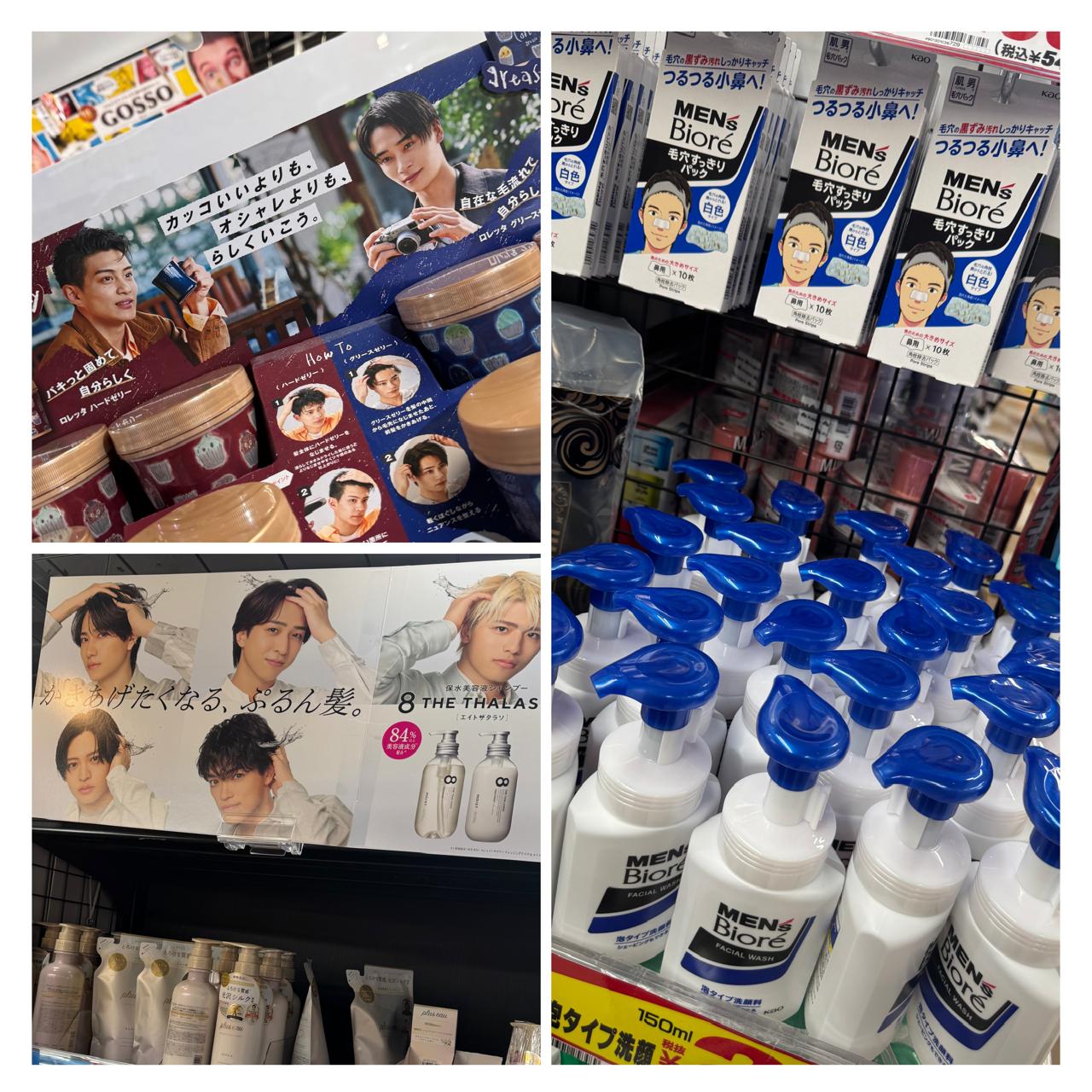
In Japan, cosmetic and personal care products for men represent a well-defined and rapidly growing segment, characterized by a clear differentiation from female-oriented cosmetics. This distinction is rooted in cultural expectations surrounding grooming, professionalism, and social presentation, where personal appearance is considered an extension of respect toward others. As a result, Japanese brands intentionally design products exclusively for men, rather than adapting existing formulations for a broader audience.
This differentiation goes beyond branding and includes specific compounds and textures tailored to male skin, which tends to be thicker, oilier, and more prone to irritation from shaving. Men’s products often emphasize oil control, pore care, cooling sensations, and lightweight formulations, addressing practical concerns associated with daily grooming routines.
Equally important is aesthetic differentiation. Packaging for male cosmetics in Japan typically features darker colors, minimalist typography, and industrial or technological design cues, clearly separating them from the softer, pastel aesthetics of women’s products. Marketing reinforces this distinction through messaging focused on efficiency, cleanliness, performance, and confidence, often using male role models from business or sports rather than beauty imagery.
This approach contrasts sharply with Western cosmetic trends, where products increasingly adopt gender-neutral positioning and shared formulations. In Japan, however, maintaining a clear gender boundary in cosmetics helps consumers quickly identify products aligned with their identity, reinforcing trust, usability, and cultural comfort within the marketplace.
5 Cute Packaging
Cute packaging plays a central role in the Japanese cosmetic industry and is deeply rooted in the country’s kawaii culture, a concept that celebrates cuteness, softness, and emotional warmth. Emerging in post-war Japan and gaining prominence in the 1970s through characters like Hello Kitty, kawaii aesthetics became a powerful cultural language that extends far beyond fashion and entertainment into daily consumer goods, including cosmetics. Packaging is not merely decorative; it is designed to evoke comfort, friendliness, and trust, transforming routine skincare into an enjoyable ritual.
Anime and manga culture further reinforce this approach. Characters, pastel colors, rounded shapes, and playful illustrations are frequently used on cosmetic packaging, creating a sense of familiarity and emotional connection. These visual elements appeal not only to younger consumers but also to adults, reflecting Japan’s cultural acceptance of cuteness across all ages. In this context, cosmetics are perceived not just as functional products but as personal companions that enhance mood and self-care.
From a commercial perspective, cute packaging is highly effective. It encourages impulse purchases, strengthens brand identity, and supports long-term consumer loyalty. Japanese brands also use kawaii design to communicate gentleness and safety, qualities highly valued in skincare. As a result, cute packaging has become a distinctive hallmark of Japanese cosmetics, influencing global beauty trends while remaining firmly anchored in Japan’s unique cultural appreciation for kawaii and anime aesthetics.

Final Thoughts
And here, I’m at my hotel room finishing the article 12 hours before taking my flight to my next destination (Shanghai!), and I can say that the cosmetic industry in Japan is huge! A clear reflection of their culture, esthetic appreciation, and more importantly, their care for a neat and natural appearance.
I love Japan, and returning after more than 10 years was a magical experience.

Contribution by Dr. Alberto Leguina
Dr. Alberto Leguina-Ruzzi is a Biologist, Doctor of Medical Sciences, Physician, and Dermatology Specialist with more than a decade of experience across biomedical research, university teaching, clinical practice, and the pharmaceutical industry.
He currently serves as President of the Chilean Chapter of ISWAM (International Seminar and Workshop in Aesthetic Medicine) and has shared his expertise on stages around the globe—including IMCAS, MEIDAN, SOCHIMCE, AIDA, and 5-CC, among other major international congresses.
Throughout his career, Dr. Alberto has led continuing medical education initiatives, offered scientific and technical support to sales teams, and ensured the ethical, accurate, and clinically relevant communication of medical and pharmaceutical innovations.