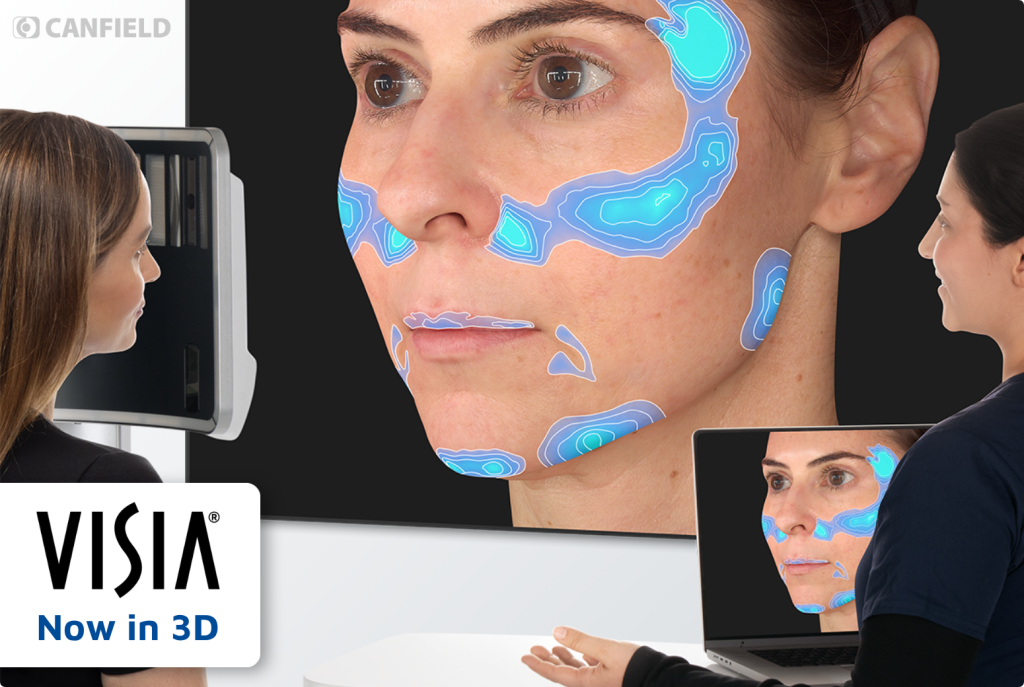
Patients seeking aesthetic care expect not just strong clinical outcomes, but comprehensive care personalized to their needs. As the aesthetics field advances, standardized clinical photography can be more than just a documentation tool for providers: it can improve consultations, increase patients’ understanding of their care, and promote patient retention. While before-and-after photography has long been used to document results, modern imaging technology and platforms such as VISIA and YouCam take that function further by making photography an interactive part of patient care. These systems help providers support clearer understanding from patients and create measurable treatment plans that keep patients engaged throughout their experience.

Contribution by Dr. Kay Durairaj
Dr. Kay completed her surgical training at UCLA and is a member of the American Academy of Facial Plastic and Reconstructive Surgery and American Board of Otolaryngology, Head and Neck Surgery.
Dr. Kay specializes in faces, including surgery for eyelids, rhinoplasty, facelift, and neck lift. Her expertise in Botox and neurotoxins, facial injectables, and fillers, and was voted one of the top 100 injectors in the country by her peers. She is on the frontier of Sculptra butt injections and has used Sculptra to treat hundreds of butts by increasing volume, improving cellulite dimples, and softening stretch marks.
She is Chairman of the Department of Ear, Nose, and Throat Surgery at Huntington Memorial Hospita,l and she serves as an advisor to multiple aesthetic industry organizations such as Merz, Allergan, Evolus, Prollenium and Galderma.
Dr. Kay has a natural approach to facial rejuvenation and wants to help every person accentuate their best features. Let her help you learn how to take care of your face with the best in anti-aging technology.
The Challenge of Subjective Improvement
One of the most common challenges in aesthetic medicine is that patients often forget where they started. While they get aesthetic treatment that addresses their goals and provides results, patients see themselves every day, and because of that they may become less aware of subtle changes in their face or body. This often leads to frustration or dissatisfaction when they feel they are not seeing enough improvement.
Standardized photography can reduce that uncertainty by giving patients objective evidence of progress. When patients compare images taken under consistent conditions, improvements become easier to recognize and understand. This reinforces confidence in both the treatment plan and the provider.
Why Standardization Matters
Many factors influence how patients perceive their progress and how satisfied they feel with treatment. Inconsistent photography may make improvement harder to evaluate, or it may minimize visible progress, creating a need for a standardized imaging protocol to be implemented for providers and patients to more easily track progress and assess where alterations to a treatment plan may be needed.
Elevating the Consultation Experience
The consultation is one of the most crucial stages of the patient journey. While traditional consultations rely heavily on verbal explanation, visual tools can improve patient understanding by making concerns easier to see and discuss.
Advanced imaging systems may reveal issues that are not immediately visible to the eye, like pigmentation irregularities, texture changes, and early signs of aging. Instead of simply describing these findings, this method allows providers to show patients exactly what they are seeing and assessing.
This changes the consultation from a one-sided recommendation into a collaborative educational experience. Patients gain a better understanding of their aesthetic results, which makes treatment recommendations and expected outcomes easier to understand.
Patient Trust and Education
Trust is one of the most important factors influencing patient satisfaction and loyalty. Today’s patients are educated consumers spending time researching providers and treatments before scheduling a consultation. They want recommendations supported by evidence, not conversations that feel sales-driven.
Clinical photography supports that transparency by shifting the discussion from opinion to observation. Providers are able to use images and analysis data to demonstrate specific concerns and explain how recommended treatments address them.
When patients see the reasoning behind a treatment plan, they are more likely to feel confident and educated in their decisions and trust the provider guiding them. Many aesthetic concepts are difficult to explain verbally, so imaging technology makes these discussions easier and more Streamlined.
An informed patient is a more engaged patient. When patients understand both the “why” and the “how” behind a treatment plan, they are more likely to follow recommendations and stay invested in the process.
Improving Treatment Retention
Clinical photography also supports practice growth by improving patient retention, helping patients develop a deeper understanding of their aesthetic goals, and giving providers a stronger basis for comprehensive treatment planning. While a physician’s description may provide some understanding of progress, objective imaging data may uncover underlying concerns that patients had not previously recognized. This creates opportunities to facilitate a more informed and open dialogue so providers can recommend treatment plans that are more complete, personalized, and aligned with the patient’s desires.
Photography also reinforces value after treatment begins. Progress images give patients visual confirmation that treatment is working, which supports continued engagement and Follow-through.
Because retaining existing patients is generally more cost-effective than acquiring new ones, tools that support long-term engagement have a meaningful impact on practice performance.
Workflow Benefits for Modern Practices
The advantages of clinical photography extend beyond the patient experience. Integrated imaging systems create a more efficient documentation process, improve treatment tracking, and enhance communication among providers. When photographs and analysis data are stored within the patient record, clinicians are able to quickly review previous visits and make more well-reasoned decisions.
This consistency is especially valuable in multi-provider practices. It supports continuity of care and creates a more standardized patient experience across the practice.
Looking to the Future
As artificial intelligence and imaging technology continue to evolve, clinical photography will play an increasingly important role in aesthetic medicine.
The most successful practices will use these tools for more than documenting results; they will use them to improve communication, strengthen patient relationships, and create more personalized treatment experiences. By making progress visible, standardized photography and skin analysis systems help close the gap between clinical outcomes and patient perception. In an increasingly competitive market, practices that embrace these technologies are not only capturing images. They are building trust, improving retention, and creating a stronger foundation for long-term growth.