Science is having a very good skincare era.
Not long ago, the professional treatment conversation centered heavily on exfoliating, resurfacing, stimulating, correcting and, occasionally, convincing the skin to behave itself. Today, the conversation has become far more sophisticated. We are looking at cellular communication, bioelectric signaling, photobiomodulation, wound-healing pathways, molecular weight, oxidative stress and the extracellular matrix.
Welcome to the new era of advanced skincare technology, where understanding what is happening inside the skin is becoming just as important as what we can see happening on the surface. We are so grateful to M.A.D Skincare, Celluma, Anna Lotan PRO, NanoStamp, SkinAct, and Roccoco Botanicals for sponsoring this content so that we can share this news.
For the August L+A Report and our Science of Skincare Month, we are looking at six technologies and treatment concepts that demonstrate just how quickly our industry has evolved. LED for body contouring, exosomes, enzymatic exfoliation, advanced hyaluronic acid technology, photobiomodulation, growth factors and molecular hydrogen are giving medical + spa professionals increasingly sophisticated ways to influence the environment in which skin repairs, communicates and functions.
Many of these tools were either unavailable, inaccessible, or barely part of the mainstream professional conversation five years ago.
Now? We get to work with them.
What a time to have a treatment room.
Advanced Skincare Technology Is Changing the Definition of a Great Treatment
From Simply Correcting Skin to Supporting How Skin Functions
One of the most important developments in advanced skincare technology is a fundamental shift in how we think about results.
Instead of focusing exclusively on removing something we do not want, like pigmentation, damaged surface cells, wrinkles or acne lesions, today’s treatments can also ask a more interesting question: How can we support the biological processes responsible for healthier skin?
That can mean influencing cellular energy, triggering controlled wound-healing pathways, supporting fibroblast activity, improving hydration, encouraging collagen remodeling or helping create an environment more conducive to repair.
It does not mean every new treatment magically “regenerates” tissue. Science deserves more respect than that. It means today’s professionals have a growing toolbox of technologies designed to interact with specific physiological processes involved in skin health, recovery and renewal.
And that toolbox is getting very interesting.
1. The Science of LED Light Therapy for Body Contouring
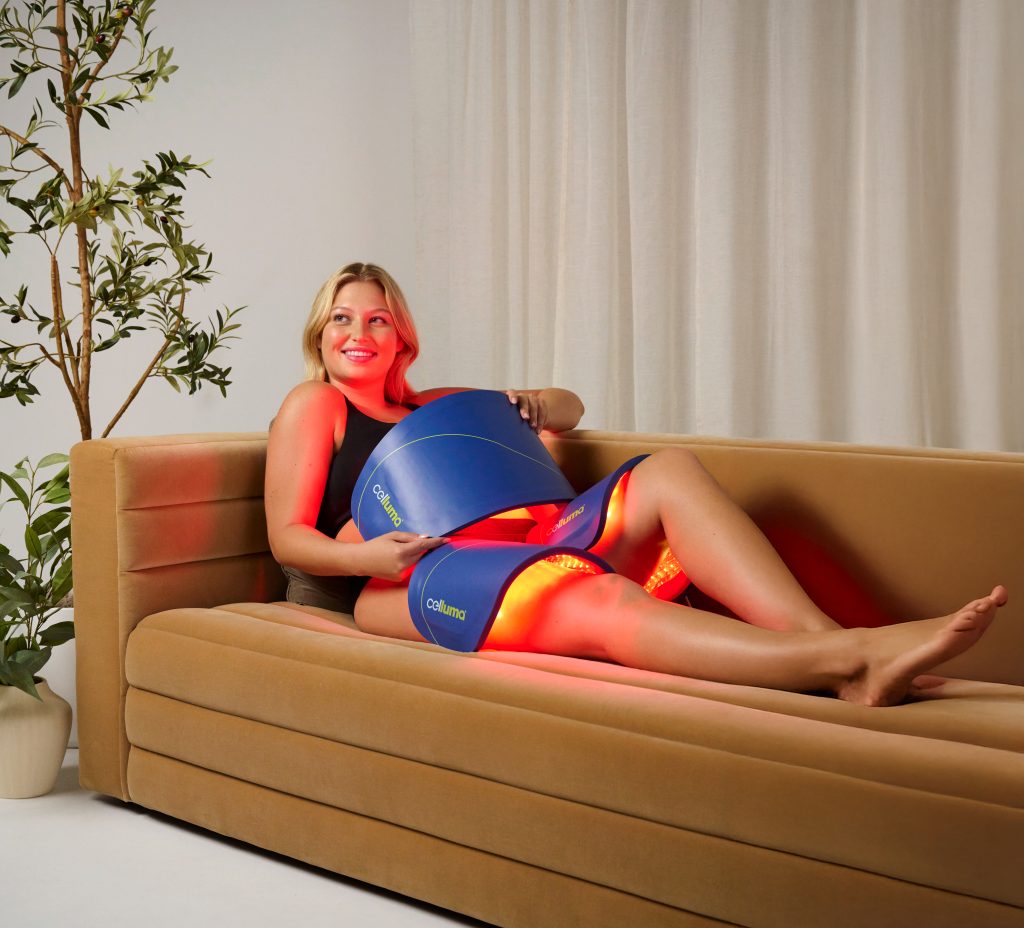
Celluma CONTOUR
Photobiomodulation uses specific wavelengths of light to influence biological activity without creating the controlled injury associated with modalities such as lasers, microneedling or chemical resurfacing. Red and near-infrared light are absorbed by cellular chromophores, with research particularly focused on mitochondrial activity and downstream effects associated with cellular energy and signaling.
In body contouring applications, light-based technology can be used differently than it is for facial rejuvenation. Rather than thinking exclusively about wrinkles or skin quality, professionals can use specific LED protocols designed for non-invasive body contouring.
It is an excellent example of how advanced skincare technology is expanding beyond traditional facial treatments and moving into broader aesthetic and wellness applications.
Celluma CONTOUR Brings LED to More of the Body
The Celluma CONTOUR System is a professional-grade, multi-panel LED light therapy solution designed to expand treatment coverage and practice potential. Featuring one large base panel and two flexible WING panels, it can operate up to three panels simultaneously in the same mode. Four FDA-cleared modes address acne, wrinkles, pain, and body contouring. Its patented shape-taking design conforms comfortably to the body for consistent, even light delivery, helping aesthetic and wellness professionals treat larger areas efficiently in a single 30-minute session.
2. Controlled Injury Meets Cellular Communication
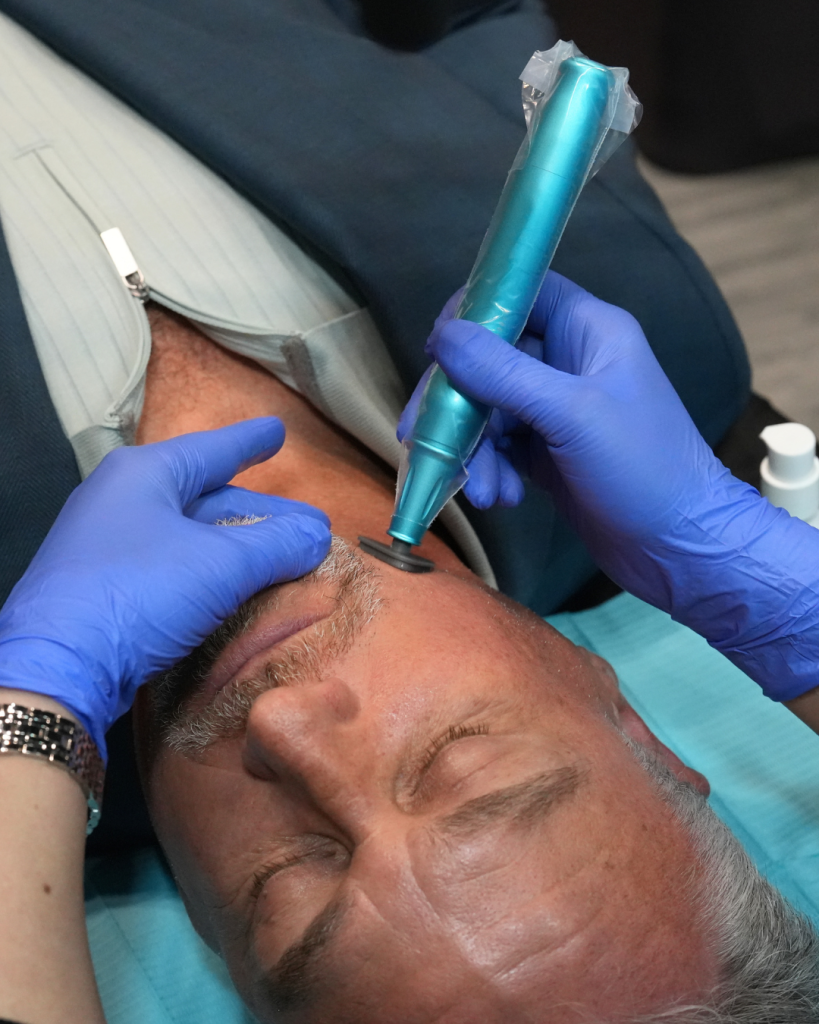
NanoStamp 360™ Microchanneling + Ètrive Exosomes
Few developments demonstrate the evolution of advanced skincare technology quite like pairing microchanneling with exosome technology.
Microchanneling creates controlled micro-injuries that initiate the body’s natural wound-healing response. That response involves an intricate cascade of inflammation, cellular signaling, fibroblast activity, extracellular matrix remodeling, and collagen production.
The channels created during treatment also provide a temporary opportunity for enhanced topical delivery. This is where the conversation around exosomes becomes particularly interesting.
Exosomes are extracellular vesicles involved in cell-to-cell communication. They can carry signaling molecules, including proteins, lipids, and nucleic acids. Their potential role in aesthetics is being investigated for how these signals may influence processes associated with tissue repair and regeneration.
NanoStamp 360™ + Ètrive Exosomes
NanoStamp 360™ is a dual-modality skin and scalp rejuvenation platform that allows professionals to customize treatment depth while creating microchannels that stimulate collagen production and enhance ingredient delivery. Paired with Ètrive™ Exosomes, utilizes extracellular vesicles (EVs) derived from triple-activated mesenchymal stem cells (MSCs). Extracellular vesicles are microscopic cellular messengers involved in cell-to-cell communication and are being extensively studied for their role in tissue repair and regeneration.
Of particular interest in aesthetics is their effect on fibroblasts – the cells responsible for producing collagen and supporting the skin’s extracellular matrix. Étrive’s laboratory testing demonstrated significantly increased Collagen I production in human fibroblasts with its triple-activated MSC-derived exosomes compared with non-activated exosomes, with increases seen in both intracellular and secreted collagen.
Each Étrive treatment contains 1 billion lyophilized EVs, providing a concentrated, stable EV complex that can be incorporated into professional aesthetic treatments such as NanoStamp 360 microchanneling.
3. Enzymes Prove That Exfoliation Does Not Have to Pick a Fight
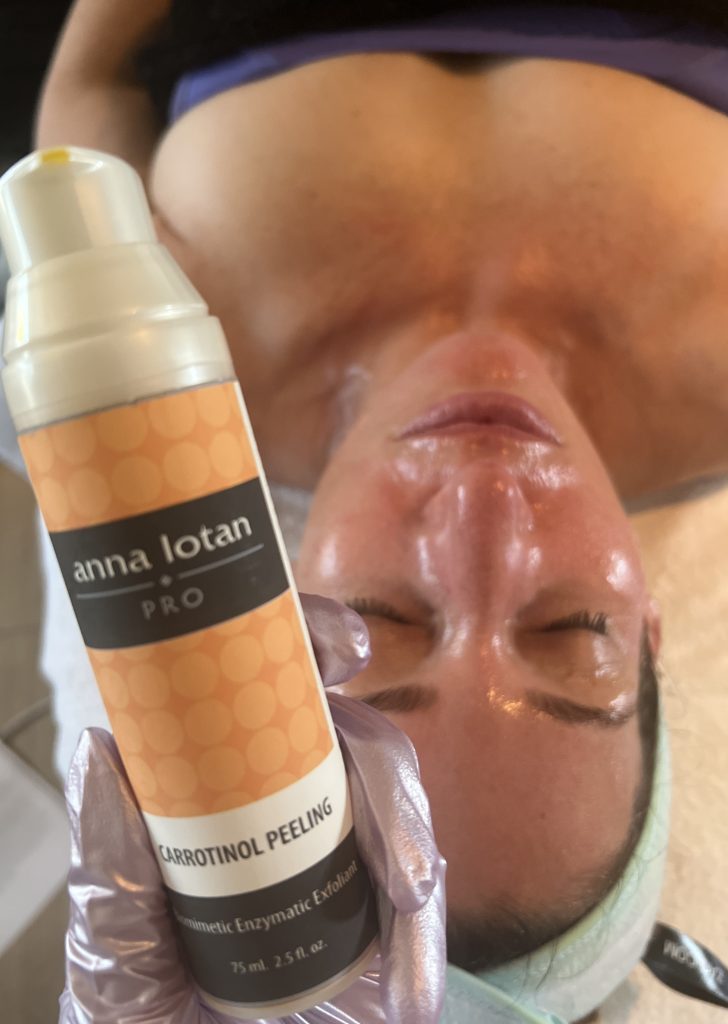
Anna Lotan PRO Date Night Facial + Carrotinol Biomimetic Enzymatic Peel
Regeneration does not always require creating more inflammation.
That distinction matters.
Enzymatic exfoliation works by helping break down keratinized surface material, allowing dead cells to be released without relying on the same mechanisms associated with stronger acid-based or mechanical resurfacing.
Why does that matter for skin regeneration?
Because maintaining barrier integrity can be an important part of creating an environment where skin can function effectively. Removing excess surface buildup while avoiding unnecessary disruption can improve smoothness, luminosity, and product application without requiring significant downtime.
In other words, sometimes science whispers.
Anna Lotan PRO Date Night Facial with Carrotinol Biomimetic Enzymatic Peel
At the heart of the Anna Lotan PRO Date Night Facial is the Carrotinol Biomimetic Enzymatic Peel, which gently dissolves dull surface cells while helping preserve the skin’s lipid barrier. Rather than relying on aggressive exfoliation, its biomimetic approach supports smoother, brighter skin without unnecessary irritation. With the barrier intact, hydration and subsequent product application can be optimized, leaving skin soft, plump, and luminous with no visible peeling or recovery period.
4. When Advanced Skincare Technology Gets Molecular
SkinAct 4D Hyaluronic Serum + MicroLift Pro Microcurrent
Hyaluronic acid has been around long enough that we can sometimes forget just how sophisticated formulation science has become.
Different molecular weights of hyaluronic acid behave differently because molecular size influences where and how the ingredient interacts with the skin. Multi-weight HA formulations are designed to create hydration benefits at different levels of the stratum corneum and skin surface rather than relying on a single form.
Pair that formulation technology with microcurrent and things get even more interesting.
Microcurrent uses low-level electrical currents to interact with tissues and is widely used professionally to support facial toning and aesthetic rejuvenation. A conductive medium is necessary for efficient current transmission between the electrodes and skin, which means the serum is not simply along for the ride.
This is where smart formulation meets smart device technology.
SkinAct 4D Hyaluronic Serum + MicroLift Pro
SkinAct 4D Hyaluronic Serum combines four molecular weights of hyaluronic acid with peptides to support hydration, elasticity, and a smoother appearance while functioning as a conductive serum for the MicroLift Pro Microcurrent Machine. MicroLift Pro delivers adjustable low-level electrical currents through interchangeable electrode probes, allowing professionals to customize treatments across different facial areas. Together, the technologies pair advanced hydration science with bioelectric stimulation in one non-invasive professional treatment strategy.
5. Photobiomodulation Meets Advanced Botanical Actives
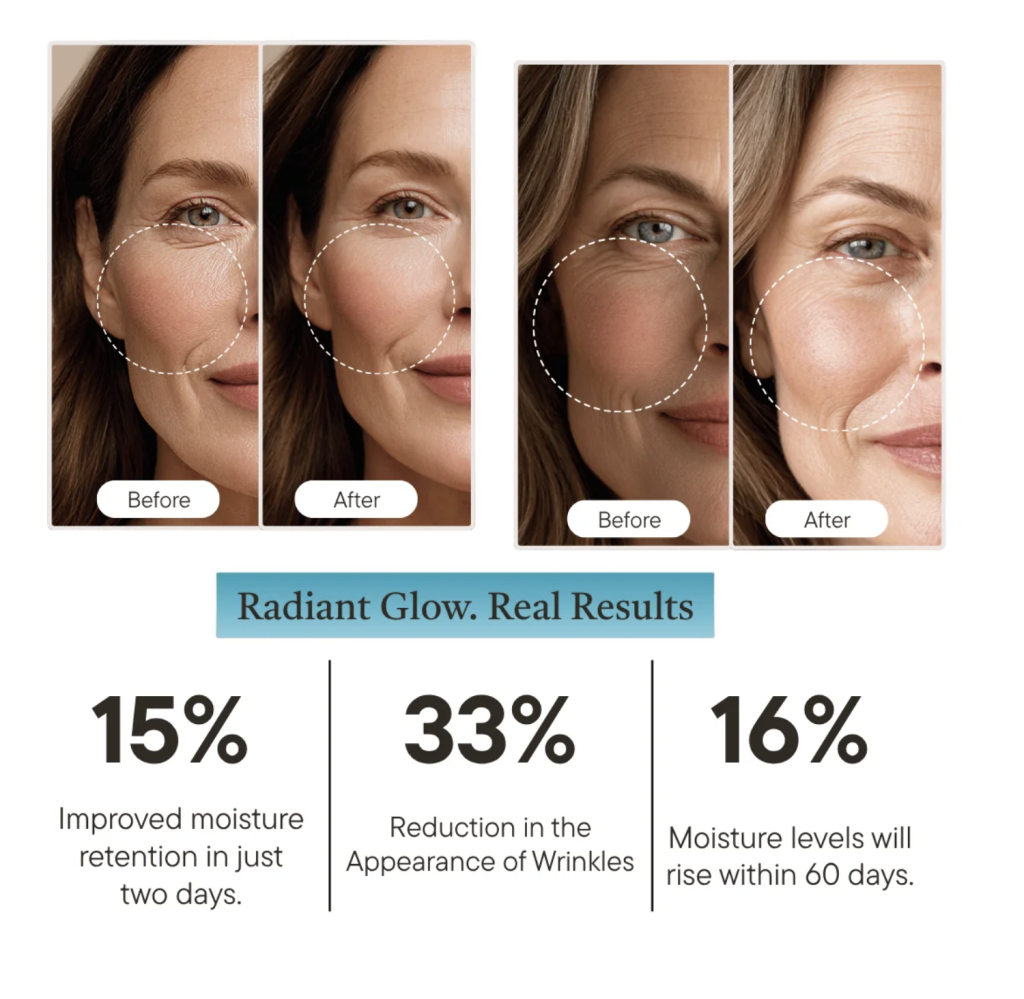
Roccoco Botanicals Phyto LED Treatment
LED is already fascinating on its own. Pairing light with formulas specifically designed around an LED protocol opens another door.
Photobiomodulation uses light to influence cellular processes. In acne protocols, blue light is particularly relevant because of its interaction with acne-associated bacteria, while other wavelengths are used in protocols targeting inflammation, repair and rejuvenation.
The topical side of the equation can then address the surrounding skin environment with ingredients selected for sebum balance, antioxidant activity, soothing and support of skin repair.
This intersection between device technology and ingredient science represents where advanced skincare technology is heading. The future is increasingly about intelligent treatment combinations, not modalities living on lonely little islands.
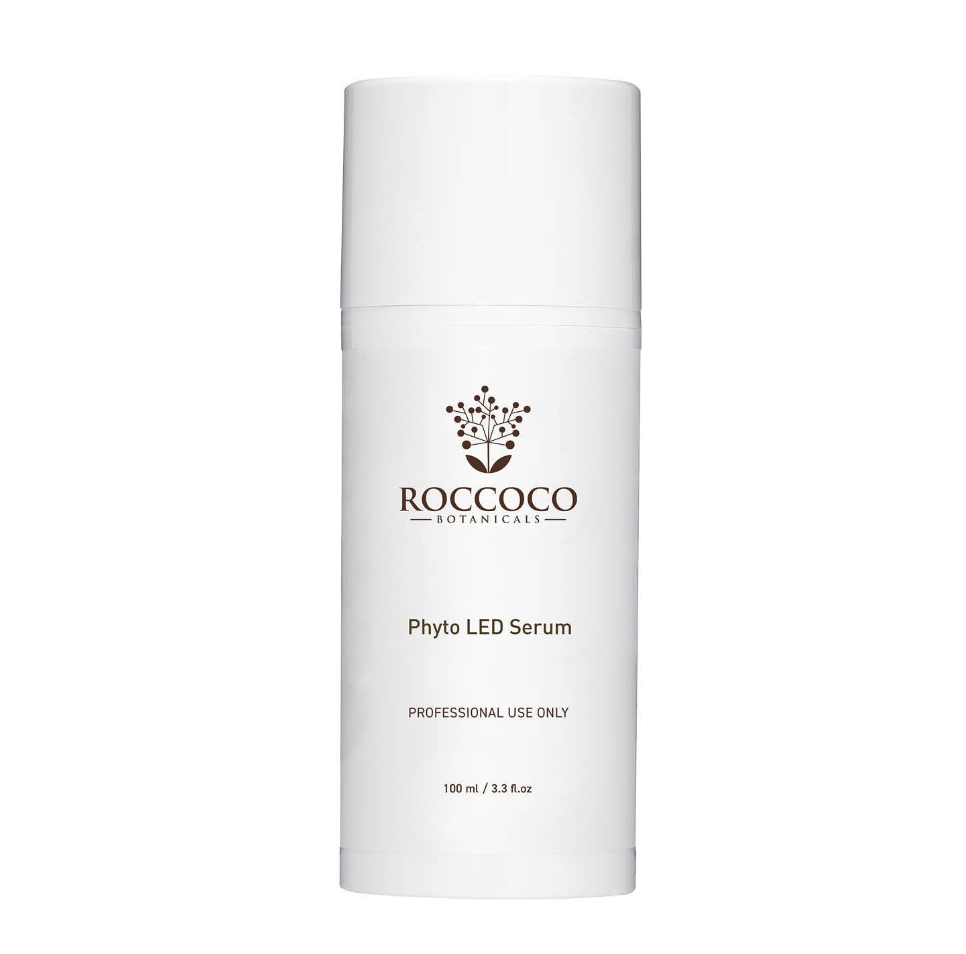
Roccoco Botanicals Phyto LED
Roccoco Botanicals Phyto LED is a professional LED light-activated serum formulated to complement blue LED protocols while addressing active acne, inflammation, and the appearance of acne scarring. Its 99% natural formula combines 18β-glycyrrhetinic acid, broccoli extract, chlorophyllin complex, and botanical actives selected to support sebum regulation, skin calming, and collagen renewal. It gives professionals a non-invasive option for integrating sophisticated botanical chemistry into light-based acne and skin-repair protocols.
6. Growth Factors, Microneedling + Molecular Hydrogen
M.A.D. Advanced CARBONETIX/SYNPLA Growth Factor Facial
If regenerative treatments are about biological communication, growth factors belong squarely in the conversation.
Growth factors are signaling proteins involved in cellular processes including proliferation, differentiation, repair, and extracellular matrix activity. In aesthetic skincare, growth factor technologies are being explored and utilized as part of protocols designed to support the skin during and following treatments that initiate controlled repair.
Add microneedling, and the treatment introduces a controlled wound-healing stimulus while creating temporary microchannels for targeted topical application.
Then there is molecular hydrogen, or H₂, which has attracted scientific interest because of its relationship with oxidative stress and redox biology.
This creates a multi-step approach to skin rejuvenation that considers more than the initial procedure. The goal becomes supporting cellular communication, managing the treatment environment, and helping skin navigate the repair process efficiently.
M.A.D. Advanced CARBONETIX/SYNPLA Growth Factor Facial
The M.A.D. Advanced CARBONETIX/SYNPLA Growth Factor Facial combines microneedling, SYNPLA Growth Factors and molecular hydrogen to support regenerative delivery and biologic repair. The protocol approaches skin rejuvenation from multiple angles, including cellular communication, cellular energy, oxidative stress and tissue repair. By integrating treatment preparation, targeted delivery and recovery support, M.A.D. creates a comprehensive strategy designed to encourage collagen remodeling, improve skin function and support long-term resilience.

The Science Behind the Next Generation of Professional Skincare
Better Technology Requires Better Understanding
The most exciting thing about advanced skincare technology may not be any single ingredient, device, or procedure.
It is the convergence of all of them.
We now have light interacting with cellular processes. Microchannels creating opportunities for controlled wound healing and targeted delivery. Extracellular vesicles entering the conversation around cellular communication. Hyaluronic acid being engineered at multiple molecular weights. Enzymes allowing professionals to rethink exfoliation. Botanical compounds being paired with device protocols. Growth factors and molecular hydrogen adding entirely new dimensions to treatment planning.
Five years ago, much of this would have sounded like the advanced chapter at the back of the textbook.
Today, it is increasingly walking through the treatment-room door.
Science Is Raising the Bar for the Professional
There is one important catch to having access to better science: professionals need to understand it.
More sophisticated technology does not eliminate the need for education. It makes education more important.
Understanding why a modality works, what biological process it is intended to influence, where the evidence is strong, where research is still evolving, and how it fits into a larger treatment plan is what separates chasing trends from practicing advanced aesthetics.
That may be the biggest gift science is giving the medical + spa aesthetics industry right now.
We have more tools. We have more sophisticated technology. We have a rapidly expanding understanding of skin biology.
And we have the opportunity to use all of it to create smarter treatment plans that do more than make skin look better today.
They can support how skin functions tomorrow.