There was a time when correcting a skin concern meant choosing a treatment, addressing the problem, and sending the client home with a moisturizer and some optimistic instructions.
Fortunately, skincare has gotten considerably more sophisticated.
Today’s medical and spa aesthetic professionals have access to an extraordinary range of ingredients, devices, professional treatments, and regenerative technologies. But with more options comes a much bigger responsibility: understanding how to combine them strategically to achieve meaningful improvements without compromising the health of the skin.
Welcome to the October L+A Report: Advanced Skincare Correction, where we’re exploring how the most effective corrective strategies go beyond addressing what we see on the surface, with recommendations from our sponsors: SkinAct, NeurotriS, M.A.D Skincare, Hale & Hush, Mr. Lulu, ID Skin, BioSkin Aesthetics, NanoStamp, and TalaDerma.
Advanced Skin Correction Treatments: Moving Beyond the Surface
For years, corrective skincare focused heavily on removing, resurfacing, exfoliating, and stimulating. These approaches remain valuable, but our understanding of skin physiology has expanded.
We now recognize that effective correction requires balancing therapeutic intervention with the skin’s ability to tolerate, recover from, and respond to treatment.
A patient presenting with hyperpigmentation may also have an impaired barrier, chronic inflammation, or a history of post-inflammatory hyperpigmentation. Someone concerned about wrinkles may be experiencing changes in dermal structure, hydration, and extracellular matrix function.
And a client struggling with persistent redness may need a completely different approach from someone seeking aggressive resurfacing.
The common denominator? Successful correction requires understanding the condition of the skin before selecting the intervention.
Correcting Hyperpigmentation Without Creating More Inflammation
Hyperpigmentation is one of the clearest examples of why aggressive treatment doesn’t always mean better treatment.
Melasma, post-inflammatory hyperpigmentation, and sun-related discoloration can have different underlying mechanisms. Treating them as interchangeable concerns can lead to disappointing results and, in some cases, worsening pigmentation.
A comprehensive strategy may incorporate topical pigment-regulating ingredients, carefully selected chemical peels, professional exfoliation, appropriate energy-based treatments, and consistent broad-spectrum photoprotection.
Ingredients such as tranexamic acid, azelaic acid, niacinamide, retinoids, and vitamin C may play complementary roles depending on the diagnosis and skin tolerance.
The key is controlling inflammation while supporting healthy epidermal turnover. Professionals must also consider skin phototype, pigment depth, hormonal influences, and previous treatment responses before selecting a protocol.
For clients prone to pigmentation, the best treatment isn’t necessarily the most aggressive one. It’s the one that improves discoloration without triggering the very inflammatory processes that contributed to it.
Rosacea and Reactive Skin: Stabilize Before You Stimulate
Rosacea introduces another important consideration: sometimes the most advanced corrective strategy begins with doing less.
Rosacea is a chronic inflammatory skin condition involving vascular reactivity, immune responses, neurogenic inflammation, and epidermal barrier dysfunction. Treating redness as a purely cosmetic concern can overlook these underlying processes.
In his L+A feature, Regenerative Road Map for Rosacea, Dr. Alberto Leguina emphasizes a philosophy of stabilizing the skin before introducing regenerative or corrective interventions.
For skincare professionals, this means prioritizing barrier support, gentle cleansing, hydration, appropriate photoprotection, and trigger management before escalating treatment intensity.
Medical evaluation and appropriate prescription management remain important when rosacea is suspected or active.
Once inflammation is adequately controlled, carefully selected aesthetic treatments may become appropriate. The objective is not to push reactive skin into tolerating more procedures. It’s to create conditions where treatment can be introduced safely and strategically.
Correcting Texture While Supporting Skin Regeneration
Uneven texture can develop from acne scarring, photodamage, abnormal keratinization, aging, or changes in dermal collagen.
Depending on the cause and severity, professionals may consider chemical resurfacing, microdermabrasion, microneedling, fractional energy-based procedures, or combinations of these approaches.
Microneedling, in particular, has become an important treatment in collagen-induction strategies.
During an L+A interview exploring some of medical aesthetics’ most talked-about procedures, Dr. Kay Durairaj shared her enthusiasm for traditional microneedling:
“Cold steel microneedling grows so much collagen, I’m a fan, I’m going to give that a 9 out of 10.”
The appeal is understandable. Controlled microneedling injuries can initiate wound-healing responses associated with collagen remodeling, making appropriately selected protocols useful for certain textural concerns.
However, depth, frequency, treatment indications, skin condition, and practitioner qualifications matter enormously.
More injury does not automatically equal more collagen, and combining multiple procedures requires careful consideration of cumulative inflammation and recovery.
Why Regenerative Skincare Belongs in Corrective Treatment Planning
One of the most significant shifts in aesthetic medicine is the growing focus on tissue health rather than isolated visible signs of aging.
In his L+A editorial, The Extracellular Matrix: The New Frontier in Skin Rejuvenation, Dr. Shino Bay Aguilera explores the importance of the extracellular matrix, the structural environment surrounding cells that helps support tissue architecture and cellular communication.
This matters because collagen, elastin, glycosaminoglycans, fibroblast activity, and inflammatory signaling all influence how skin looks, functions, and responds to treatment.
Corrective treatments may address visible damage, while regenerative-support strategies aim to improve or preserve the biological conditions associated with healthy tissue function.
These approaches are complementary, but they are not interchangeable.
A hydrating moisturizer can improve barrier function and skin appearance without necessarily stimulating new collagen. Microneedling can initiate remodeling, but its effectiveness and safety depend on appropriate technique and patient selection. Emerging regenerative ingredients may show encouraging laboratory findings without yet having sufficient clinical evidence to support broad treatment claims.
Understanding these distinctions helps professionals develop treatment plans grounded in science rather than marketing terminology.
The Shift From Treating Wrinkles to Treating Tissue Health
Dr. Abdulrahman Abdulbaky, MD, MRCS, explores this broader philosophy in Beyond Wrinkles: Redefining Success in Aesthetic Medicine.
His perspective encourages professionals to consider the underlying structural and functional changes associated with aging rather than evaluating success exclusively through individual wrinkles or areas of volume loss.
For medical and spa aesthetic practices, this creates an opportunity to rethink consultations.
Instead of asking only which treatment will improve a particular concern, consider how skin quality, barrier integrity, pigmentation, dermal support, and long-term maintenance fit into the overall plan.
The result is a more comprehensive approach that considers both immediate aesthetic priorities and the ongoing health of the skin.
4 Phases of Corrective and Regenerative Skincare Treatments
Understanding the science behind corrective skincare is one thing. Putting it into practice with the right products, protocols, and technology is where the magic happens.
The good news? Today’s medical and spa aesthetic professionals have more options than ever to customize treatment plans based on individual skin concerns, tolerance, and long-term goals.
From barrier-supportive skincare to precision microneedling, resurfacing protocols, and emerging regenerative technologies, the following L+A sponsors offer examples of how different approaches can fit into a comprehensive corrective program.
Let’s explore where these innovations belong within the four phases of advanced skin correction.
The following sponsored features illustrate potential roles within professional skincare programs. Treatment selection, sequencing, and product compatibility must be assessed individually.
Phase 1: Assess, Prepare and Strengthen the Skin
Before introducing corrective treatments, professionals need to understand what the skin can tolerate.
For clients experiencing sensitivity, redness, dehydration, or barrier impairment, this phase may involve reducing irritation, replenishing moisture, and creating a more stable environment for future treatments.
Because even the most impressive corrective device won’t do much good if the skin isn’t ready for it.
Hale & Hush: Sensitive Skin Treatment Protocol Featuring the Trifecta Kit
Advanced correction starts with a strong foundation.
Advanced correction begins with supporting sensitive skin. Hale & Hush’s Sensitive Skin Treatment Protocol offers customized care for sensitive, sensitized, and rosacea-prone skin, helping soothe discomfort, soften the appearance of redness, and replenish hydration. Featuring the Trifecta Kit—Quiet Wash, Hush Hydrate, and Relief Bio-Powder—this barrier-focused approach combines gentle cleansing with calming moisture support. Professional treatments tailored to individual tolerance, paired with consistent home care, help maintain skin comfort and moisture balance while establishing a foundation for ongoing corrective skincare programs.

Phase 2: Targeted Correction and Professional Treatment
Once the skin is appropriately prepared, it’s time to address the concerns that brought the client into the treatment room.
Hyperpigmentation, uneven texture, visible signs of aging, and loss of facial definition may require very different approaches.
This is where professional resurfacing treatments, microneedling, and non-invasive technologies offer opportunities for targeted correction.
The goal isn’t to use every device in the treatment room. It’s to select the modality that best addresses the client’s needs.
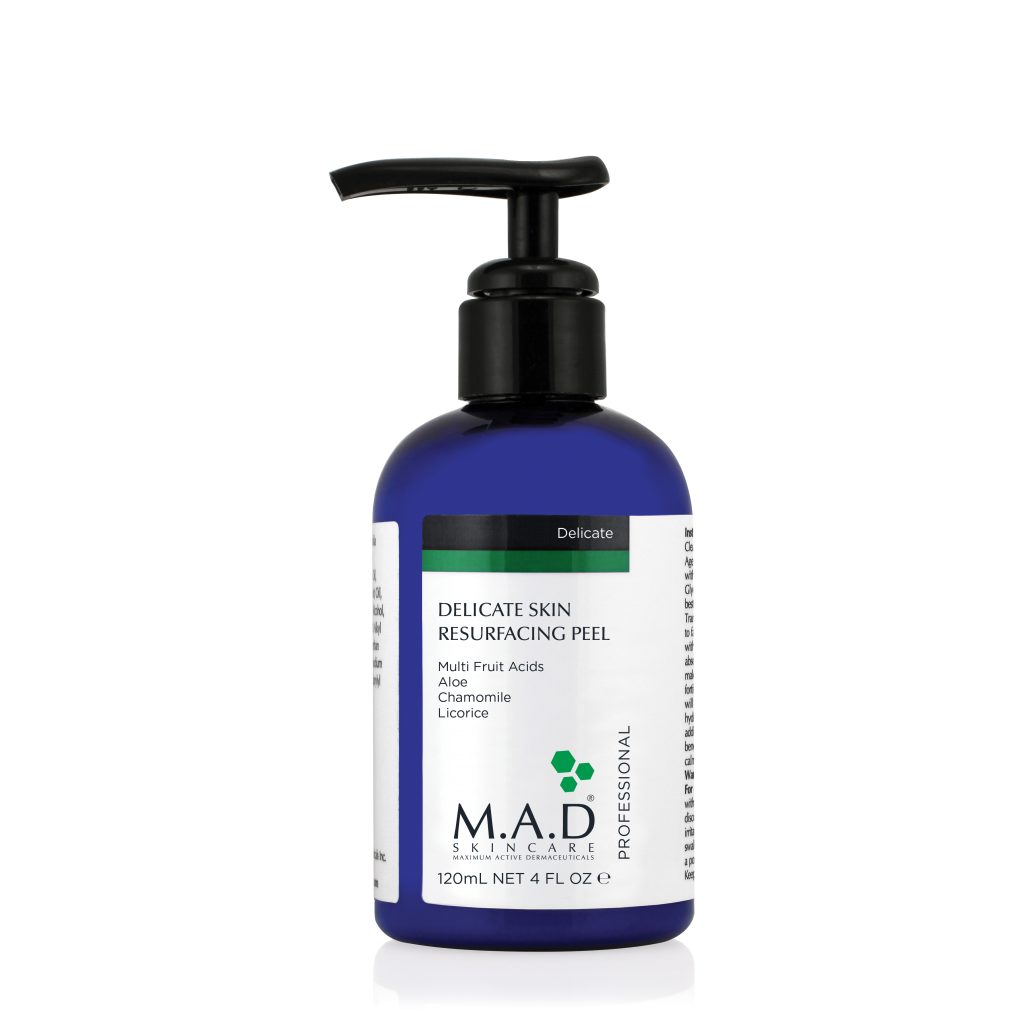
M.A.D Skincare: Delicate Skin Resurfacing Peel
Delicate Skin and Advanced Correction
While resurfacing delicate, sensitive skin may seem counterintuitive, controlled exfoliation is essential to achieving advanced skin correction while preserving barrier integrity. M.A.D Skincare’s Delicate Skin Resurfacing Peel utilizes a multi-fruit acid complex to reduce corneocyte cohesion, normalize desquamation, and promote epidermal turnover without excessive inflammatory stimulation. Chamomile, licorice, and aloe provide anti-inflammatory and hydrating support to minimize reactivity and maintain barrier homeostasis. This precision-based approach improves texture, tone, and clarity while preserving epidermal integrity and skin resilience.
Mr Lulu: Pigment Control Microneedling Protocol
A targeted approach to tone, texture, and visible pigmentation irregularities.
Refine texture, improve skin clarity, and support a more even-looking complexion.
This advanced & holistic microneedling treatment combines signature techniques and protocols designed to address pigmentation irregularities and uneven skin tone. It helps improve the appearance of post-acne marks, uneven texture, and dullness. Suitable for all skin tones. Recommended series: 3 treatments, spaced 30 days apart.

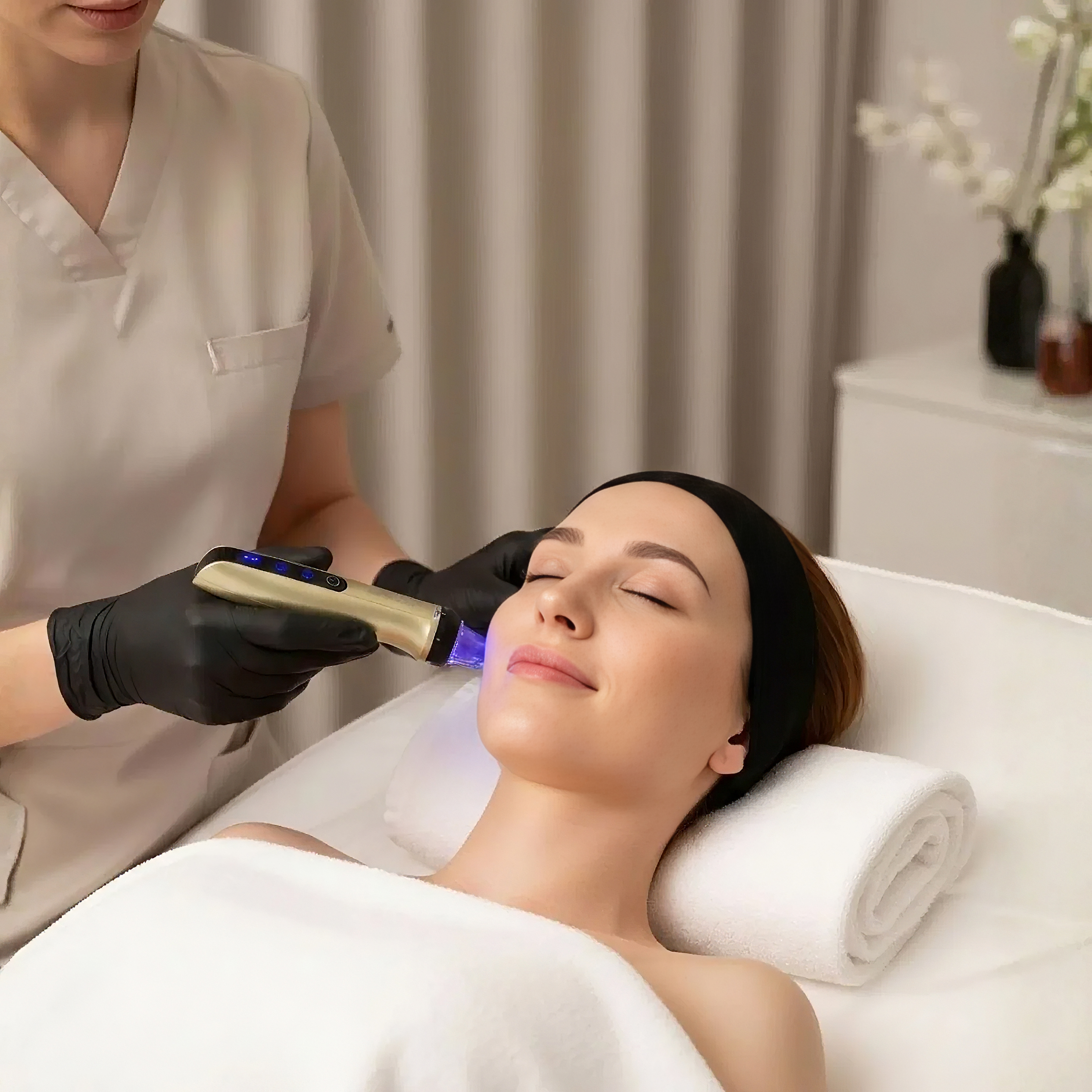
SKINACT: Pro Wireless Microneedling Pen With EMS & Light Therapy
Discover advanced skincare technology with the SKINACT Pro Wireless Microneedling Pen With EMS & Light Therapy. This professional, cordless device combines precision microneedling, adjustable EMS technology, and red and blue LED light therapy to support skin rejuvenation and improve the appearance of fine lines, uneven texture, and skin laxity. Featuring adjustable needle depths, five speed settings, and an auto-pause sensor base, it integrates seamlessly into professional facial treatments, helping estheticians expand their service offerings and enhance their skincare business.
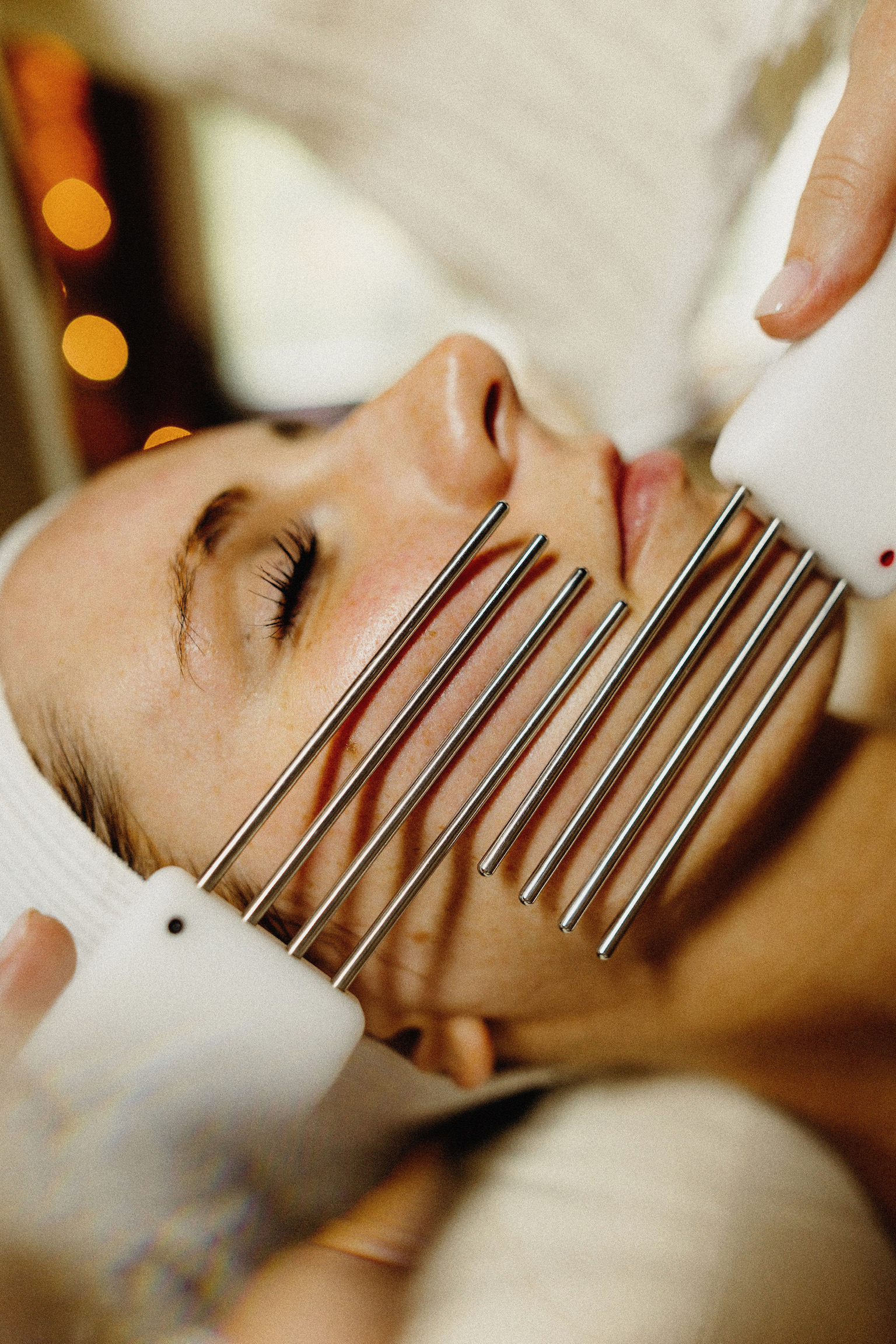
NeurotriS: SX3800 Dynamic Intelligent Microcurrent Machine With SX Quad Pico Probes
Facial rejuvenation is all about the details: crow’s feet, lip lines, jowls, and contours that have lost definition.
The NeurotriS SX3800 combines four independent microcurrent channels with patented Skin Composition Analysis technology to monitor skin impedance during treatment.
Paired with our signature four-prong Pico Probes, it gives skincare professionals precise control for targeted lifting, toning, and sculpting.
For providers looking to address more challenging signs of facial aging, this is where advanced dynamic intelligent microcurrent meets the art of non-invasive facial sculpting.
Phase 3: Support Recovery and Regenerative Processes
Corrective treatments are only part of the equation. What happens afterward can influence how comfortably the skin recovers and how the overall treatment plan progresses.
This phase brings attention to post-procedure care, collagen remodeling, cellular communication, and emerging regenerative technologies.
It’s also where treatment planning becomes especially important. Some supportive products may be appropriate immediately after a procedure, while others require intact skin or additional recovery time.
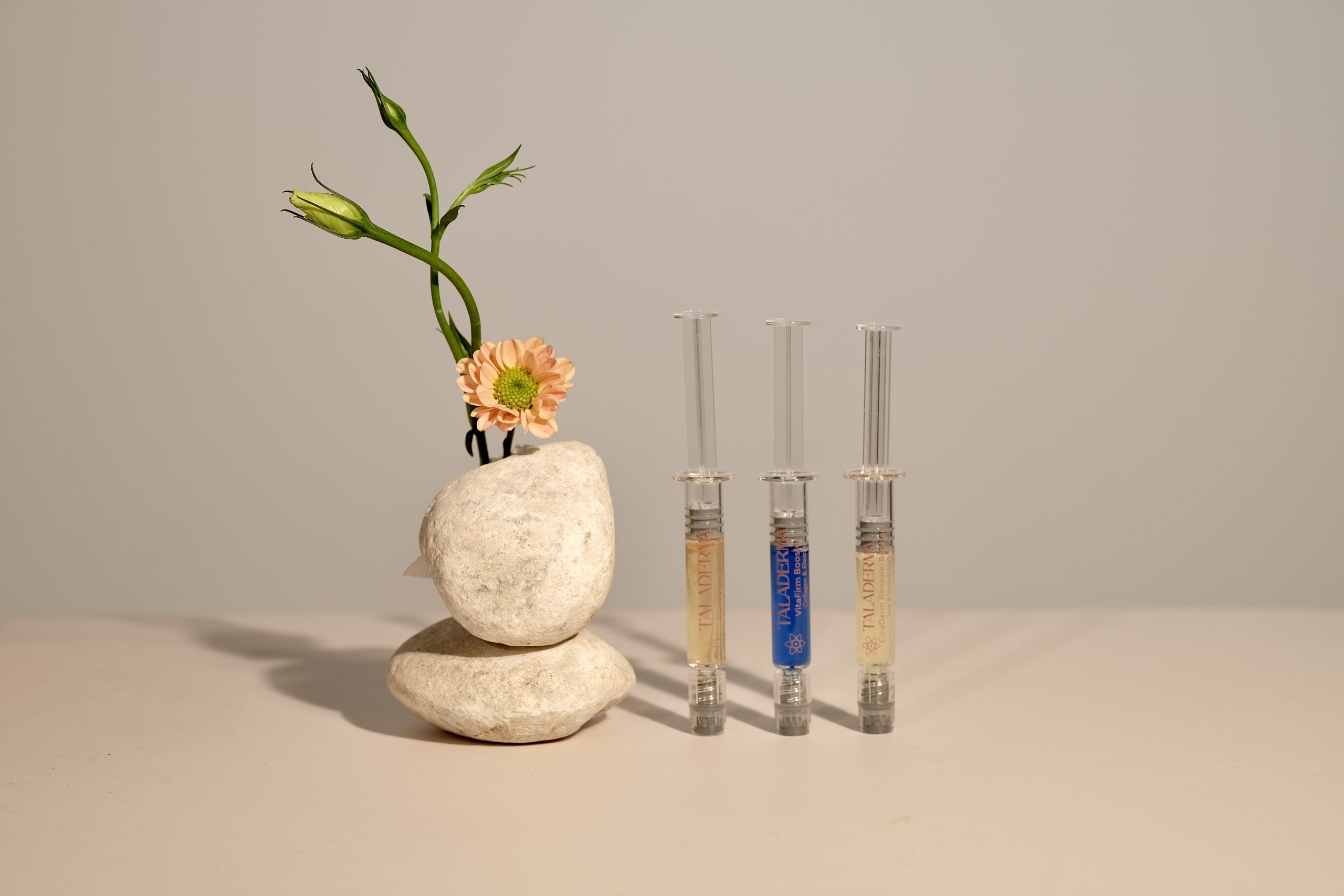
TalaDerma: Professional Skin Boosters
You customize the procedure. Why not what comes after?
From microneedling and chemical peels to compatible laser treatments, corrective procedures are tailored to individual skin needs. Post-treatment care deserves the same consideration. TalaDerma Professional Skin Boosters offer three targeted formulations: VitaFirm for visible firmness and texture, LumiVive for uneven tone, and CicaDerm for skin comfort and barrier support. Each combines NAD+ with carefully selected ingredients to address distinct skin priorities, allowing professionals to personalize topical care alongside the treatments they already trust.
NanoStamp 360™ + Ètrive™ Exosomes
Microchanneling and emerging regenerative science enter the conversation.
NanoStamp 360™ is a dual-modality skin and scalp rejuvenation platform that allows professionals to customize treatment depth while creating microchannels that stimulate collagen production and enhance ingredient delivery. Paired with Ètrive™ Exosomes, utilizes extracellular vesicles (EVs) derived from triple-activated mesenchymal stem cells (MSCs). Extracellular vesicles are microscopic cellular messengers involved in cell-to-cell communication and are being extensively studied for their role in tissue repair and regeneration.
Of particular interest in aesthetics is their effect on fibroblasts – the cells responsible for producing collagen and supporting the skin’s extracellular matrix. Étrive’s laboratory testing demonstrated significantly increased Collagen I production in human fibroblasts with its triple-activated MSC-derived exosomes compared with non-activated exosomes, with increases seen in both intracellular and secreted collagen.
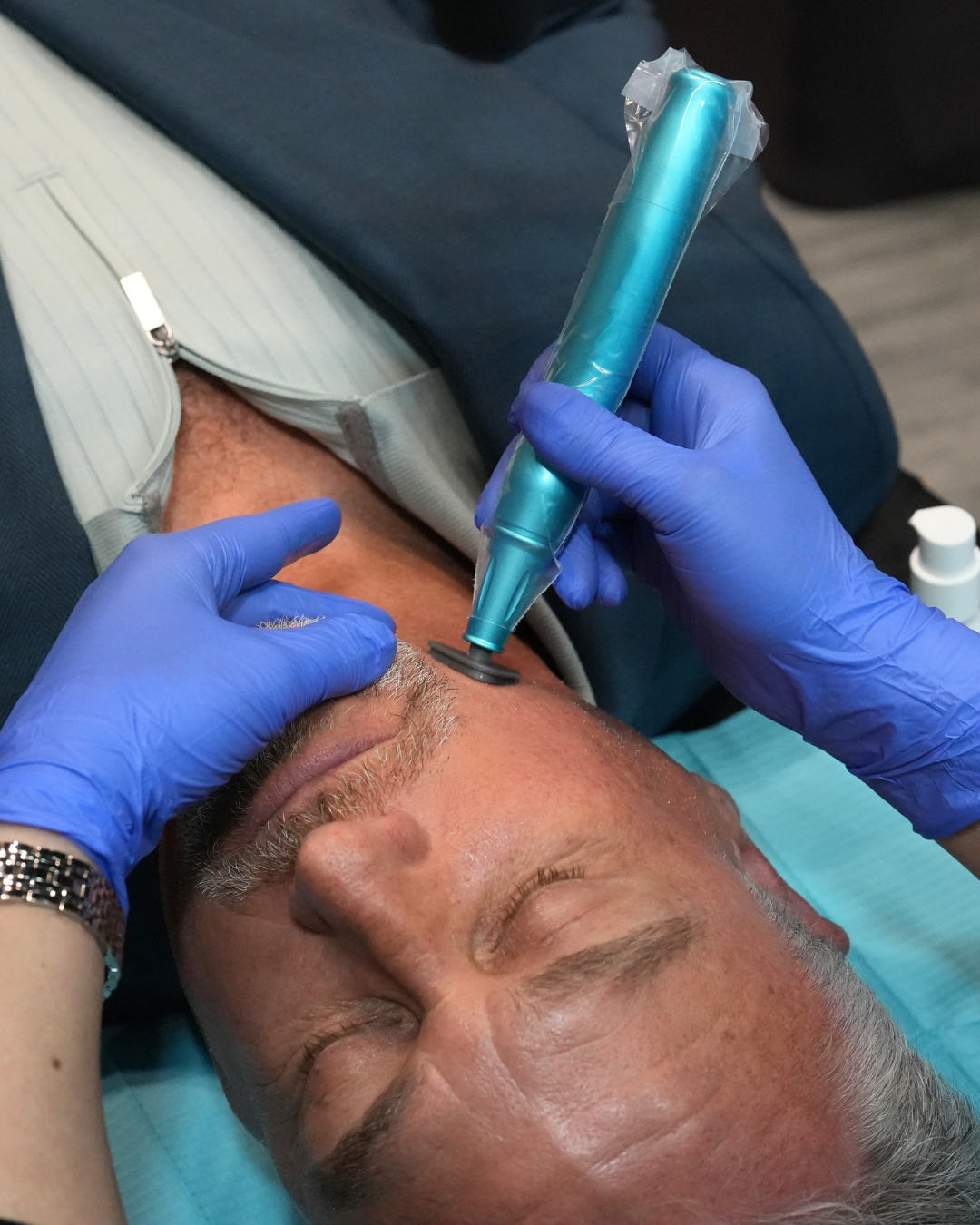
BioSkin Aesthetics: The Correct + Regenerate Protocol
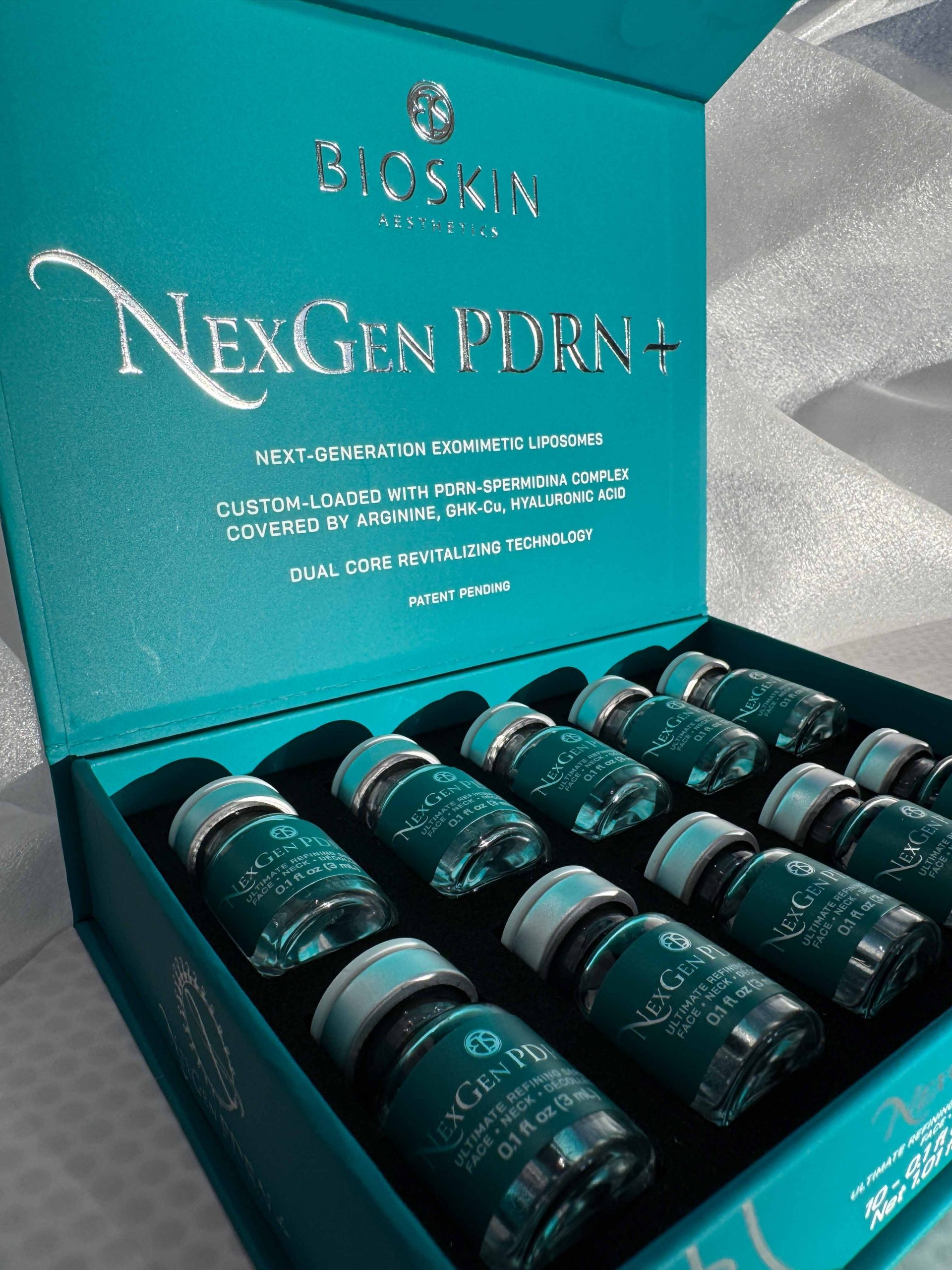
The Correct + Regenerate Protocol combines both in a single visit. A topical BioRePeelCl3 BLUE application (biphasic 30% TCA) first targets pigmentation, texture, and congestion with no social downtime. Treatment continues with the BioTouch Aero, the wireless microneedling device engineered for consistent force and depth, using NexGen PDRN+ as the glide. Its dual-phase PDRN, GHK-Cu, and bioidentical lipids, sterilized with our patented NTS (non-thermal stress) technology, keep refinement building for days. Sessions are spaced four weeks apart, with BLUE topical visits at two weeks.
Phase 4: Maintain Results With Strategic Home Care
A great professional treatment can initiate visible improvements. A great home-care program helps clients maintain them.
This phase focuses on protecting the progress made during professional treatments through consistent hydration, antioxidant support, barrier maintenance, and appropriate corrective ingredients.
Because skincare results shouldn’t disappear between appointments.
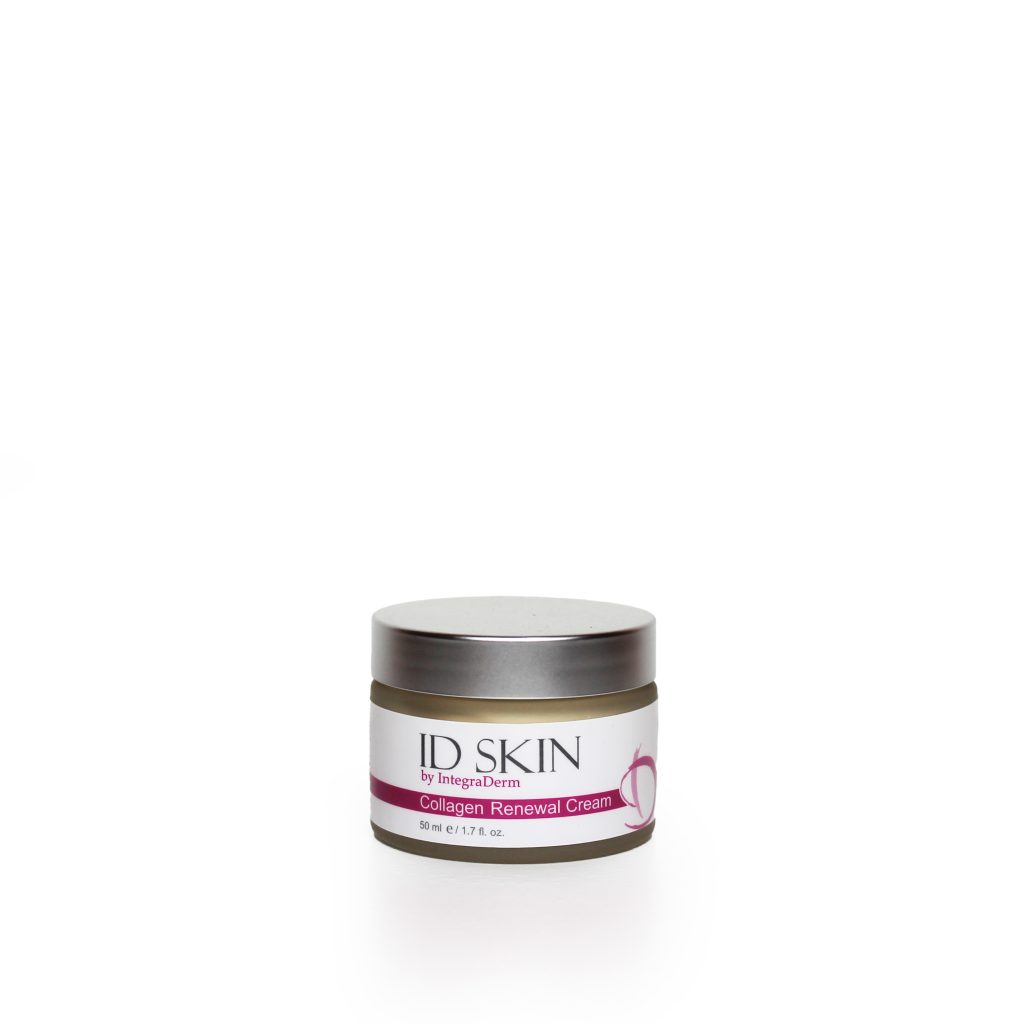
ID Skin Pro: Collagen Renewal Cream
ID SKIN Pro’s Collagen Renewal Cream combines four science-driven ingredients. Topical Collagen provides film-forming and moisture-binding benefits, improving skin’s smooth appearance. Vitamin C offers antioxidant properties and promotes a brighter-looking complexion. Alpaflor® Edelweiss, rich in polyphenols, provides antioxidant and skin-conditioning benefits. Sacha Inchi Seed Extract, a source of essential fatty acids, helps nourish skin and maintain moisture. Together, these ingredients promote hydration, improve the appearance of fine lines, and leave skin looking supple and radiant.
The Future of Skin Correction Is Smarter, Not Necessarily Stronger
The most exciting development in professional skincare isn’t simply the introduction of another device, another ingredient, or another treatment claiming to deliver dramatic results.
It’s the growing understanding that advanced skin correction treatments work best when they are selected as part of a thoughtful, individualized strategy.
Corrective treatments can address visible concerns. Supportive care can help protect the barrier and maintain the skin’s capacity to tolerate treatment. Regenerative science offers important opportunities to better understand tissue remodeling, cellular communication, and long-term skin quality.
But none of these approaches should operate independently of proper assessment, clinical evidence, and realistic expectations.
For medical and spa aesthetic professionals, the opportunity is to become more than providers of individual services. It’s to become trusted guides who understand when to correct, when to support, when to refer, and when the best decision is to allow the skin more time.
Because the future of advanced skincare correction isn’t about doing everything to the skin.
It’s about knowing exactly what the skin needs, when it needs it, and why.