“Can you make my skin brighter?”
It sounds like a simple request.
It is not.
When a client sits down in your treatment room complaining that her skin looks dull, uneven, blotchy, or simply “blah,” the first job is not choosing a brightening serum. It is figuring out what you are actually looking at.
Is accumulated keratin making the skin appear dull? Is post-inflammatory hyperpigmentation hanging around after acne? Are years of UV exposure showing up as visible discoloration? Is dehydration exaggerating texture? Is congestion preventing the smooth reflection of light that clients associate with “glow”? Has inflammation contributed to uneven tone? Or is the client dealing with several of these issues simultaneously?
Welcome to professional skincare, where “I just want to glow” can turn into a full investigative documentary.
That is exactly why professional hyperpigmentation protocols should not begin with a modality. They should begin with the condition being treated. There are protocols from M.A.D Skincare, SkinAct, KM Herbals, Hale & Hush, Rezenerate, and BioSkin Aesthetics.
Chemical peels, microdermabrasion, dermaplaning, NanoInfusion, and microneedling can all play important roles in improving the appearance of tone, texture, and discoloration. But they do very different jobs. The opportunity for medical and spa skincare professionals is understanding how to match the treatment strategy to the skin concern, then combine resurfacing, targeted ingredients, recovery support, and home care intelligently.
Professional Hyperpigmentation Protocols Should Start With the Skin Concern
Before reaching for an acid, blade, diamond tip, or device, identify the problem.
Hyperpigmentation itself is an umbrella term, not a diagnosis. A client may be concerned with post-inflammatory hyperpigmentation following acne, visible sun damage, age-related discoloration, melasma, or an overall uneven appearance. Pigmentation is also biologically complex. Melanin production is only part of the conversation. Inflammation, oxidative stress, melanosome transfer, and cellular signaling may also influence what professionals see clinically.
That is why L+A recently explored the importance of looking beyond tyrosinase when addressing pigmentation. Pigment correction is rarely a one-pathway conversation.
Then there is texture.
Roughness, superficial buildup, enlarged-looking pores, fine lines, and acne-related textural irregularities can interfere with how light reflects from the skin. Translation: sometimes the client asking for “brightening” actually needs strategic exfoliation.
The best treatment plan may therefore address multiple concerns at once. Here is where the treatment toolbox gets interesting.
Chemical Peels: For Discoloration, Dullness, Texture and Post-Acne Marks
Chemical peels remain one of the most versatile tools available to skincare professionals because formulations, acid combinations, and strengths can be selected for different concerns and skin conditions.
For a client presenting with dullness and superficial buildup, controlled chemical exfoliation can help remove accumulated surface cells and encourage turnover. For uneven-looking tone and post-inflammatory discoloration, a peel may be paired with ingredients targeting pigment pathways. For aging clients, the objective may include texture, fine lines, and overall luminosity.
The operative word is controlled.
Pigmentation and inflammation have a complicated relationship, particularly in skin prone to PIH. More aggressive does not automatically mean more corrective. A professional’s ability to select the appropriate peel, prepare the skin, monitor the response, and support recovery is every bit as important as the percentage printed on the bottle.
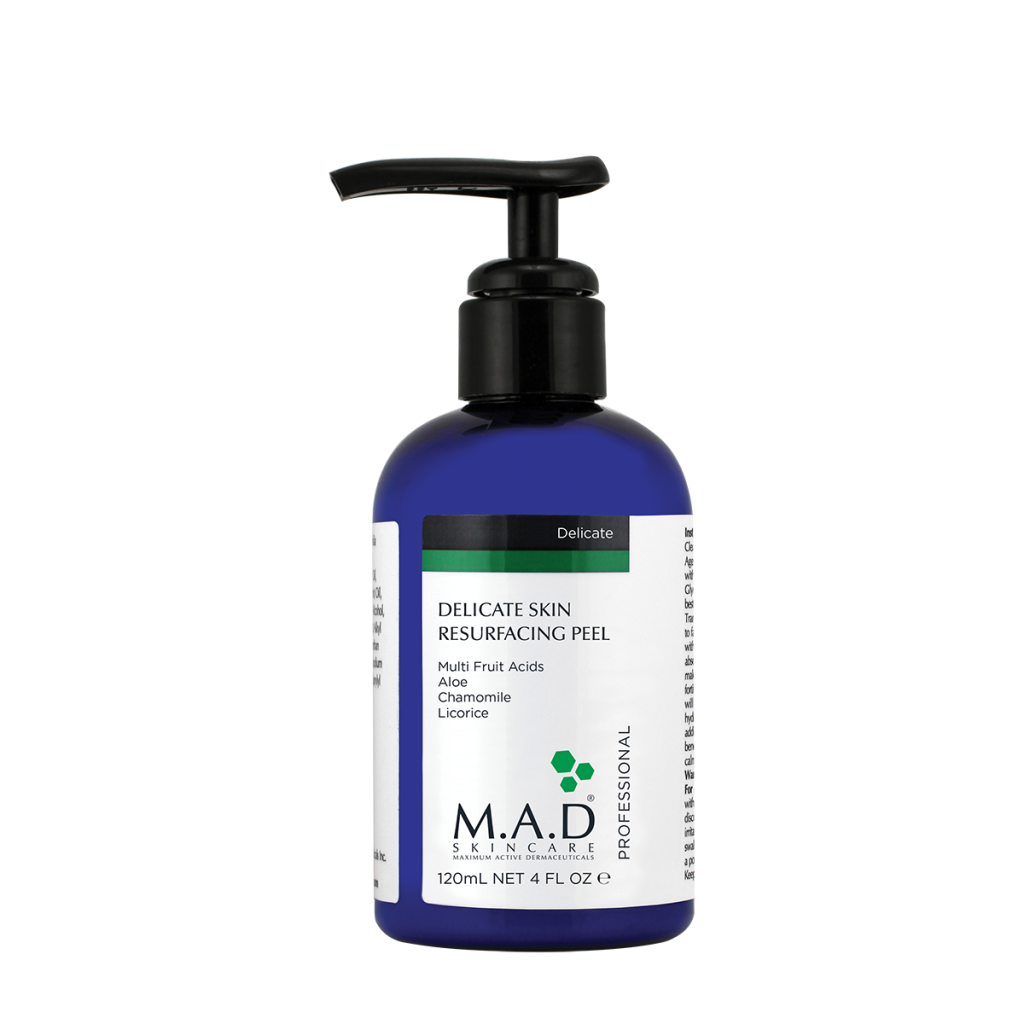
That makes options such as M.A.D Skincare’s Delicate Skin Resurfacing Peel, BioSkin Aesthetics BioRePeelCl3, and Hale & Hush BeeDazzle Revitalize interesting tools within broader professional hyperpigmentation protocols.
Meet the All-New M.A.D CARBONETIX Brightening and Resurfacing Facial

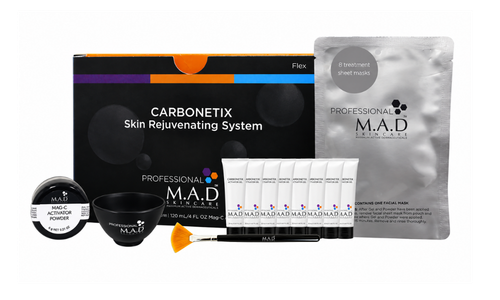
The all-new brightening and resurfacing facial was developed to address uneven tone, dullness, textural irregularities, and visible discoloration through a multi-phase professional protocol.
Controlled exfoliation helps reduce accumulated surface cells and encourage cellular turnover. Targeted brightening ingredients address pathways involved in excess melanin production and pigment accumulation. Calming ingredients help manage the inflammatory response, while antioxidants help address oxidative stress. Hydrating and restorative ingredients then support the barrier following resurfacing.
And right in the middle of the treatment is CARBONETIX.
L+A first experienced M.A.D Skincare’s CARBONETIX technology following its 2025 global launch at IMCAS Paris. The professional platform uses two chemical reactions to release CO₂ and molecular hydrogen, H₂, with the goal of boosting circulation and supporting increased bioactivity at the cellular level.
For this new protocol, M.A.D is pairing that technology with its resurfacing. Then the resurfacing begins. M.A.D Four Fruit Enzyme Exfoliating Mask with Pumice combines enzymatic and physical exfoliation before the application of Delicate Skin Resurfacing Peel.
Microdermabrasion: For Surface Buildup, Rough Texture and Dullness
Microdermabrasion may not be the newest modality in the treatment room, but longevity should not be confused with irrelevance.
This workhorse can be especially useful when superficial buildup, rough texture, and lack of luminosity are contributing to a client’s concerns. By mechanically exfoliating the stratum corneum, microdermabrasion can create an immediately smoother-looking surface while also preparing the skin for subsequent professional products.
It can also be incorporated into combination treatments when appropriate. L+A has previously explored how professionals are using microdermabrasion as a high-performance spa treatment, including combinations with professional skincare and other modalities.
For the client who says, “My skin just looks tired,” sometimes the answer is not more complicated. Sometimes that skin needs a very well-planned polish.
SkinAct’s Resurfacing and Brightening Facial with Microdermabrasion and LED Light Therapy
SkinAct has introduced its Resurfacing + Brightening Multi-Modality Protocol, a five-step professional treatment strategy that combines cleansing, crystal microdermabrasion, green LED light therapy, Vitamin C, and at-home LED maintenance.
The goal is to give aesthetic professionals a resurfacing and brightening facial that approaches texture, uneven-looking tone, luminosity, and ongoing maintenance as interconnected parts of the same treatment plan.
Healthy-looking skin is not defined by texture alone. A client can have beautifully smooth skin and still be concerned about uneven-looking tone, visible pigmentation, or dullness.
The reverse is also true.
This is where multi-modality treatments become particularly interesting for professionals. Instead of expecting one device or product to do everything, SkinAct’s protocol assigns a specific job to each step:
Cleanse + Prepare → Resurface → Target Tone → Brighten + Hydrate → Maintain
The concept also aligns with a larger shift we have been following at L+A. Modern treatment plans increasingly combine devices and professional skincare rather than treating them as separate categories.
We explored this evolution in our feature on SkinAct’s professional serums and post-treatment infusion, where SkinAct demonstrated how its serums could be incorporated following modalities including microdermabrasion, chemical peels, microneedling, and LED.
Now the brand is putting that philosophy into a complete tone + texture protocol.

Combine Microdermabrasion and NanoInfusion with Hale & Hush’s BeeDazzle Revitalize
The Hale & Hush Refined, Calmed, and Corrected Age Management Protocol with Rezenerate Nano Facial takes a smart, barrier-conscious approach to resurfacing and brightening by pairing BeeDazzle Revitalize – The result is a multi-step professional treatment designed to refine texture, improve clarity and brightness, revitalize dull, dry skin, support healthy cell turnover, and strengthen the skin barrier, proving that professionals can pursue visible correction without making aggressive resurfacing the entire treatment strategy.
Brightening is no longer about aggressively chasing pigment. A modern approach combines controlled resurfacing, targeted ingredients, and complementary modalities while protecting skin barrier health. Hale & Hush customizable professional protocols layer products like Clarify Wash, Rare Mandelic Serum, BeeDazzle Revitalize, Eye Mousse, and Charcoal Clarify Mask with DiamondTome microdermabrasion or Rezenerate nanotechnology. By strategically addressing cellular turnover, congestion, texture, and uneven tone while supporting recovery, professionals can create visible brightening results without compromising the skin’s long-term health.
Dermaplaning: When Dead Skin and Texture Are Stealing the Glow
Dermaplaning occupies an interesting space in professional hyperpigmentation protocols because it is not primarily a pigment treatment. Its value comes from addressing some of the surface conditions that can make pigmentation and dullness appear more pronounced.
By removing superficial dead skin cells and vellus hair, dermaplaning creates a smoother surface and can instantly improve the appearance of luminosity. It also creates an opportunity to follow the resurfacing step with carefully selected professional products based on the client’s needs.
Think dry, dull, mature, or rough-textured skin where the goal is not simply to “remove stuff,” but to create a better canvas for the rest of the facial.
And because no client has ever complained that her skin looked too smooth and luminous, there is that.
Dermaplaning Meets Botanical Brightening: KM Herbal’s Midnight Bloom Facial
The KM Herbals Midnight Bloom Dermaplaning Facial Protocol is a 60-minute treatment that pairs professional dermaplaning with botanical skincare to reveal smoother, brighter, and healthier-looking skin while supporting the skin barrier. The experience begins with a grounding welcome ritual followed by a double cleanse, Rosemary Hydrosol Toner, and skin analysis. During dermaplaning, Midnight Bloom Oil can be applied in a very thin layer for mature, dry, dehydrated, or sensitive skin, allowing the professional to customize the technique based on the client’s skin condition.
Customization continues after resurfacing with a KM Herbals mask selected according to the client’s treatment goals, including brightening, hydrating, clarifying, calming, or corrective enzyme options. A Celluma LED treatment adds another layer of personalization, with blue light for acne-prone or congested skin or red light to support rejuvenation and healing. Midnight Bloom Oil returns for the finishing massage before moisturizer and broad-spectrum SPF complete the service. It’s a smart example of how dermaplaning can become more than an exfoliation treatment by combining resurfacing, targeted brightening, botanicals, and technology in one customizable facial.

NanoInfusion: When Better Product Integration Is the Goal
Not every client needs another layer removed.
That sentence may deserve to be printed and hung in a few treatment rooms.
When the skin has already been appropriately exfoliated, or when aggressive resurfacing is not the objective, NanoInfusion gives professionals another strategy. Rather than making “stronger” the goal, the treatment conversation can shift toward product integration and customization.
That can be particularly useful for dullness, uneven-looking tone, dehydration, and texture concerns when professionals want to incorporate targeted brightening, antioxidant, or hydrating formulas into a customized service.
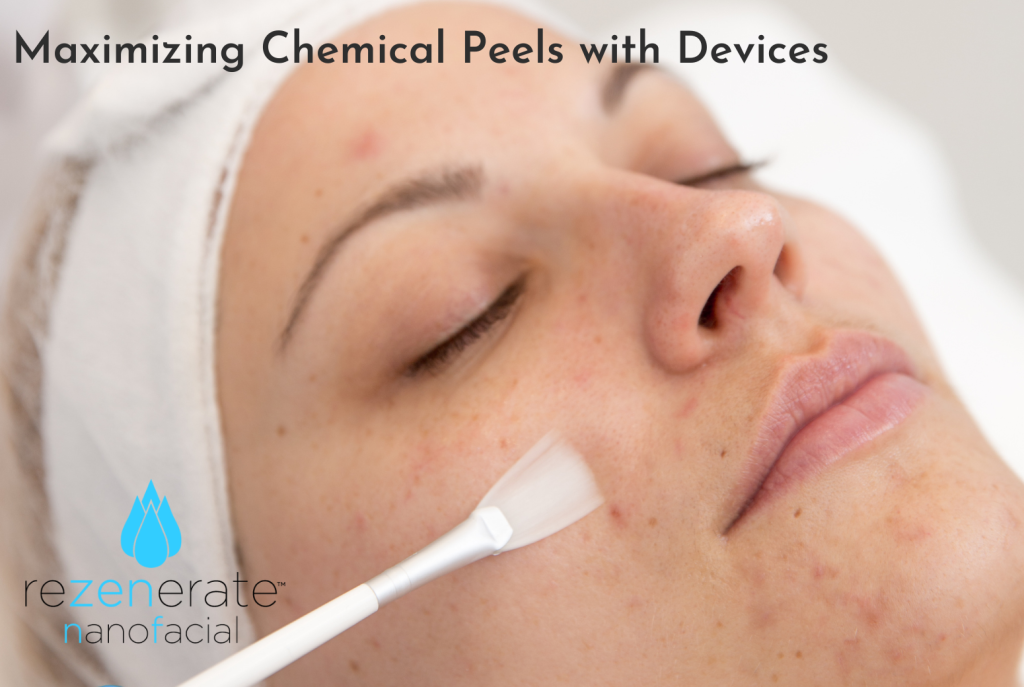
Resurface, Infuse, Recover: Rezenerate Takes Brightening Beyond Exfoliation
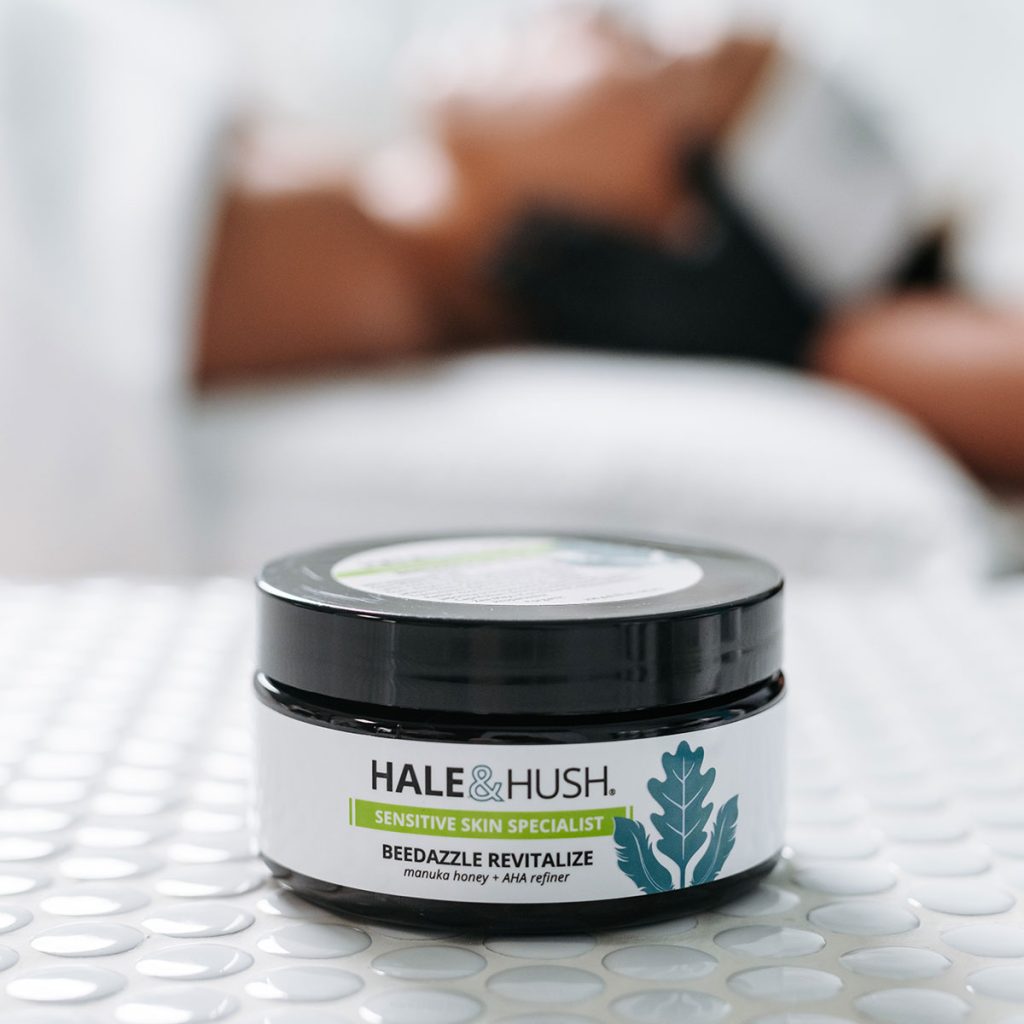
Brightening does not have to become a competition to see how much exfoliation the skin can tolerate. The Hale & Hush Refined, Calmed, and Corrected Age Management Protocol with Rezenerate Nano Facial demonstrates a more strategic approach by pairing controlled resurfacing with NanoInfusion, targeted professional products, and barrier-conscious recovery. The treatment begins with a double cleanse before BeeDazzle Revitalize provides the resurfacing step with 10% mandelic acid and 5% lactic acid, paired with Manuka Honey to help nurture the skin.
Then Rezenerate gets to work. Following exfoliation, the protocol spot-treats with Rezenerate No More Needles, applies Hale & Hush Rare C Serum to the rest of the face, and incorporates High Rez Glide with the Rezenerate Nano device. From there, Berry Boost Mask with Relief Bio-Powder, Fresh Breeze, HydroMelon Cream, and SPF round out the service. The bigger takeaway for professionals is how easily NanoInfusion can become the bridge between resurfacing and recovery. Rather than relying on exfoliation alone to address dullness, uneven tone, and texture, the protocol combines resurfacing with enhanced product absorption, targeted correction, hydration, and calming support. Rezenerate describes its NanoFacial system as a noninvasive approach designed to improve product absorption without needles or downtime, making it a compelling addition when the goal is brighter-looking skin without simply reaching for a more aggressive peel.
Microneedling + Peels: When Texture and Pigmentation Need a More Advanced Conversation
In medical aesthetic settings and where permitted by scope of practice, microneedling expands the conversation beyond superficial exfoliation.
Clients rarely arrive with one perfectly isolated concern. The patient concerned about post-acne discoloration may also have acne scarring and textural irregularities. The patient worried about visible sun damage may also be noticing fine lines and declining skin quality. The treatment plan therefore has to consider the complete clinical picture.
Microneedling can be used strategically within a larger treatment program to address texture and support skin remodeling. Chemical peels can target other components of the treatment plan. The key is not simply stacking procedures because two treatments sound impressive together. Professionals must consider appropriate timing, formulation, depth, skin condition, Fitzpatrick type, recovery, and manufacturer protocols.
That is where professional hyperpigmentation protocols become professional treatment plans, rather than a collection of random services.
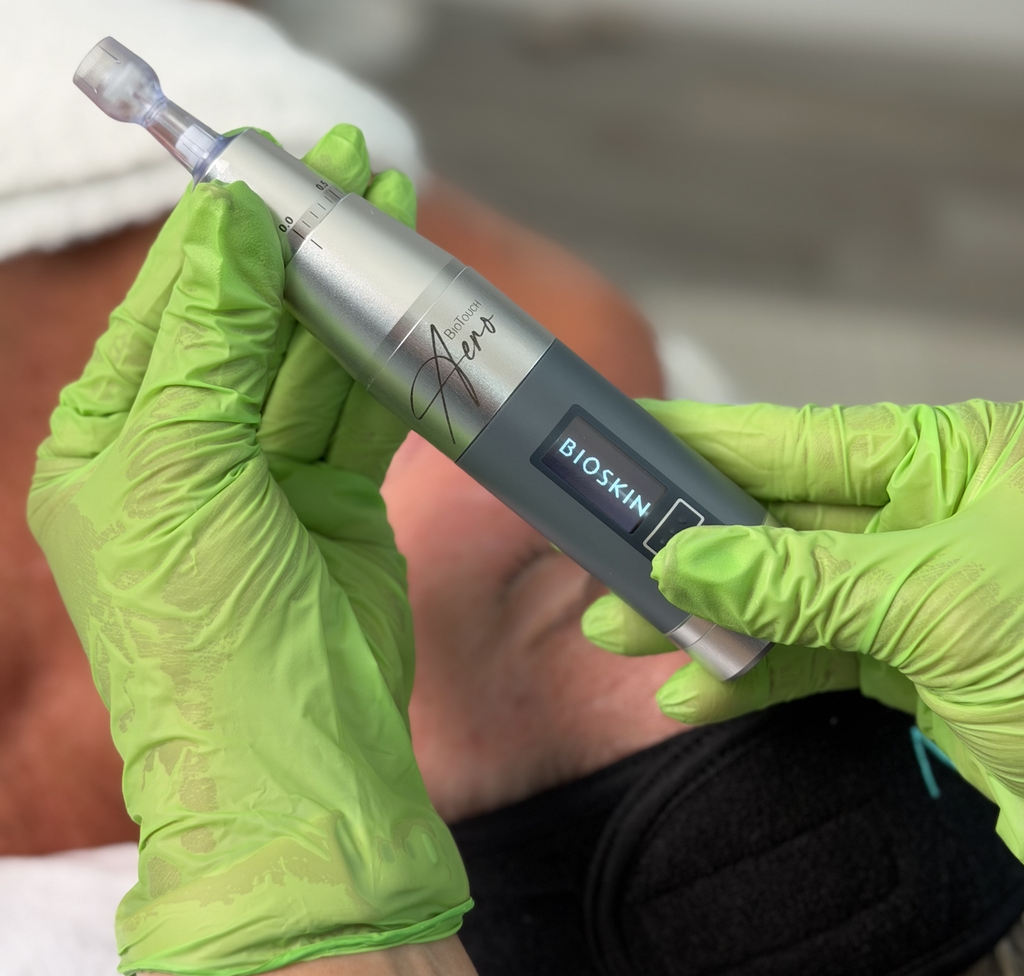
Lucente® Depigmentation Program with the BioTouch Aero™ by Bioskin Aesthetics
Lucente® is a two-phase depigmentation program for melasma and PIH, formulated to act on all four control points of pigmentation: melanin synthesis, melanosome transfer, pigment removal and melanocyte stabilization. In-office, the ampoule is delivered at 0.25–0.5 mm with the BioTouch Aero™, a cordless German-engineered handpiece whose six-needle cartridge, 3.5 mm stroke and class-leading force stability hold a consistent shallow depth without the compensatory pressure that triggers inflammation. A daily home cream maintains control between sessions. Suitable for Fitzpatrick I–VI.
Build the Protocol Around the Problem, Not the Shiniest Device in the Room
There is no universal “brightening facial.”
And that is a good thing.
The client with post-acne discoloration does not necessarily need the same treatment as the client with years of visible photodamage. The dry, mature client with superficial buildup and dullness may respond beautifully to dermaplaning followed by customized botanical care. The client with rough texture and uneven-looking tone may benefit from microdermabrasion integrated with targeted professional products. Another may need controlled chemical exfoliation, while a medically appropriate patient may be better suited for a treatment plan involving microneedling and peel technology.
This is why consultation remains the most sophisticated device in the building. It does not plug into the wall, but it determines what everything that does plug into the wall should be doing.
The opportunity is to stop selling resurfacing simply as resurfacing and brightening simply as brightening. Instead, build professional hyperpigmentation protocols around the actual concerns sitting in front of you: PIH, sun damage, visible discoloration, uneven tone, dullness, congestion, roughness, textural irregularities, fine lines, dehydration, and compromised barrier function.
The Future of Brightening Is Smarter Customization
If there is one theme connecting these protocols, it is that successful correction is becoming increasingly multi-dimensional.
Remove what needs to be removed. Target the pathways that need to be targeted. Deliver ingredients where appropriate. Calm inflammation. Support hydration. Protect the barrier. Recommend home care. Reassess.
Then repeat according to the treatment plan, not according to what happened to be trending on Instagram that morning.
Chemical peels, microdermabrasion, dermaplaning, NanoInfusion and microneedling give today’s professionals an enormous toolbox. The skill is not owning every tool. It is knowing which one makes sense for the skin condition, when to combine modalities and, equally important, when not to.
That is where truly customized professional hyperpigmentation protocols become more than a brightening treatment.
They become skin strategy.