From the minoxidil–finasteride dilemma to precision molecular cosmetics: exploring CosmeRNA and the emerging role of RNA interference in androgenetic alopecia.
Are we still treating hair loss the same way?
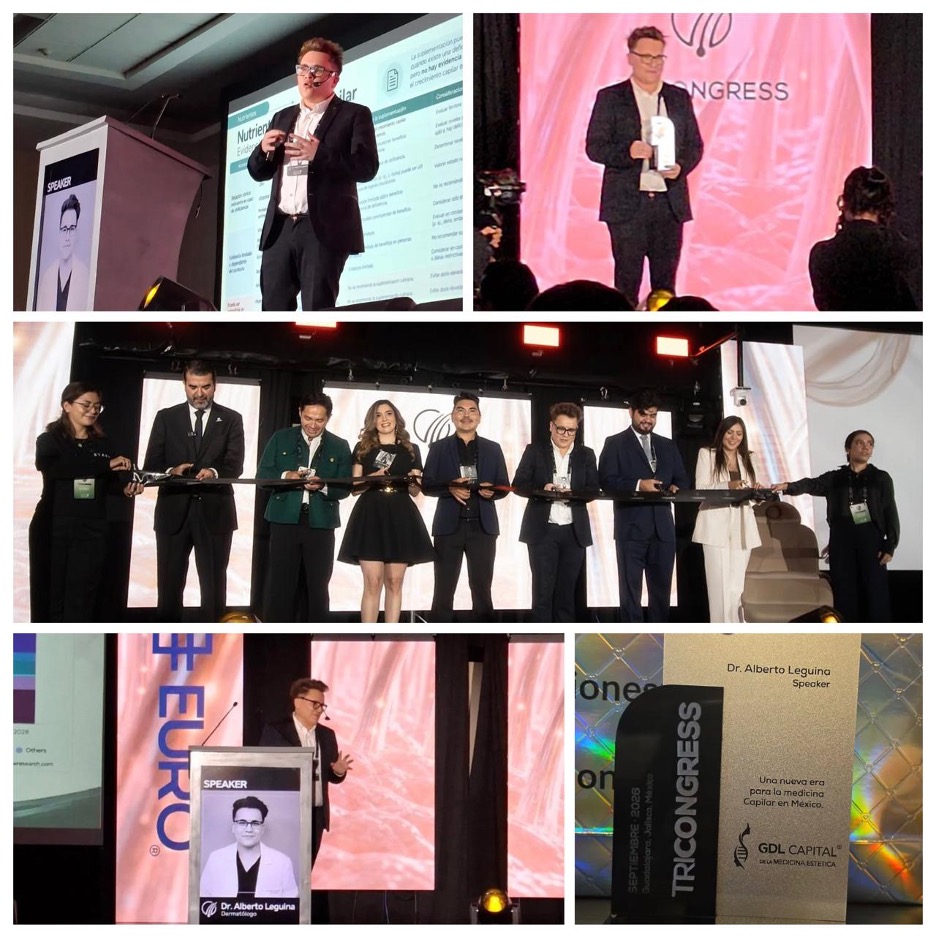
Recently, I had the opportunity to participate in Tricongress in Mexico, where I presented a lecture on evolutive alopecia and discussed the complex biological mechanisms associated with hair ageing and progressive follicular miniaturization.
After two intensive days of lectures, scientific discussions and conversations with colleagues from different countries, I returned home with one persistent thought: despite the remarkable advances in dermatology, biotechnology and regenerative medicine, we remain surprisingly dependent on the same therapeutic foundations for androgenetic alopecia (AGA).
Minoxidil and finasteride. Finasteride and minoxidil. Occasionally dutasteride. Different formulations, different combinations and different administration routes, but essentially the same pharmacological strategies that have dominated clinical practice for decades.
Of course, these treatments work. Finasteride and dutasteride have demonstrated efficacy in appropriately selected patients, while minoxidil remains an essential component of many therapeutic protocols. Nevertheless, their limitations are equally familiar: long-term treatment requirements, variable responses, concerns about adverse effects and, perhaps most importantly, patients who are increasingly reluctant to commit to systemic medication.
But behind these clinical limitations are deeply personal dilemmas that we hear in consultation every day. Consider the patient who understands the established benefits of finasteride, yet hesitates because of concerns about its hormonal mechanism and potential sexual adverse effects. Consider the patient who has used topical minoxidil, consistently but remains disappointed by an insufficient individual response. Neither experience means that these evidence-based therapies have failed as a class; it means that real patients have different needs, tolerances and treatment responses.
Other patients pursue costly courses of scalp mesotherapy, enduring repeated injections and discomfort without experiencing the improvement they had hoped for. Still others undergo hair transplantation, only to discover that transplantation does not necessarily halt the continued miniaturization of their surrounding, non-transplanted hair. In each situation, the concern extends beyond the appearance of hair. Patients are weighing efficacy against long-term commitment, uncertainty, expense, pain and quality of life.
This raised an interesting question: in an era when molecular medicine can selectively regulate the expression of individual genes, why are we still approaching hair restoration primarily by modifying hormonal pathways or stimulating follicular growth?
That question encouraged me to explore emerging technologies beyond conventional pharmacology.
During conversations with my South Korean professional collaborators, I was introduced to an innovative approach developed by the biotechnology company BIONEER: CosmeRNA, a topical cosmetic technology based on RNA interference and designed to reduce androgen receptor expression within hair follicles.
As someone deeply interested in translational medicine, molecular signaling and the relationship between biological mechanisms and clinical outcomes, I found the concept particularly fascinating.
Because this technology does not simply attempt to stimulate hair growth.
It approaches the problem from a different direction: modifying the molecular message that contributes to follicular miniaturization.
And to understand why this matters, we first need to discuss one of the most elegant regulatory mechanisms in molecular biology.

Contribution by Dr. Alberto Leguina
Dr. Alberto Leguina-Ruzzi is a Biologist, Doctor of Medical Sciences, Physician, and Dermatology Specialist with more than a decade of experience across biomedical research, university teaching, clinical practice, and the pharmaceutical industry.
He currently serves as President of the Chilean Chapter of ISWAM (International Seminar and Workshop in Aesthetic Medicine) and has shared his expertise on stages around the globe—including IMCAS, MEIDAN, SOCHIMCE, AIDA, and 5-CC, among other major international congresses.
Throughout his career, Dr. Alberto has led continuing medical education initiatives, offered scientific and technical support to sales teams, and ensured the ethical, accurate, and clinically relevant communication of medical and pharmaceutical innovations.
RNA interference: when biology learns to silence a message
Most of us remember the classical explanation of molecular biology: DNA contains genetic information, RNA carries that information, and proteins execute biological functions.
However, RNA is considerably more sophisticated than a simple messenger.
Over the past decades, researchers have discovered that certain RNA molecules can regulate gene expression, controlling how much of a particular protein is produced without changing the underlying DNA sequence.
One of these mechanisms is known as RNA interference (RNAi).
RNA interference is a naturally occurring cellular process through which small RNA molecules guide the selective suppression of specific messenger RNAs (mRNAs). In simple terms, it allows cells to reduce the production of a particular protein by recognizing and targeting the molecular instructions responsible for its synthesis.
Imagine DNA as a library containing thousands of instruction manuals. Messenger RNA represents a photocopy of one particular instruction, delivered to the cellular machinery responsible for manufacturing proteins.
RNA interference does not destroy the library or rewrite the original manual. Instead, it recognizes a specific photocopy and prevents that instruction from being translated into its corresponding protein.
The result is a reduction in gene expression, commonly described as gene silencing.
Among the different RNA interference mechanisms, small interfering RNA (siRNA) is particularly relevant for therapeutic development.
These short double-stranded RNA molecules can be designed to recognize complementary sequences within a selected messenger RNA. Once inside the cell, the active guide strand associates with the RNA-induced silencing complex (RISC), which identifies and cleaves the targeted messenger RNA.
Consequently, less of the corresponding protein is produced.
The precision of this mechanism is its principal attraction. Instead of broadly inhibiting an entire biochemical pathway, researchers can potentially reduce the expression of a selected molecular target.
Importantly, RNA interference is not genetic editing. It does not alter the DNA sequence, remove genes from the genome or permanently modify the patient’s genetic information.
It regulates gene expression at the RNA level, and its effects are generally transient, although their duration depends on the RNA molecule, delivery technology and cellular environment.
From human physiology to precision medicine
RNA interference is not simply an interesting laboratory phenomenon. It is part of a broader biological system through which cells regulate gene activity, maintain molecular balance and respond to environmental challenges.
Small-RNA-mediated regulatory pathways contribute to developmental processes, cellular differentiation, immune regulation and the maintenance of normal tissue function.
They are also relevant to disease.
Abnormal gene expressions can contribute to numerous pathological conditions, including metabolic disorders, inflammatory diseases, neurodegenerative conditions and cancer.
This has encouraged the development of RNA-based medicines capable of selectively reducing the production of proteins associated with disease.
Indeed, RNA interference has already moved from experimental molecular biology into clinical medicine, with approved siRNA therapeutics for selected systemic diseases.
Nevertheless, an important obstacle remains: delivery.
An RNA molecule may be exceptionally effective inside a laboratory cell culture, but that does not guarantee it can reach its intended biological target in living tissue.
RNA molecules are vulnerable to degradation, cellular membranes represent significant barriers, and conventional delivery systems may trigger unwanted inflammatory responses.
In dermatology, the challenge becomes even more interesting.
How can a relatively large, negatively charged nucleic acid molecule cross the skin barrier and reach the cellular structures responsible for hair follicle regulation?
This is where nanotechnology becomes essential.
CosmeRNA: translating RNA interference into topical hair restoration
BIONEER, a South Korean biotechnology company with expertise in molecular diagnostics and nucleic-acid technologies, developed a delivery platform known as SAMiRNA, an abbreviation for Self-Assembled Micelle inhibitory RNA.
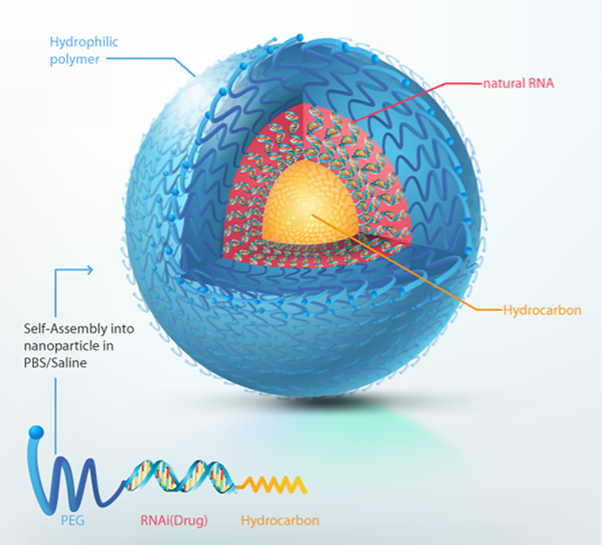
Unlike conventional siRNA delivery approaches, SAMiRNA technology uses specially designed nucleic-acid structures conjugated to hydrophilic and hydrophobic components.
These molecules spontaneously organize into nanoscale micellar structures, generally smaller than 100 nm, without requiring the positively charged lipid carriers frequently used in other nucleic-acid delivery systems.
The technology is particularly interesting because its molecular architecture is designed to address two major challenges simultaneously: delivery into the target tissue and reduction of unwanted innate immune activation.
CosmeRNA applies this technology to androgenetic alopecia through a specific RNA-based ingredient known as SAMiRNA-AR68.
The development process was not arbitrary.
In the foundational research published by Yun and colleagues in Scientific Reports, investigators synthesized and screened 547 candidate SAMiRNA sequences targeting different regions of androgen receptor messenger RNA.
Fourteen candidates demonstrated substantial inhibitory activity, and SAMiRNA-AR68 was ultimately selected for further investigation because of its strong ability to reduce androgen receptor expression.
In experimental human follicular dermal papilla cells, SAMiRNA-AR68 reduced both androgen receptor messenger RNA and receptor protein levels.
Additional follicular experiments demonstrated localization of labelled nanoparticles within follicular structures, including the outer root sheath and dermal papilla region, alongside evidence of androgen receptor downregulation.
This provides an important mechanistic foundation for the technology.
Rather than acting as a conventional growth stimulant, SAMiRNA-AR68 is designed to reduce the production of a receptor directly involved in androgen-mediated follicular miniaturization.
Why the androgen receptor matters more than we sometimes realize
To appreciate the significance of this approach, we need to revisit the pathophysiology of androgenetic alopecia.
In genetically susceptible individuals, dihydrotestosterone (DHT), produced through the conversion of testosterone by 5-alpha-reductase, interacts with androgen receptors expressed in follicular cells, particularly dermal papilla cells.
Activation of the androgen receptor initiates transcriptional responses associated with follicular miniaturization.
These include changes in signaling pathways involving transforming growth factor-beta (TGF-β) and Dickkopf-related protein 1 (DKK-1), both implicated in the regulation of follicular growth and hair cycling.
Over time, susceptible follicles produce progressively thinner, shorter and less pigmented hair shafts, eventually leading to the characteristic reduction in terminal hair density associated with AGA.
Traditional antiandrogenic pharmacology largely focuses on reducing DHT production.
Finasteride inhibits type II 5-alpha-reductase, while dutasteride inhibits both type I and type II isoenzymes, producing more extensive suppression of DHT synthesis.
CosmeRNA introduces a different concept.
Instead of reducing the concentration of the hormonal signal, it attempts to reduce the abundance of the receptor responsible for receiving that signal.
Consider a radio.
Finasteride and dutasteride reduce the strength of the transmission. RNA interference targeting the androgen receptor attempts to reduce the number of receivers capable of detecting it.
The analogy is simplified, but it illustrates the fundamental biological distinction.
By reducing androgen receptor expression within susceptible follicles, SAMiRNA-AR68 may decrease local responsiveness to DHT without requiring systemic suppression of androgen synthesis.
This distinction could be particularly relevant for patients concerned about the systemic hormonal effects of conventional antiandrogenic treatments.
However, the extent to which topical receptor silencing remains confined to the scalp, and whether it translates into fewer systemic adverse effects over many years, still requires further clinical investigation.
For me, this is the most exciting aspect of the technology: we are moving from modifying the hormonal environment towards selectively regulating the cellular response to that environment.
From molecular experiments to clinical evidence
A beautiful molecular mechanism is not enough to establish clinical relevance.
In aesthetic and regenerative medicine, we have repeatedly encountered technologies with impressive laboratory results that fail to produce meaningful improvements in patients.
Therefore, the important question is straightforward: does reducing androgen receptor expression actually improve hair density?
The available clinical research provides encouraging preliminary evidence.
The foundational study published in Scientific Reports evaluated SAMiRNA-AR68 through preclinical experiments and two randomized, double-blind clinical investigations involving Korean patients with androgenetic alopecia.
The investigators initially evaluated a lower concentration of 0.5 mg/mL applied three times weekly over 24 weeks.

The treatment produced an improvement in total hair counts, although the magnitude was relatively modest.
A subsequent study evaluated a higher concentration of 5 mg/mL administered only once weekly.
This higher-concentration protocol produced more substantial improvements.
Among the 22 active-treatment participants who completed the higher-dose study, mean total hair density increased from approximately 182.2 to 189.9 hairs/cm² after 24 weeks.
This represented an increase of approximately 7.7 hairs/cm², corresponding to a 4.4% improvement from baseline.
The placebo group showed no comparable increase in mean hair density.
The results were particularly interesting because the once-weekly higher-concentration formulation produced a greater numerical improvement than the lower-concentration formulation administered three times weekly.
However, these were separate treatment cohorts, so the findings should not be interpreted as definitive evidence that frequency alone determined the difference.
Nevertheless, they support the feasibility of a less frequent topical regimen.
Beyond Asia: clinical evaluation in European patients
An important question when evaluating hair restoration technologies is whether results can be reproduced across different populations.
Androgenetic alopecia exhibits substantial variability in prevalence, clinical presentation and progression across populations, making broader clinical evaluation valuable.
In December 2025, Han and colleagues published a study investigating CosmeRNA-ARI in European patients with androgenetic alopecia.
The research, conducted in Germany, initially enrolled 120 participants in a randomized, double-blind, placebo-controlled investigation evaluating different application intervals over six months.
The final efficacy analysis, however, included a considerably smaller subset of 41 participants: 21 receiving CosmeRNA-ARI and 20 receiving the control formulation.
This reduction resulted from imaging alignment difficulties and exclusions related to measurement variability, an important methodological limitation when interpreting the results.
Nevertheless, the investigators reported several encouraging findings.
Hair shedding decreased significantly in the active-treatment group, with mean counts declining from 19.7 at baseline to 9.5 at week 16 and 8.5 at week 24.
This represented an approximate 57% reduction from baseline by the end of the observation period.
Terminal hair density also improved, increasing from approximately 99.7 to 127.8 hairs/cm² after 24 weeks, with statistically significant differences reported against the control group.
These results suggest that the biological activity observed in earlier Korean investigations may also translate into measurable clinical improvements in European patients.
However, the substantial reduction in the analyzed sample, the relatively short observation period and the absence of larger independent confirmatory trials mean that the magnitude of benefit should be interpreted cautiously.
Studying is encouraging, but it is not yet definitive.
From a translational perspective, this is precisely where further research becomes valuable: establishing which patients respond best, how reproducible the effects are and whether treatment benefits can be sustained over longer periods.


CosmeRNA versus finasteride and dutasteride: a different therapeutic philosophy
Whenever a new approach to androgenetic alopecia emerges, comparisons with finasteride and dutasteride are inevitable.
However, the most interesting comparison is not necessarily which product produces the greatest number of additional hairs over six months.
It is how each technology intervenes in the disease process.
Finasteride and dutasteride act upstream by inhibiting DHT synthesis. CosmeRNA acts further downstream by reducing the expression of the androgen receptor itself.
This creates several theoretical advantages.
First, local receptor modulation may offer a strategy for reducing follicular androgen signaling without substantially changing circulating androgen concentrations.
Second, the mechanism does not depend on inhibiting 5-alpha-reductase activity, making it biologically distinct from conventional hormonal therapies.
Third, the once-weekly application protocol may improve convenience for individuals who struggle with daily treatment adherence.
Finally, its topical, non-injectable administration offers a potentially attractive option for patients who prefer to avoid oral medication or invasive scalp procedures.
The original Korean study discussed hair-density improvements that were numerically comparable to results reported in selected historical finasteride studies.
However, this was an indirect comparison rather than a randomized head-to-head investigation.
At present, there is insufficient evidence to conclude that CosmeRNA is more effective than oral finasteride or dutasteride, or that it has a definitively superior long-term safety profile.
This does not diminish its importance.
On the contrary, its relevance lies in introducing a genuinely different molecular mechanism into a field that has relied on relatively few pharmacological pathways for decades.
Rather than immediately replacing established treatments, RNA-based topical technologies may eventually expand the options available for personalized hair restoration.
Practical application: precision technology without injections
One of the most appealing characteristics of CosmeRNA is the simplicity of its administration.
Despite its sophisticated molecular mechanism, the product is formulated as a topical scalp application rather than an injectable treatment.
According to BIONEER’s professional application materials, the suggested protocol involves approximately 1 mL per session, corresponding to one ampoule.
Although BIONEER’s professional materials suggest a minimum of eight to twelve weeks of continued application, the principal published clinical efficacy studies assessed outcomes over approximately 24 weeks.
Consequently, patients should not expect dramatic restoration after only a few applications.
A reasonable monitoring approach includes standardized baseline photographs, trichoscopic assessment and follow-up evaluations around three and six months.
The once-weekly regimen is attractive, but consistency remains essential.
There is also an important distinction between a convenient maintenance protocol and a curative intervention. Androgenetic alopecia is progressive, and the long-term persistence of CosmeRNA’s effects after discontinuation has not yet been adequately established.
Biological safety: can RNA-based cosmetics be well tolerated?
Whenever patients hear the words RNA, gene expression or molecular silencing, concerns about safety are understandable.
The first point worth clarifying is that RNA interference does not introduce permanent modifications into human DNA.
SAMiRNA-AR68 is designed to interact with messenger RNA and reduce androgen receptor protein synthesis, rather than modify the genome.
The second consideration is immunological compatibility.
Conventional RNA delivery systems can activate innate immune pathways, including receptors involved in recognizing foreign nucleic acids.
BIONEER’s SAMiRNA platform was designed to minimize these interactions through its molecular structure and nanoparticle characteristics.
In the foundational preclinical investigations, SAMiRNA-AR68 did not produce detectable cytotoxicity in the tested human follicular dermal papilla cells or HaCaT keratinocytes at concentrations up to 20 µM.
Furthermore, exposure of human peripheral blood mononuclear cells to concentrations up to 10 µM did not induce measurable increases in the evaluated inflammatory cytokines, including IL-1β, IL-6, interferon-gamma and TNF-α.
These findings are important because they suggest that technology can achieve its intended molecular activity without necessarily triggering the inflammatory responses associated with some nucleic-acid formulations.
Clinical investigations have also reported generally favorable local tolerability.
In the Korean higher-dose study, one participant experienced an adverse reaction that investigators considered unrelated to the test substance, while the remaining participants did not demonstrate treatment-related adverse effects during the observation period.
The European investigation likewise reported no pathological scalp changes attributable to treatment.
Nevertheless, several questions remain relevant for future research, including systemic exposure, off-target gene silencing, long-term immunological responses and safety with prolonged or combined treatment.
The absence of significant adverse effects in relatively small, short-duration studies should not be confused with proof of complete safety in all populations.
Similarly, specific safety considerations remain necessary for pregnancy, breastfeeding and individuals with underlying scalp disorders, particularly where adequate clinical evidence is unavailable.
In molecular dermatology, precision is promising, but long-term surveillance remains indispensable.
Beyond hair growth: the future of molecular cosmetics
Perhaps the most fascinating implication of CosmeRNA is not limited to androgenetic alopecia.
It is the possibility of applying sequence-specific molecular regulation through topical cosmetic platforms.
For decades, cosmetic dermatology has largely focused on delivering active ingredients that stimulate, inhibit or support existing biological pathways.
Retinoids regulate cellular differentiation. Antioxidants help counter oxidative stress. Peptides influence signaling pathways. Growth-factor-related technologies attempt to stimulate tissue responses.
RNA interference introduces another dimension.
Instead of acting exclusively on proteins, receptors or enzymes that already exist, it may become possible to regulate the production of selected proteins at the messenger RNA level.
This opens intriguing research possibilities for conditions involving abnormal inflammatory signaling, sebaceous activity, pigmentation pathways and aspects of cutaneous ageing.
Of course, each proposed application would require its own delivery validation, target-specific safety assessment and clinical efficacy studies.
The success of one RNA-based topical platform cannot automatically be extrapolated to unrelated dermatological indications.
Nevertheless, the broader concept is scientifically compelling.
We are witnessing increasing convergence between biotechnology, nanomedicine, molecular dermatology and cosmetic science.
In this emerging environment, the distinction between traditional cosmetics and biologically sophisticated topical technologies may become increasingly interesting from both scientific and regulatory perspectives.
For physicians and aesthetic practitioners, this evolution also creates a responsibility.
We must understand not only what a product claims to achieve, but how its molecular mechanism operates, which clinical outcomes have actually been demonstrated and where the boundaries of the evidence remain.
Innovation should never replace critical thinking.
It should encourage it.
A new chapter in hair restoration
Returning to my experience at Tricongress Mexico, I now see that the question I brought home was perhaps more important than the answer I initially expected.
The challenge is not that minoxidil, finasteride or dutasteride have become obsolete. They remain valuable and evidence-based options in the management of androgenetic alopecia.
The challenge is that we need additional biological strategies for patients whose expectations, preferences or clinical circumstances are not fully addressed by conventional treatments.
CosmeRNA represents an interesting example of this transition.
By using SAMiRNA technology to reduce androgen receptor expression, BIONEER has introduced a molecularly targeted approach that deserves attention from the dermatological and aesthetic medicine communities.
Its published clinical evidence remains preliminary, and larger independent comparative studies will be necessary before its precise place in treatment algorithms can be established.
However, the underlying concept is both elegant and provocative: perhaps the next generation of hair restoration will depend not only on stimulating follicles or suppressing hormones, but on selectively regulating the molecular instructions that influence follicular behavior.
And perhaps this is where the future of non-injectable, precision-based cosmetic dermatology truly begins.
I look forward to exploring this technology further at the upcoming ISWAM Congress in Indonesia, where I will be presenting CosmeRNA and the emerging role of RNA-based approaches as part of the scientific module dedicated to innovation in hair restoration.
After years of discussing how to stimulate hair growth, it may finally be time to discuss how to change the molecular conversation taking place inside the hair follicle.
And that is a conversation worth having.
- Yun SI, Lee SK, Goh EA, et al. Weekly treatment with SAMiRNA targeting the androgen receptor ameliorates androgenetic alopecia. Scientific Reports. 2022;12:1607. https://doi.org/10.1038/s41598-022-05544-w
- Han J, Choi W, Lim SS, et al. Efficacy of Cosmerna ARI in Improving Androgenetic Alopecia in Europeans: A Double-Blind, Randomized, Placebo-Controlled Clinical Trial over 6 Months. Clinical and Experimental Dermatology and Therapies. 2025;10:244. https://doi.org/10.29011/2575-8268.100244
- Vañó-Galván S, Park YJ. Current Landscape and Emerging Therapies in Hair Loss Treatment for Androgenetic Alopecia. European Medical Journal Dermatology. 2024;12(1):95–102. https://doi.org/10.33590/emjdermatol/LHUC3892