I love technology, as in LOVE technology! Tempt me with a new acne device, an interesting delivery system, and a stack of clinical data, and I will gladly nerd out for hours. I’ve spent the majority of my career in treatment rooms, focused on education and acne, and some of the advances we’re seeing in aesthetic technology are beyond exciting.
When we’re considering acne clients, I think our enthusiasm for what we can do sometimes gets ahead of the more important question: Is this client’s skin ready for this right now?
Acne isn’t simply a collection of pimples waiting to be zapped, suctioned, smoothed, or illuminated. It is a complex, multifactorial disease of the pilosebaceous unit involving follicular hyperkeratinization, sebum, Cutibacterium acnes, inflammation, and a host of individual factors that influence how that acne behaves and how it responds.
We have many technologies now available that are capable of interacting with pieces of that biology. Light-based therapies can influence inflammatory acne through mechanisms that include photoactivation of porphyrins produced by C. acnes. Other energy-based technologies may affect sebaceous gland activity, inflammation, or tissue remodeling. A 2024 systematic review examining energy-based devices and sebum production found significant reductions in sebum with several modalities, particularly photodynamic therapy and radiofrequency. More recent reviews continue to support procedural therapies as potentially useful adjuncts in acne management. The operative word, at least from my perspective, is adjuncts.
Incorporating technology with an acne device in the treatment room doesn’t replace good acne management and homecare. It makes good clinical decision-making and understanding the nuances of acne even more important.
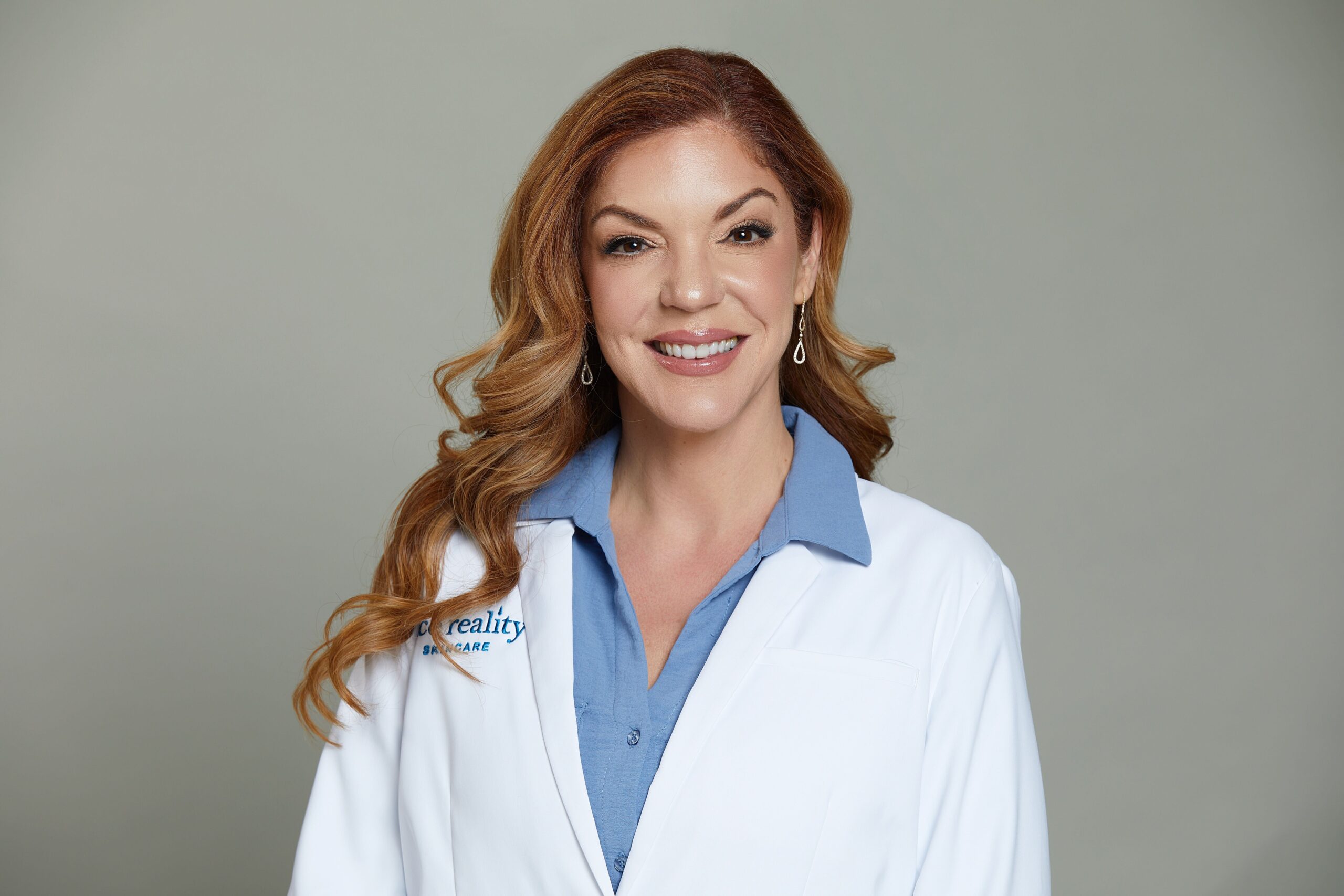
Contribution by Stephanie Criscione, Director of Education & Clinic, Face Reality Skincare
For over 25 years, Stephanie Criscione has dedicated her career to one mission: helping clients achieve healthier skin and greater confidence. As a licensed esthetician, certified functional medicine health coach, medical esthetician, and makeup artist specializing in camouflage techniques, she brings a holistic, results-driven approach to that merges advanced esthetics with whole-body wellness.
As a practicing esthetician and small business owner, she developed and administered tailored esthetics treatments based on a deep understanding of the chemistry and biological underpinnings of healthy skin. A lifelong learner, it was a natural evolution to harness her passion as an educator at San Francisco Institute of Esthetics and Cosmetology (SFIEC) where she developed an advanced esthetics curriculum and trained hundreds of new estheticians in esthetic techniques and sales prowess. She has since worked in results-driven locations like SenSpa and Skin MedSpa.
Stephanie Criscione is the Director of Education and Clinic at Face Reality Skincare.
Acne Has A “Right Now”
One of the biggest lessons working with acne clients over the years has taught me is that you have to treat the skin that is sitting in front of you today, not the skin you want it to become. We all love a true skin transformation, and working with acne clients gives so many opportunities to improve skin health and confidence. We want to clear the acne, fade the pigmentation, smooth the texture, treat the scars, improve the pores, and maybe sneak in a little rejuvenation when the time is right.
But efficacious acne treatments work better when we don’t ask the skin to accomplish everything all at once. If a client is highly inflamed, experiencing active breakouts, dehydrated, or struggling with barrier disruption, the priority will be very different than it will be six months later when that same client is clear, stable, and asking what they can do to address post-secondary concerns. This is the critical point where timing becomes part of the technology. Not every modality is appropriate for every lesion, every skin type, or every stage of the acne journey. Even within light and laser-based treatments, different wavelengths and technologies interact with different biological targets. The American Academy of Dermatology notes that visible light, for example, can be useful for inflammatory pimples but does not address blackheads, whiteheads, cysts and nodules in the same way. Research also tells us that lasers and light treatments rarely clear acne completely when used alone. So instead of asking, “Is this device good for acne?” I think we should be asking, “What part of acne biology am I trying to influence?”
More Treatment Isn’t Always More Progress
There’s another piece of this conversation that deserves far more attention: inflammation. When acne is already creating an inflammatory environment, repeatedly adding aggressive interventions can become counterproductive. We have to consider what else the client is using at home, what procedures they may be doing, how well their barrier is functioning, and how much cumulative stimulation we’re going to create. This becomes particularly important when treating clients prone to post-inflammatory hyperpigmentation.
Read Stephanie’s December 2025 L+A article, “Longevity Starts With Clarity: Reducing Inflammation For Skin That Lasts A Lifetime.”
Here’s an excerpt from that article:
“Inflammation: The Super Sneaky Saboteur”
Inflammation doesn’t always equal betrayal. It’s also your immune system’s cheerleader, rushing in when you cut yourself, get too much UV exposure, and need to heal quickly. The problems occur when your skin stays in fight mode instead of healing mode. The term used to describe this phenomenon is inflammaging: chronic inflammation linked to aging. And although I wish I could take credit for this catchy phrase, alas, it’s an actual scientific term. Read the full article.
Clearing First Can Actually Give Us More Options Later
This is probably where my personal philosophy around acne has evolved the most. I used to think about acne treatment as the period when we should be doing the most. Due to acne’s ever-evolving complex nature, I now often think the opposite. Sometimes the smartest thing we can do during active clearing is to create consistency. Reduce the variables contributing to breakouts, support the barrier, control inflammation, and use evidence-based acne therapies appropriately. Monitor how the skin responds and give the client a routine they can follow consistently enough for us to understand what is working and what’s not. Once the skin is stable, the treatment room gets really exciting.
We can now address lingering erythema, pigmentation, textural changes, and scarring with a completely different set of goals. Technology that may have been unnecessary or simply not our first priority during active acne can become incredibly valuable in the next phase of the skin health journey.
The Best Acne Device May Be Clinical Judgment
We’re working in an industry where technology is going to continue getting better, more sophisticated, and, thankfully, much more inclusive. I’m here for all of it! But I don’t think the future of aesthetics is simply having more tools. I think it is becoming much better at knowing what they do, and when to use them.
Before bringing a device into an acne protocol, I want to know what I’m specifically targeting. Is it active inflammatory lesions? Sebum? Pigment? Scarring? What is the condition of the barrier? What else is this client doing? What is their risk for pigment alteration? And quite possibly the most overlooked question of all: would this client actually be better served if I waited?
Technology can absolutely have a place in the acne-clearing journey. Research continues to show promising applications for light, laser, photodynamic, and other energy-based modalities, and I suspect we are only scratching the surface of what some of these technologies may eventually allow us to do. But a device should never become the strategy simply because it’s available or has a higher treatment cost.
Sometimes technology accelerates progress, and sometimes it addresses something skincare alone cannot. Sometimes it’s the perfect bridge between clearing acne and treating what acne leaves behind. And then other times, the smartest treatment decision we can make is to leave the machine turned off, for now!